Cheese propaganda from the 1940s.
The Cheesy Crusade: Unpacking America’s WWII Cheese Propaganda Campaigns
Introduction
The 1940s were a pivotal decade marked by World War II, rationing, and creative government efforts to sustain morale and resources on the home front. Among the most curious—and delicious—campaigns was the U.S. government’s push to get Americans to eat more cheese. But this wasn’t just about dairy sales; it was a calculated mix of patriotism, propaganda, and agricultural necessity. Here’s how “cheese propaganda” shaped diets, industries, and even cultural attitudes during and after the war.
Why Cheese? The Dairy Dilemma of WWII
In the early 1940s, the U.S. faced a surplus of milk due to wartime disruptions in trade and supply chains. Butter and cream were in high demand for troops overseas, leaving domestic dairies with excess milk. Simultaneously, metal rationing limited the production of tin cans used for evaporated or condensed milk. Enter cheese: a shelf-stable, protein-rich food that could be made from surplus milk, preserved without metal packaging, and transported efficiently to soldiers and civilians alike.
To tackle the dairy glut, the War Foods Administration and dairy lobbyists launched campaigns framing cheese as not just a snack, but a patriotic duty.
The Machinery of Cheese Propaganda
The U.S. government teamed up with industry groups like the National Dairy Council and the Dairy Industry Committee to bombard the public with pro-cheese messaging. Tactics included:
-
“Cheese for Victory” Slogans
Posters and ads urged housewives to serve cheese as a protein substitute for rationed meats. One iconic tagline declared: “Cheese Cuts Food Needs—Make 2 Ounces Do the Work of 1 Pound of Meat!” -
Recipe Propaganda
Pamphlets, radio shows, and even cookbooks taught Americans to stretch meals with cheese. Recipes like “Victory Macaroni and Cheese,” “Cheese Loaves,” and cheese-stuffed casseroles became staples—many later immortalized in post-war comfort food culture. -
Celebrity Endorsements
Hollywood stars like Mickey Rooney and government-approved cartoon mascots (e.g., “Cheese Charlie”) extolled cheese’s virtues in magazines and newsreels. -
School Programs
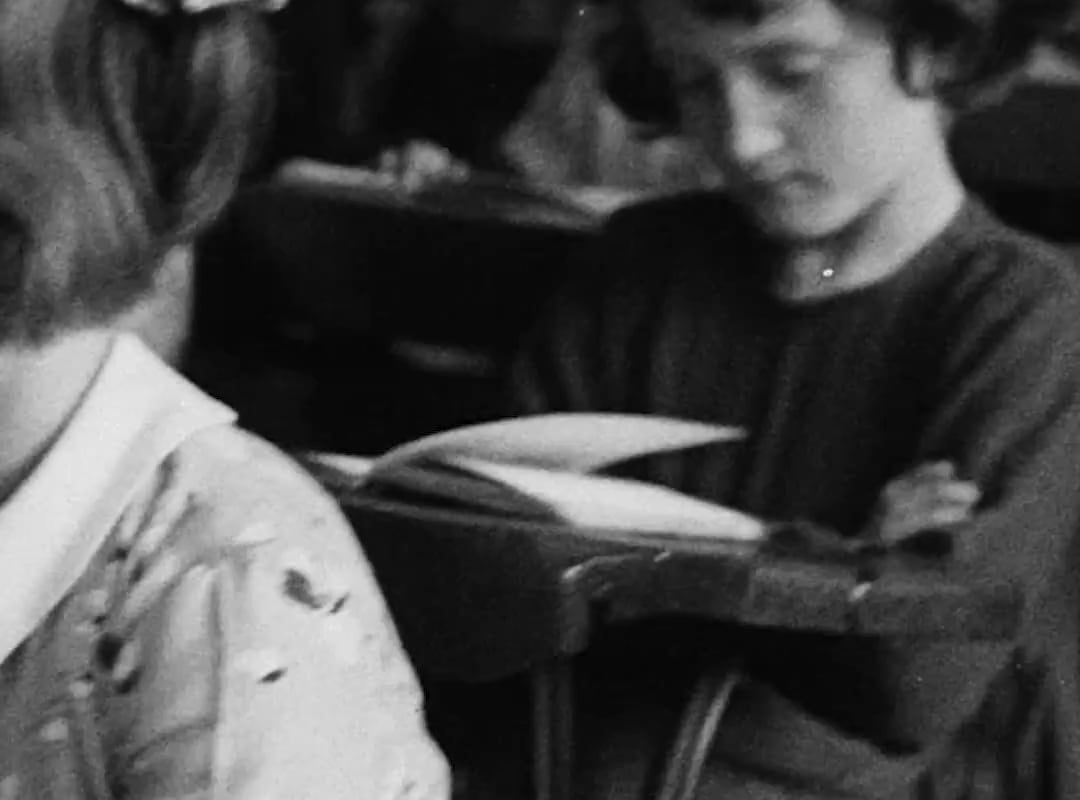
Children were targeted too, with school lunches incorporating cheese-heavy dishes, often using government-distributed “processed cheese” (a.k.a. “government cheese”).
The Birth of Processed Cheese
The 1940s cheese boom wasn’t just about quantity—it revolutionized how cheese was made. To extend shelf life and simplify distribution, manufacturers like Kraft mastered processed cheese: a blend of natural cheeses emulsified with additives. This innovation led to the rise of shelf-stable products like Kraft Singles and canned Cheez Whiz, which dominated post-war kitchens.
Critics called it “plastic cheese,” but the wartime public embraced it. By 1944, U.S. cheese consumption had doubled from pre-war levels, with processed cheese accounting for 40% of sales.
Legacy: How Cheese Propaganda Shaped Modern Diets
- Comfort Food Culture: Dishes like macaroni and cheese transitioned from wartime desperation to nostalgic classics.
- Government Cheese Programs: Surplus cheese distribution continued post-war, culminating in the 1980s Reagan-era “government cheese” welfare initiative.
- Industrial Dairy Dominance: The campaign cemented processed cheese as a staple, fueling giants like Kraft and shaping American palates for generations.
Ironically, today’s artisanal cheese movement rebels against this very legacy—reviving traditional methods the 1940s propaganda buried.
Key Takeaways
- Cheese propaganda wasn’t just advertising—it was economic strategy meeting wartime necessity.
- Processed cheese owes its ubiquity to WWII-era innovation and marketing.
- The campaign exemplifies how governments can reshape cultural habits through food.
Conclusion: A Slice of History
Next time you melt cheese on a sandwich or bake macaroni and cheese, remember: that gooey goodness carries a legacy of ingenuity, patriotism, and clever propaganda. The 1940s cheese crusade shows how food isn’t just sustenance—it’s a tool of persuasion, adaptation, and resilience in times of crisis.
Keywords for SEO:
1940s cheese propaganda, WWII food rationing, government cheese history, processed cheese origin, Kraft wartime campaigns, patriotic eating WW2, dairy industry history, vintage food propaganda.
Want to dive deeper? Explore digitized 1940s recipe pamphlets at the National Archives or the Smithsonian’s Food History projects!