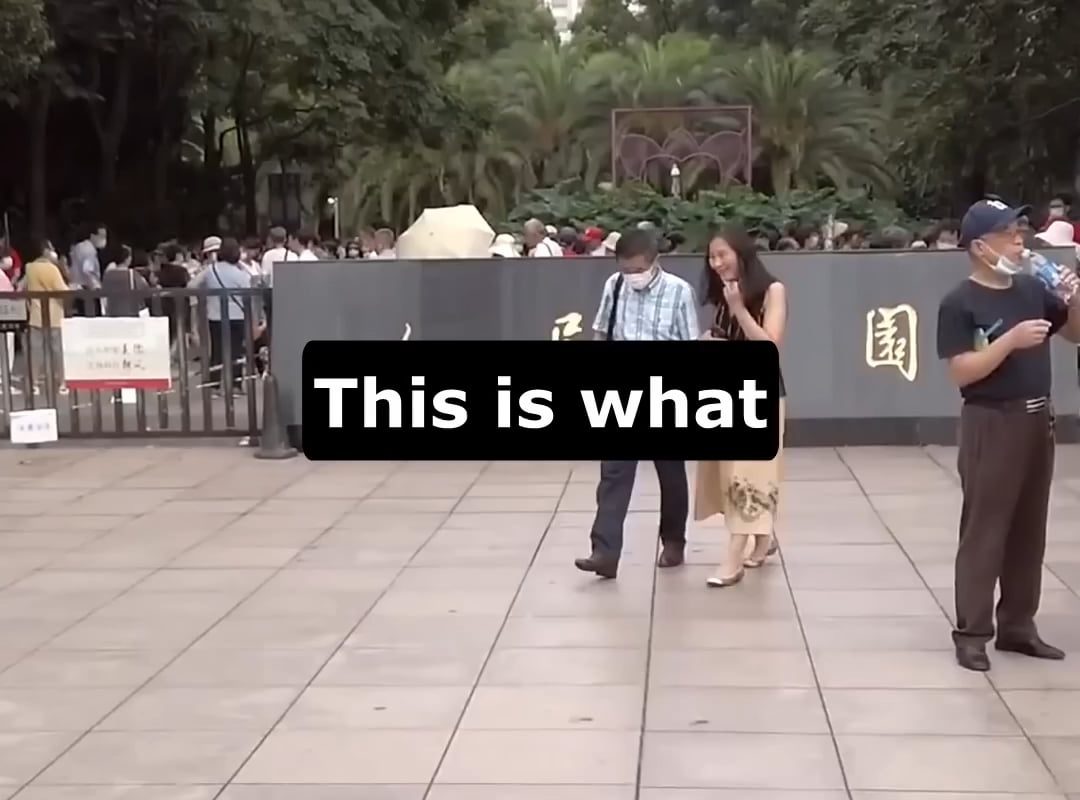
China has Marriage Markets, where anyone can go to find a husband and wife.
Title: Inside China’s Marriage Markets: Where Parents Hunt for Husbands and Wives
Meta Description: Discover China’s unique matchmaking tradition—marriage markets where parents barter over résumés, zodiac signs, and property listings to find spouses for their unmarried children.
Introduction: What Are China’s Marriage Markets?
Imagine a bustling open-air marketplace—but instead of fresh produce or souvenirs, parents crowd around rows of umbrellas and bulletin boards advertising their adult children’s age, income, education, and zodiac signs. Welcome to China’s marriage markets, a centuries-old tradition reimagined for the modern age. This fascinating phenomenon combines matchmaking rituals with high-stakes negotiation in parks across cities like Shanghai, Beijing, and Guangzhou.
For travelers, sociologists, or the romantically curious, these markets offer a window into China’s cultural priorities—family duty, social status, and the race against China’s “leftover” singles stigma. In this article, we dive into how these markets work, why they thrive, and what they reveal about love and marriage in modern China.
The Mechanics of a Marriage Market: How Do They Work?
At weekend gatherings in parks, parents arrive armed with homemade flyers listing their child’s vital stats. Think of it as a real-life dating profile—except handled by intermediaries. Key details include:
- Demographics: Age, height, job, salary, education.
- Property Ownership: Apartments or cars (a major bargaining chip).
- Hukou Status: A coveted urban residency permit.
- Zodiac Compatibility: Birth year and astrological alignment matter deeply.
Parents network aggressively, bargaining like stock traders to secure matches for offspring often too busy—or unwilling—to attend. “Brokers” sometimes charge fees to facilitate connections.
Why Do Marriage Markets Exist in Modern China?
1. Cultural Pressures and “Leftover” Singles
China’s term sheng nu (“leftover women”) and sheng nan (“leftover men”) pressures singles (women over 27, men over 30) to marry. With rising career ambitions and individualism clashing with Confucian family values, parents step in to “help.”
2. Gender Imbalance
The aftermath of China’s One-Child Policy and son preference has created a surplus of 30+ million unmarried men. Competition is fierce, pushing parents to aggressively market their sons.
3. The Practicality of Romance
In a society where marriage is seen as a socioeconomic union, parents prioritize financial stability over chemistry. Love, many argue, can develop later.
Famous Marriage Markets to Visit
- Shanghai’s People’s Park: The largest and most iconic, with hundreds of parents congregating every weekend.
- Beijing’s Zhongshan Park: A quieter but equally transactional scene.
- Guangzhou’s Tianhe Park: Reflects southern China’s pragmatic approach.
Pro Tip for Tourists: Ask before photographing—parents may see it as intrusive!
Criticisms and Controversies
While pragmatic, marriage markets face backlash for reinforcing materialism, sexism, and privacy invasions. Singles complain their parents misrepresent them or pressure them into loveless unions. Others critique the “checklist” approach:
- “No shorter than 175cm.”
- “Must own property in Shanghai.”
- “Zodiac signs Tiger and Rabbit incompatible.”
Younger generations increasingly turn to apps like Tantan or blind dates to balance tradition with autonomy.
The Future of Marriage Markets
Despite China’s skyrocketing divorce rates and declining marriages, these markets persist—but adapt. Tech-savvy brokers now use WeChat groups and QR codes. Millennials also repurpose markets for satire or activism, posting humorous “ads” to protest societal pressures.
Yet, as long as filial piety and marriage remain cultural imperatives, parents will keep hustling in parks to find their children a “suitable” spouse.
Key Takeaways
- Marriage markets blend tradition with modern matchmaking for China’s busy singles.
- Parents dominate the process, prioritizing economics and status over romance.
- Zodiac signs, property ownership, and income are non-negotiable criteria.
- Markets face criticism but remain resilient in urban centers.
FAQs About China’s Marriage Markets
Q: Can foreigners participate?
A: Rarely. Parents usually seek local matches due to cultural and linguistic barriers.
Q: How successful are these markets?
A: Success rates are low—some report under 5%—but they offer parents a sense of control.
Q: Are young Chinese embracing the tradition?
A: Many see it as outdated but humor their parents. Others leverage dating apps and matchmaking hybrids.
Conclusion: Love, Economics, and the Human Billboard
China’s marriage markets reveal a society in flux—caught between millennia-old traditions and rapid modernization. They’re not just quirky tourist attractions but poignant symbols of parental love, anxiety, and the relentless pursuit of stability.
Whether bargaining over a child’s résumé or debating zodiac compatibility, these markets prove that in China, marriage isn’t just a union of hearts—it’s a carefully negotiated contract.
Explore Further: Search for documentaries like People’s Park (2012) or visit Shanghai’s iconic market for an unforgettable glimpse into China’s quest for matrimony.
Optimized Keywords: China marriage markets, Chinese matchmaking tradition, Shanghai People’s Park, leftover women China, Chinese zodiac matchmaking, marriage pressure in Asia, Chinese dating culture, sheng nu.
Note: For SEO strength, embed high-quality images of marriage market flyers, park scenes, and parent interactions. Internal links to articles on Chinese wedding traditions or dating apps boost engagement.