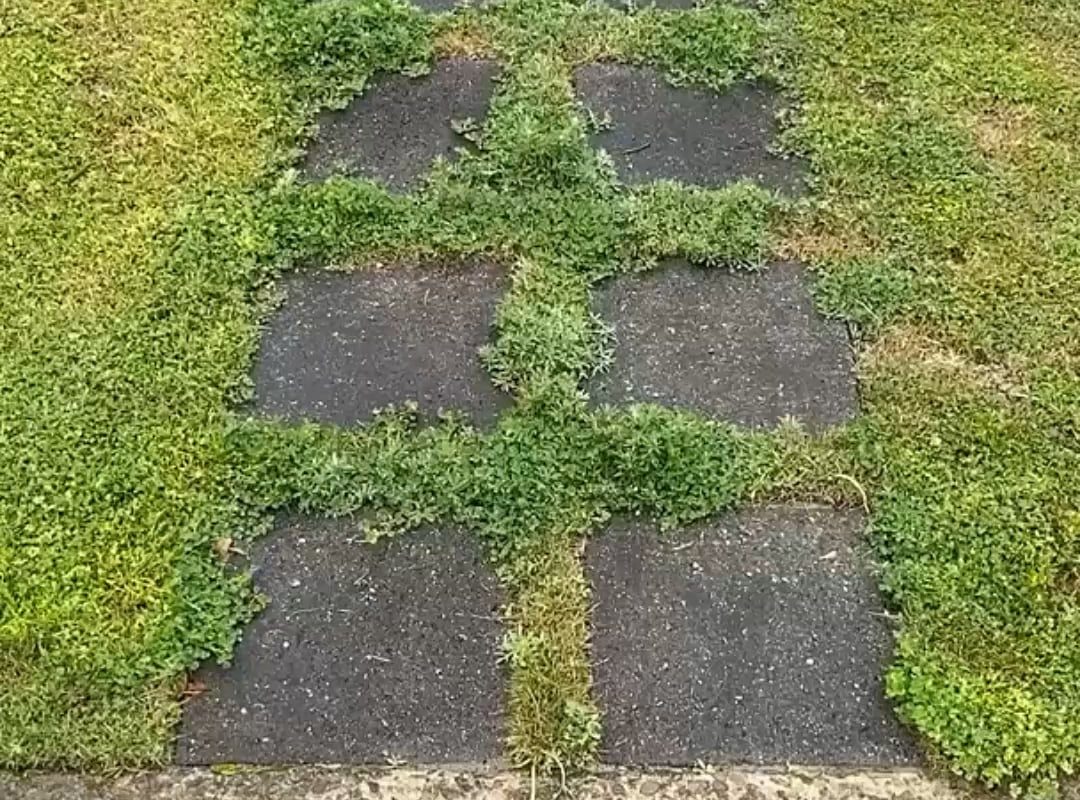
Cleaning up unruly and overgrown grass with an edger
Title: Transform Your Lawn: How to Clean Up Unruly & Overgrown Grass with an Edger
Introduction
An unruly, overgrown lawn can turn your yard into an eyesore and disrupt your home’s curb appeal. When grass spills over sidewalks, invades flower beds, or blends messily into driveways, it’s time to take action. While mowing tackles height, lawn edgers are the secret weapon for creating crisp, defined lines that give your landscape a polished look. In this guide, we’ll break down how to strategically use an edger to tame overgrown grass, restore order, and elevate your lawn’s appearance—and health!
Why Overgrown Grass Needs Edging
Uncontrolled grass isn’t just an aesthetic issue—it can cause long-term problems:
- Encroachment: Grass roots spread into unintended areas, damaging hardscapes like pavers or retaining walls.
- Weed Havens: Thick edges trap moisture and debris, creating ideal conditions for weeds.
- Safety Hazards: Sprawling grass obscures walkways or steps, increasing tripping risks.
Edging solves these issues by:
- Creating clean barriers to control growth.
- Improving drainage around paved surfaces.
- Enhancing the visual “frame” of your lawn.
Choosing the Right Edger for the Job
Not all edgers are equal. Match the tool to your lawn’s needs:
- Manual Edgers (Half-Moon Edger): Ideal for small yards or precise touch-ups. Requires physical effort but offers fine control.
- Electric Edgers (Corded/Cordless): Quieter and eco-friendly. Great for medium-sized lawns with light to moderate overgrowth.
- Gas-Powered Edgers: Heavy-duty power for large properties or stubborn, thick grass.
💡 Pro Tip: For severe overgrowth, opt for a rotary edger with a deep-cutting blade to slice through roots and dense turf.
Step-by-Step: Taming Overgrown Grass with an Edger
1. Prep Your Lawn
- Mow First: Cut grass to a medium height (2–3 inches) to expose edges and avoid clogging the edger.
- Clear Debris: Remove rocks, sticks, and toys to prevent blade damage.
- Mark Your Lines: Use a garden hose or spray paint to outline curves (e.g., garden beds) or follow existing hardscape edges.
2. Set Up Your Edger
- Adjust Depth: For overgrowth, set the blade to cut 1–2 inches deep to sever roots below the surface.
- Practice Safety: Wear gloves, goggles, and closed-toe shoes.
3. Edge Strategically
- Slow & Steady: Start at a corner and guide the edger away from your body along your marked line.
- Tackle Tough Spots: For deep-rooted grass, make multiple shallow passes rather than forcing the blade.
- Pull Back Weeds: Use a rake to lift and clear cut grass/weeds immediately after edging.
4. Finish Like a Pro
- Define edges further by trenching: Scoop out soil along the cut line to create a mini-moat that deters regrowth.
- Apply Mulch or Borders: Add mulch to garden beds or install pavers/plastic edging for a permanent barrier.
Post-Edging Lawn Care Tips
- Water Moderately: Avoid overwatering newly edged areas to prevent soil erosion.
- Maintain Regularly: Edge every 4–6 weeks during growing season to keep boundaries intact.
- Overseed Bare Spots: Fill gaps left by removed grass with fresh seed to prevent weeds.
Common Mistakes to Avoid
- Cutting Too Deep: This destabilizes soil and damages sprinkler lines or utility cables.
- Skipping Safety Gear: Flying debris or blade kickback can cause serious injury.
- Ignoring Roots: Leaving root fragments behind invites rapid regrowth—remove them thoroughly!
FAQs
Q: Can I use a weed trimmer instead of an edger?
A: While trimmers cut surface-level grass, edgers dig deeper for lasting results. Use both—trim first, then edge!
Q: How often should I edge?
A: Every 4–6 weeks in spring/summer, or when grass starts creeping past boundaries.
Q: What if my edger can’t handle thick roots?
A: Spray roots with vinegar/water mix to weaken them, wait 48 hours, then re-edge.
Conclusion
Overgrown grass doesn’t stand a chance against a well-executed edging routine. With the right tools, technique, and timing, you’ll transform chaotic borders into razor-sharp lines that make your lawn look professionally manicured. Ready to reclaim your yard? Grab that edger and let the clean-up begin!
✨ Final Pro Tip: Sharpen your edger blade seasonally—it cuts faster, cleaner, and reduces strain on your tool!
Target Keywords: lawn edger, clean up overgrown grass, define lawn edges, how to edge a lawn, unruly grass solutions, lawn edging tips.
Meta Description: Learn how to clean up unruly, overgrown grass using an edger! Our step-by-step guide covers tools, techniques, and pro tips for achieving perfectly defined lawn edges.