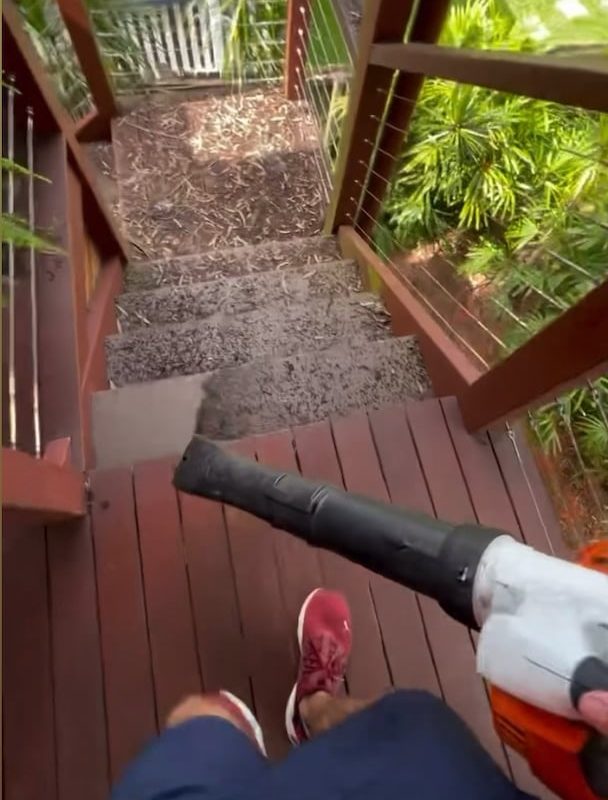
Cleaning up with a leaf blower
Title: The Ultimate Guide to Cleaning Up with a Leaf Blower: Tips, Tricks & Techniques
Meta Description: Master the art of cleaning up with a leaf blower! Discover expert tips, safety advice, and efficient techniques to tackle leaves, debris, and more.
Why a Leaf Blower is Your Secret Weapon for Effortless Cleanup
Fall leaves, grass clippings, driveway debris—manual raking and sweeping can be time-consuming and exhausting. Enter the leaf blower: a powerful, versatile tool that transforms tedious yard work into a swift, satisfying task. Whether you’re tidying up after a storm, prepping your garden for winter, or maintaining a pristine lawn, a leaf blower saves time and energy while delivering professional results.
In this guide, you’ll learn:
- How to choose the right leaf blower for your needs.
- Pro techniques for fast, efficient cleanup.
- Safety tips to protect yourself and your property.
- Creative uses beyond blowing leaves!
Leaf Blower vs. Rake: Why Blowing Wins
Before diving into techniques, let’s address the biggest advantage of using a leaf blower: speed. According to landscaping experts, a leaf blower can clear a yard 10x faster than a rake! It’s also ideal for:
- Hard-to-reach areas: under decks, between pavers, or around delicate plants.
- Versatile debris: pine needles, acorns, grass clippings, and even light snow.
- Reducing strain: No more bending, blisters, or backaches.
Choosing the Right Leaf Blower
Not all leaf blowers are created equal. Consider these factors:
-
Power Source:
- Gas-Powered: Most powerful for large yards; noisy and requires maintenance.
- Electric Corded: Lightweight and affordable but limited by cord length.
- Battery-Powered: Quiet, eco-friendly, and portable—great for small to medium jobs.
-
Airflow (CFM) and Speed (MPH):
- CFM (Cubic Feet per Minute): Determines how much volume the blower moves (great for wet leaves).
- MPH (Miles Per Hour): Measures airspeed for stubborn debris (e.g., gravel or sticks).
-
Handheld vs. Backpack:
- Handheld suits most residential needs.
- Backpack models offer power and comfort for larger properties.
Pro Tip: Look for a blower with variable speed settings to handle delicate tasks like flower beds or heavy-duty jobs like gravel driveways.
Mastering Leaf Blower Techniques
1. Work Smarter, Not Harder:
- Follow the Wind: Always blow debris with the wind’s direction to reduce backtracking.
- Start from the Perimeters: Clear edges first, then move inward to create piles.
- Use a “Low to High” Approach: Blow debris downhill or from low spots (e.g., flower beds) to higher collection zones.
2. The Tarp Trick:
Lay a tarp in your cleanup zone and blow leaves directly onto it. When full, drag the tarp to your compost bin or curb—no bending required!
3. Optimize Your Nozzle Angle:
- 45–60 Degrees Downward: For pushing debris across open lawns.
- Flat, Horizontal Angle: Best for driveways and sidewalks.
- Upward Angle: Clears leaves from under bushes without damaging plants.
4. Clean Up Beyond Leaves:
- Patios & Decks: Blow dust, pollen, and cobwebs from cracks.
- Gutters: Use a gutter attachment (or reverse a wet/dry vac to blow) for clog-free drains.
- Workshops & Garages: Clear sawdust, dirt, or loose insulation quickly.
5. Wet Leaf Hack:
Wet leaves cling stubbornly to surfaces. Use a leaf blower with high CFM, or switch to a vacuum/mulch mode if your tool has it.
Safety First: Protect Yourself & Your Property
- Wear Protective Gear: Safety glasses, ear protection, and a dust mask (for pollen/mold).
- Avoid Kickback: Keep the nozzle away from gravel or rocks to prevent projectile debris.
- Check Local Regulations: Some areas restrict noise levels or gas-powered tools.
- Mind Your Surroundings: Never blow debris into streets, storm drains, or neighbors’ yards.
Pro Tip: Never use a leaf blower near chemicals, open flames, or standing water (for electric models).
Leaf Blower Maintenance: Keep It Running Smoothly
- Gas Models: Replace spark plugs yearly, use fuel stabilizer, and clean air filters.
- Battery Tools: Store batteries indoors in extreme temperatures to prolong life.
- All Types: Clear debris from vents and inspect for cracks or loose parts monthly.
FAQs: Your Leaf Blower Questions Answered
Q: Can I use a leaf blower on wet leaves?
A: Yes, but opt for a high-CFM model or a vacuum/mulcher attachment for best results.
Q: Is a leaf blower eco-friendly?
A: Battery-powered blowers are quieter and produce zero emissions—ideal for eco-conscious users.
Q: How much faster is a leaf blower than raking?
A: Up to 10x faster, depending on yard size and debris volume!
Q: Can I use a leaf blower for snow?
A: Light, powdery snow—yes! Wet/heavy snow requires a shovel or snow blower.
Conclusion: Embrace Effortless Cleanup!
A leaf blower isn’t just a seasonal tool—it’s a year-round powerhouse for maintaining a tidy yard, driveway, or workspace. With the right techniques and safety practices, you’ll breeze through cleanup tasks and reclaim precious time for the things you love. Ready to upgrade your toolkit? Explore high-performance leaf blowers and start blowing away the competition!
Got questions or favorite leaf blower hacks? Share them in the comments below!
Target Keywords:
- Cleaning up with a leaf blower
- Leaf blower tips and tricks
- How to use a leaf blower
- Leaf blower vs rake
- Best leaf blower techniques