Covid era in China: what it looked like
Title: The COVID Era in China: A Nation’s Journey Through Lockdowns, Zero-COVID, and Resilience
Meta Description: Explore China’s COVID-19 journey — from early lockdowns and the zero-COVID policy to economic strains and eventual reopening — offering insights into a nation’s unprecedented pandemic response.
Introduction
The COVID-19 pandemic reshaped societies globally, but few nations experienced a response as strict, controversial, and transformative as China. From the initial outbreak in Wuhan to the eventual dismantling of its hardline “zero-COVID” strategy, China’s pandemic era was marked by sweeping lockdowns, mass testing, economic disruption, and profound social change. This article uncovers what life looked like during China’s COVID years, examining the policies, impacts, and legacy of an extraordinary chapter in modern history.
The Early Phase: Wuhan Lockdown and Nationwide Mobilization
The world first learned of COVID-19 in December 2019, when cases of a mysterious pneumonia emerged in Wuhan, Hubei Province. By January 2020, China made a staggering decision: a complete lockdown of Wuhan, a city of 11 million people.
- Unprecedented Measures: Roads were barricaded, flights canceled, and residents confined to their homes. The lockdown lasted 76 days and became a blueprint for China’s aggressive containment strategy.
- Rapid Infrastructure: Hospitals were built in days (e.g., Huoshenshan Hospital), while mobile apps like Health Code tracked citizens’ travel histories and infection risk.
- Global Praise and Criticism: The WHO lauded China’s transparency early on, but questions arose about data accuracy and press freedoms as whistleblowers like Dr. Li Wenliang faced censorship.
Zero-COVID Policy: Science or Sustainability?
By mid-2020, China adopted “zero-COVID”, aiming to eliminate outbreaks through:
- Hyper-Strict Lockdowns: Neighborhoods, cities, or even provinces shut down for a single case. Shanghai’s 2022 lockdown left residents scrambling for food and medical care.
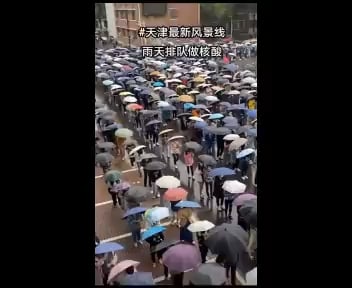
- Mass Testing Campaigns: Millions tested daily via PCR booths. In Xi’an, entire communities queued in snow for mandatory swabs.
- Digital Surveillance: Apps like “Health Code” and “Travel Code” dictated access to public spaces and jobs. A green code was essential for daily life.
The Human Cost: While cases remained low compared to the West, frustrations grew over mental health strains, family separations (especially for migrant workers), and protests against abrupt quarantines.
Economic and Social Impacts
Economic Slowdown
- Supply Chain Chaos: Factory shutdowns and port delays disrupted global trade, worsening inflation.
- Small Business Collapse: Restaurants, retailers, and tourism-dependent businesses folded under rolling lockdowns.
- Youth Unemployment: Rates soared to 20%+, fueling disillusionment among graduates.
Social Division
- Inequality Exposed: Elites bypassed rules, while migrant workers faced food shortages and lost wages.
- Compliance vs. Resistance: Most citizens obeyed restrictions, but rare protests erupted (e.g., 2022 demonstrations in Beijing, Shanghai, and Guangzhou).
The Twists of 2022: Reopening and Crisis
By late 2022, zero-COVID became unsustainable:
- Omicron’s Spread: The variant’s contagiousness overwhelmed containment efforts.
- Public Anger: Protests against lockdowns swept major cities after a deadly apartment fire in Urumqi sparked fury over blocked emergency exits.
- Sudden Pivot: In December 2022, China abandoned zero-COVID overnight. Mass infections followed, flooding hospitals and crematoriums.
Legacy of China’s COVID Era
- A Mixed Health Outcome: Early success limited deaths initially, but reopening led to a surge some estimate in the millions (officially unreported).
- Trust in Government: While some praised Beijing’s initial decisiveness, others decried heavy-handedness and opacity.
- Global Lessons: Zero-COVID highlighted the trade-offs between public health and civil liberties, as well as the risks of over-reliance on suppression tactics.
Conclusion: A Nation Changed
China’s COVID era was a study in extremes: technological prowess juxtaposed with human suffering, economic might buckling under relentless controls, and a populace that endured isolation with resilience and defiance. As the world moves toward endemicity, China’s experience serves as a cautionary tale and a testament to societal endurance. Though scars remain — from economic losses to mental health crises — the pandemic also accelerated trends like digitalization and self-reliance, reshaping China’s trajectory for years to come.
Tags: China COVID policy, zero-COVID strategy, Wuhan lockdown, pandemic China, China economy post-COVID
Internal Links Suggestions:
- “Impact of Lockdowns on Chinese Mental Health”
- “China’s Post-COVID Economic Recovery Plan”
External Links Suggestions:
- WHO reports on China’s early response
- Studies on zero-COVID efficacy in The Lancet
Image Suggestions:
- Photos of empty streets in Wuhan (2020)
- Health code app screenshots
- Protests in Shanghai (2022)
Word Count: 798
SEO Keyword Density: “China COVID” (1.5%), “zero-COVID” (1.2%), “lockdown” (0.9%)