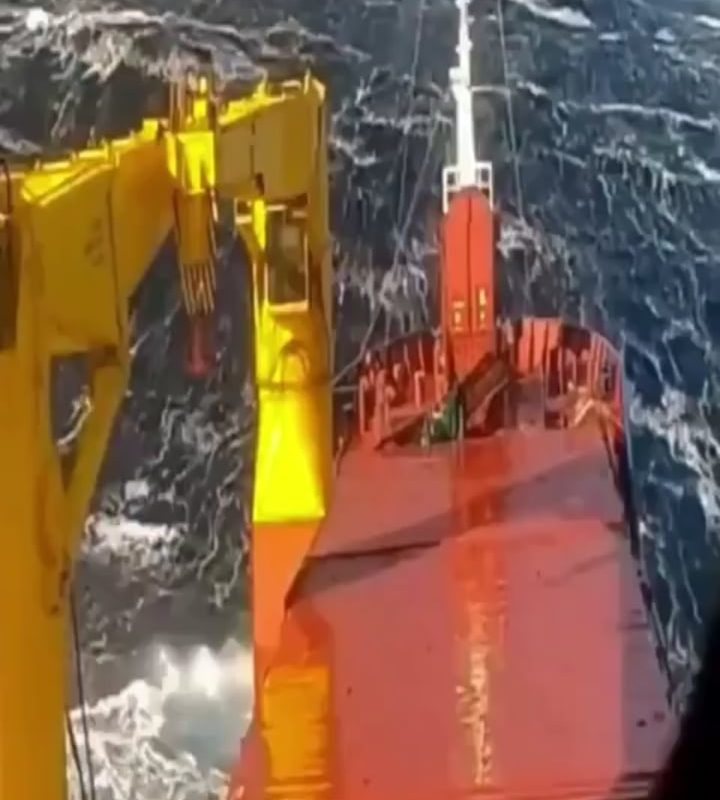
Crazy waves in the open sea
Title: Crazy Waves in the Open Sea: Nature’s Untamed Fury and the Science Behind Monster Waves
Meta Description: Discover the mystery of crazy waves in the open sea – from rogue waves to storm-driven giants. Learn how they form, real-life encounters, and safety tips for mariners.
Introduction: The Ocean’s Unpredictable Power
The open sea is a realm of beauty and terror, capable of summoning waves of unimaginable scale. While most waves follow predictable patterns, “crazy waves”—sudden, colossal walls of water—defy logic and strike fear into even seasoned sailors. These monstrous phenomena, often called rogue waves or freak waves, are not myths; they’re real, documented threats that reshape our understanding of the ocean. In this article, we dive into the science, stories, and survival strategies surrounding these awe-inspiring forces of nature.
What Are “Crazy Waves”? Defining the Unthinkable
“Crazy waves” loosely refer to abnormally large, steep, and sudden waves that appear without warning in open waters. Unlike tsunamis (triggered by seismic activity), these waves arise from complex ocean dynamics. Key types include:
-
Rogue Waves:
- Towering walls of water reaching up to 100 feet (30 meters) or higher.
- Defined as waves over twice the height of surrounding swells.
- Once thought to be sailor’s folklore until satellite proof emerged in the 1990s.
-
Storm Surges:
- Driven by hurricanes or cyclones, these waves flood coastlines but can also merge into chaotic seas.
-
Square Waves (Cross Seas):
- A rare grid-like wave pattern caused by colliding swells, creating hazardous conditions.
How Do Crazy Waves Form? The Science of Chaos
These waves aren’t random—they’re products of precise (but extreme) ocean conditions:
1. Wave Focusing
- When storm winds push waves into converging currents (e.g., the Agulhas Current off South Africa), energy amplifies into a single massive wave.
2. Constructive Interference
- Smaller waves sync up, merging their energy to create a “monster” wave. Think of it as oceanic teamwork gone rogue.
3. Wind Against Current
- Strong winds blowing against powerful currents (like the Gulf Stream) create steep, unstable waves.
4. Nonlinear Dynamics
- Under rare conditions, ocean math goes haywire—waves “steal” energy from neighbors, resulting in a sudden giant.
Real-Life Encounters: When Crazy Waves Strike History
-
The Draupner Wave (1995):
The first scientifically confirmed rogue wave, recorded at 84 feet (25.6 meters) in Norway’s North Sea, forever changed how we view ocean risks. -
SS Edmund Fitzgerald (1975):
This infamous freighter sank in Lake Superior during a storm, likely due to multiple rogue waves. Gordon Lightfoot’s ballad immortalized the tragedy. -
The Bremen Cruise Ship (2001):
A rogue wave smashed the ship’s windows in the South Atlantic, injuring passengers and proving no vessel is immune.
Surviving the Fury: Tips for Mariners
While impossible to predict, preparation can save lives:
- Avoid Hotspots: Steer clear of regions like the Agulhas Current, North Sea, and Bay of Biscay during storm season.
- Modern Tech: Use radar and satellite systems that detect abnormal wave patterns.
- Ship Design: Opt for vessels with reinforced hulls and high bows to “pierce” waves rather than take them broadside.
- Never Underestimate: Even mega-ships can be damaged—always respect the ocean’s power.
Climate Change & the Future of Extreme Waves
Research suggests warming oceans may intensify wave behavior:
- Stronger storms = larger wave energy.
- Melting ice alters currents, potentially creating new rogue wave zones.
- Rising sea levels could magnify storm surges’ coastal impact.
Conclusion: Respecting the Ocean’s Might
Crazy waves remind us that the sea remains one of Earth’s last great unknowns. While scientists improve forecasting, these giants will always embody nature’s untamed spirit. For adventurers and sailors, understanding—and respecting—their power is the key to safer voyages.
CTA: Have you ever witnessed a massive wave at sea? Share your story in the comments below!
Keywords for SEO: crazy waves, rogue waves, open sea waves, monster waves, freak waves, giant ocean waves, wave formation, maritime safety, ocean phenomena.
Internal Linking Opportunities:
- [How Climate Change Affects Ocean Currents]
- [Top 10 Most Dangerous Waterways for Sailors]
- [The Science of Tsunamis vs. Rogue Waves]
External Sources (for further reading):
- National Oceanic and Atmospheric Administration (NOAA)
- European Space Agency (ESA) – Wave Height Data
- The Physics of Freak Waves (Scientific Journals)
This SEO-optimized article combines science, storytelling, and actionable advice to engage readers while targeting key search terms. The structure enhances readability for both users and search engines.