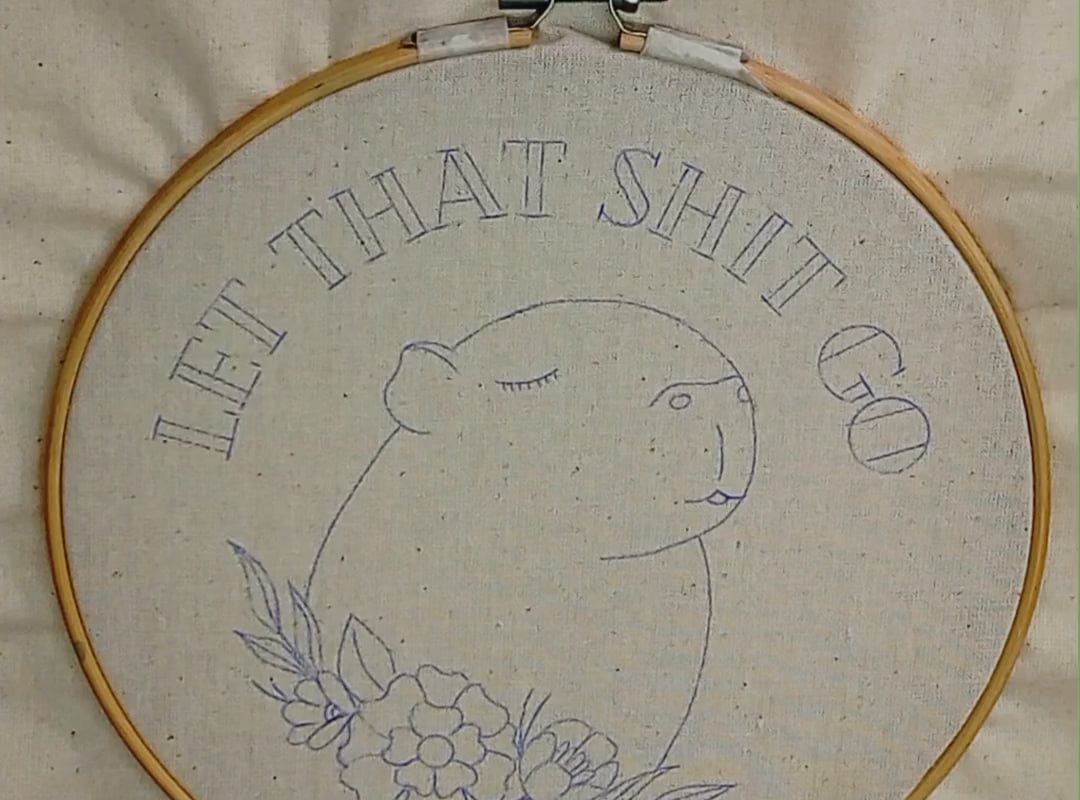
Creation process of a mixed-media piece combining watercolor and needlework.
Stitching & Splash: A Guide to Creating Mixed-Media Art with Watercolor and Needlework
Combining the fluid, dreamy beauty of watercolor with the tactile precision of needlework creates a stunning, multidimensional art form. Mixed-media pieces that blend painting and stitching offer endless creative possibilities—from whimsical landscapes adorned with embroidered flora to abstract compositions given texture with thread. This guide walks you through the creation process step-by-step, empowering you to craft a unique piece that harmonizes color, texture, and storytelling.
Why Combine Watercolor and Needlework?
Mixed-media art thrives on contrast. Watercolor’s soft gradients and organic flows contrast beautifully with needlework’s structured lines and tactile dimension. This fusion:
- Adds depth through layered textures.
- Balances spontaneity (painting) with intentionality (stitching).
- Allows for personalization—embedding symbols, quotes, or heirloom fabrics into your work.
Materials You’ll Need
Gather these supplies before starting:
- Watercolor Essentials: Paper (140lb+ cold-press), paints, brushes, palette, water jars.
- Needlework Tools: Embroidery needles, fabric scraps (linen, cotton, or organza), embroidery floss/thread, scissors, hoop.
- Extras: Pencil, transfer paper (optional), adhesive (Mod Podge or fabric glue), sealant (UV-resistant spray).
Tip: Choose acid-free paper and colorfast thread to ensure longevity.
Step-by-Step Creation Process
1. Conceptualize Your Design
Start by sketching your vision. Decide where watercolor will dominate (e.g., a background sky or ocean) and where needlework will shine (e.g., outlines, textures, or 3D elements). Consider:
- Theme: Nature, abstracts, or personal narratives (e.g., stitched words over painted portraits).
- Color Palette: Harmonize thread and paint—use analogous hues for subtlety or complementary shades for drama.
2. Create the Watercolor Base
- Prep Your Paper: Stretch watercolor paper to prevent warping. Lightly sketch outlines.
- Layer Washes: Apply light washes first, gradually building depth. Let each layer dry.
- Embrace Imperfections: Watercolor’s unpredictability adds charm! Leave whitespace for stitching.
Pro Tip: Masking fluid can reserve clean areas for needlework details.
3. Integrate Needlework
- Transfer Stitching Patterns: Use tracing paper or freehand embroidery guides onto dried paint.
- Choose Stitches:
- Backstitch: Bold outlines.
- French Knots: Texture (e.g., flower centers, stars).
- Satin Stitch: Filling shapes smoothly.
- Add Fabric Elements: Glue lace, burlap, or printed fabrics as collage layers before stitching.
4. Unify the Piece
- Thread Painting: Blend stitches into watercolor—e.g., embroidered vines crawling from painted foliage.
- Mixed Dimension: Let threads dangle freely or weave through punched holes for sculptural effects.
5. Finishing Touches
- Secure Threads: Knot ends neatly on the backside.
- Protect Your Work: Seal with UV-resistant spray. Mount on canvas or frame behind glass (leave space to preserve thread depth).
Pro Tips for Success
- Test First: Experiment with paper-thread combos to avoid bleeding or tearing.
- Balance Contrast: Ensure stitches enhance—not overwhelm—the watercolor.
- Repurpose Thoughtfully: Use thread scraps or stained fabrics to add eco-friendly charm.
Inspiration for Your Next Project
- Botanical Dreams: Paint loose watercolor blooms, then stitch intricate stems and leaves.
- Celestial Magic: Layer indigo washes, then embroider constellations with metallic thread.
- Memory Art: Combine a painted background with embroidered quotes or fabric from meaningful clothing.
Conclusion: Where Thread Meets Paint
Mixed-media art merging watercolor and needlework is a celebration of contrast and collaboration. By embracing both mediums’ strengths, you create pieces that captivate the eye and invite touch. Whether you’re a seasoned painter or a curious stitcher, this fusion opens doors to innovation—one brushstroke and stitch at a time.
Ready to start? Share your creations with #WatercolorNeedlework on social media to inspire fellow artists!
SEO Keywords: mixed-media art tutorial, watercolor and embroidery, stitching on paper, hand-stitched watercolor, textile art techniques, DIY mixed-media painting, embroidery art ideas, watercolor stitching guide, creative needlework projects.
By following this guide, your artwork won’t just hang on a wall—it’ll tell a story woven from pigment and thread. 🌿🎨🧵