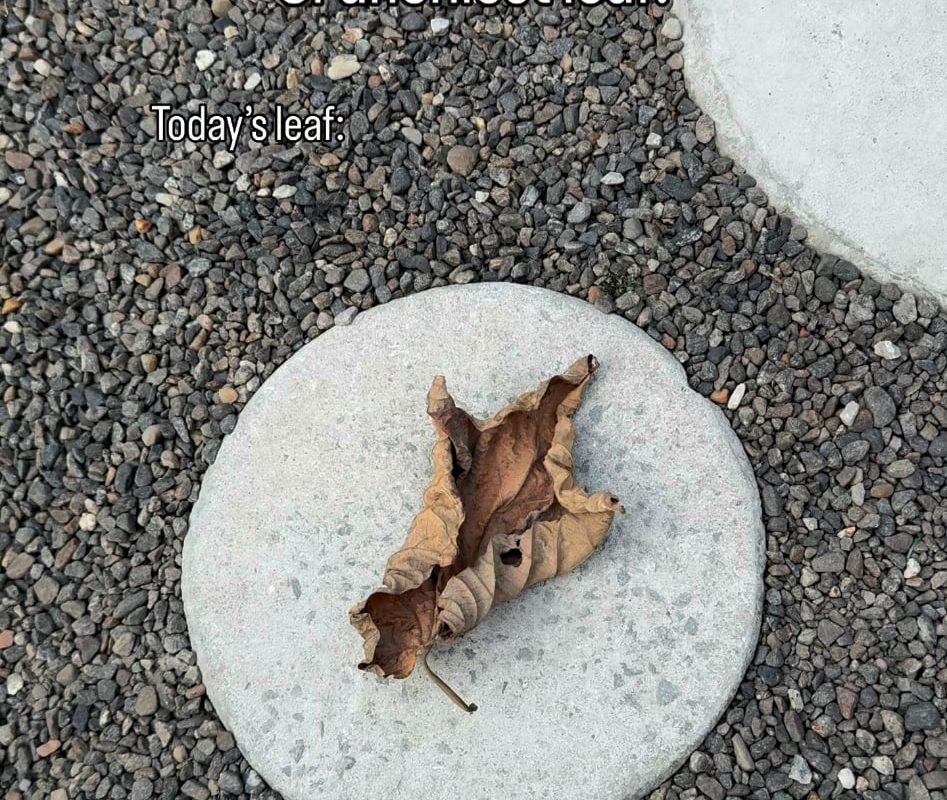
Crushing a dried up leaf.
The Surprising Satisfaction & Science of Crushing a Dried-Up Leaf: A Sensory Exploration
There’s something undeniably primal, even cathartic, about crushing a dried-up leaf between your fingers. That crisp snap, the brittle fragments scattering like confetti, the faint earthy aroma released into the air—it’s a simple act that connects us to nature’s cycles in a visceral way. But beyond the sensory satisfaction lies a fascinating story of biology, decomposition, and even metaphor. Let’s explore the world hidden within a single, fragile, desiccated leaf.
The Science of the Crunch: Why Leaves Dry and Become Brittle
Before we revel in the crushing, understanding why a leaf dries up is key. Leaves aren’t just random plant parts; they’re intricate solar panels and water regulators. As seasons shift or a leaf reaches the end of its life, several processes occur:
- Water Loss: The leaf’s stomata (tiny pores) close, halting water intake. Existing moisture evaporates, leaving tissues dehydrated.
- Chlorophyll Breakdown: The green pigment essential for photosynthesis decomposes, revealing underlying yellow and orange pigments (carotenoids) or allowing red anthocyanins to form in some species.
- Cell Structure Breakdown: Without water, cell walls weaken. Sugars and other compounds are reabsorbed by the plant, leaving behind a skeletal framework of cellulose and lignin—the very structures that make leaves rigid when alive.
This perfect storm transforms a supple, vibrant leaf into a fragile, papery remnant. When pressure is applied, those brittle cell walls snap, releasing pent-up tension and creating that signature crunch.
The Sensory Experience: More Than Just a Crunch
Crushing a dried leaf engages multiple senses:
- Sound: The initial sharp crackle gives way to a softer crumbling, like miniature autumn fireworks.
- Touch: The contrast between the smooth, dry surface before crushing and the powdery remnants after is deeply tactile.
- Smell: A subtle, dusty sweetness (from decomposed sugars) mingled with earthiness is often released—a nostalgic scent of autumn forests or forgotten corners of gardens.
- Sight: Watching a leaf transform from a defined shape into abstract fragments feels akin to observing nature’s own miniature deconstruction project.
This multi-sensory engagement can be surprisingly grounding, a moment of mindfulness rooted in the present.
Beyond the Crunch: Practical Uses for Crushed Dried Leaves
While crushing leaves for pure enjoyment is valid (and encouraged!), those fragments aren’t just sensory ephemera:
- Compost Gold: Crushed, dried leaves are a carbon-rich (brown) component essential for balanced compost. They add structure, aid aeration, and help break down nitrogen-rich (green) materials like food scraps.
- Natural Mulch: Spread around plants, crushed leaves suppress weeds, retain moisture in the soil, regulate temperature, and slowly decompose to enrich the earth—a free, sustainable garden helper.
- Craft & Decor: Crushed leaves make beautiful natural confetti, can be incorporated into homemade paper, pressed into resin ornaments, or used as a textured element in collages and potpourri.
- Soil Amendment: Mix crushed leaves directly into garden soil to improve drainage in clay-heavy soils or increase water retention in sandy soils over time.
Pro Tip: Collect diverse fallen leaves (avoid diseased ones) for a nutrient-rich and visually interesting mix. Oak leaves are slower to decompose but add acidity, while maple and birch shred faster.
Crushing Leaves as Metaphor: A Moment for Reflection
On a deeper level, the deliberate act of crushing something fragile mirrors human experiences:
- Release & Letting Go: Sometimes we need to metaphorically “crush” old worries, resentments, or anxieties—acknowledging their brittleness before releasing them.
- The Cycle of Renewal: Crushing a dead leaf isn’t destruction; it’s participation in nature’s cycle of decay feeding new life. It’s an act of transformation.
- Impermanence & Beauty: The dried leaf’s fragile beauty and ultimate destruction serve as a meditation on transience—a reminder to appreciate moments before they inevitably pass.
Conclusion: Embrace the Simple Power of the Crunch
Crushing a dried-up leaf is more than a fleeting sensory thrill. It’s science made tangible, a practical gardening hack, a creative spark, and even a philosophical prompt. Next time you find a perfectly crisp leaf underfoot, pause. Hold it, feel its delicate structure, then crush it—slowly, deliberately. Listen to its story, smell its history, and scatter its remains where they can nurture the next cycle of growth. It’s a small act brimming with connection to the natural world we often overlook.
Keywords for Discovery: crushing dried leaves, benefits of crushed leaves, dried leaf uses, compost with dried leaves, sensory activities with nature, symbolism of dried leaves, leaf decomposition, mindfulness in nature, autumn leaf crafts, brittle leaf science.