Crushing glass into paste
Crushing Glass into Paste: A Sustainable Guide to Recycling & Innovation
Glass is one of the world’s most recyclable materials, but traditional methods often stop at simple cullet (crushed glass) for remelting. Now, innovators and eco-conscious creators are taking recycling further by transforming glass into a versatile glass paste—a material with exciting applications in art, construction, and circular design. In this guide, we’ll explore how to crush glass into paste, its uses, benefits, and why this innovation is reshaping sustainability.
What Is Glass Paste?
Glass paste is a finely crushed glass powder mixed with a binding agent (like resin, epoxy, or cement) to form a moldable, adhesive material. Unlike coarse cullet, glass paste has a smooth, clay-like consistency, making it ideal for intricate designs, coatings, or industrial composites.
Why Crush Glass into Paste?
- Eco-Friendly Recycling: Diverts glass from landfills.
- Resource Efficiency: Requires less energy than recasting glass.
- Creative Potential: Enables artistic and functional uses.
How to Crush Glass into Paste: A Step-by-Step Guide
Materials & Tools Needed
- Glass waste (bottles, jars, tempered glass excluded)
- Safety gear: Gloves, goggles, dust mask/respirator
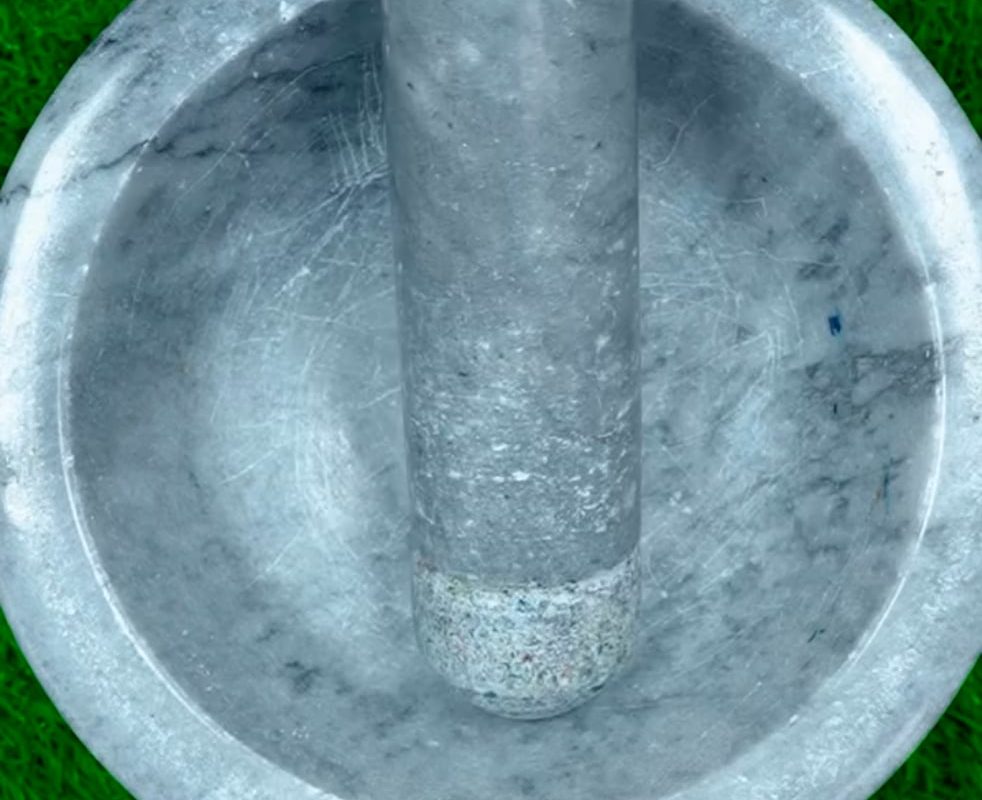
- Crushing tools: Hammer, mortar/pestle, or ball mill
- Sifter (to separate fine powder from larger pieces)
- Binding agent (epoxy, acrylic medium, or cement)
Step 1: Collect & Prepare Glass
- Clean glass thoroughly to remove labels and residue.
- Sort by color if desired for aesthetic projects.
Step 2: Crush Glass into Powder
- Manual Method: Place glass in a cloth bag and crush with a hammer. Sift repeatedly to achieve ultra-fine particles (200+ mesh).
- Mechanical Method: Use a ball mill or rotary crusher for industrial-scale powder.
⚠️ Safety First: Always work in a well-ventilated area. Silica dust from glass can harm lungs—wear a respirator and wet the glass to reduce dust.
Step 3: Mix with a Binder
Combine glass powder with your chosen binding agent:
- For art projects: Mix with clear epoxy or acrylic medium (ratio ~2:1 powder to binder).
- For construction: Blend with cement or resin for terrazzo flooring or countertops.
Step 4: Mold, Set, and Polish
Pour the paste into molds or apply as a coating. Cure according to the binder’s instructions. Polish for a glossy finish.
Top Applications of Glass Paste
1. Eco-Art & Mosaics
Glass paste adds shimmering texture to sculptures, jewelry, or wall art. Its moldability suits detailed mosaic work.
2. Sustainable Construction
- Terrazzo flooring: Combine with recycled aggregates for sleek, durable surfaces.
- Concrete additives: Strengthen structures while reducing cement use.
3. Industrial Coatings
Glass paste can create non-slip, UV-resistant coatings for roads or façades.
4. Circular Economy Innovations
Brands use glass paste for eco-friendly products like tabletops, decorative tiles, or even 3D-printing filaments.
The Environmental Benefits of Glass Paste
- Zero-Waste Recycling: Reuses glass indefinitely without quality loss.
- Energy Savings: Crushing glass into paste uses ~40% less energy than melting it anew.
- Landfill Reduction: Over 28 million tons of glass end up in U.S. landfills yearly—paste offers a solution.
FAQ: Crushing Glass into Paste
Q: Can I use any type of glass?
A: Avoid tempered glass (e.g., car windows), which shatters dangerously. Bottles, jars, and non-treated glass are safe.
Q: Is glass paste safe for food surfaces?
A: Only if sealed with food-grade epoxy and free of contaminants.
Q: Where can I dispose of excess glass powder?
A: Contact local recycling centers—many accept clean glass powder for industrial uses.
Final Thoughts
Crushing glass into paste unlocks a world of sustainable creativity. Whether you’re an artist, builder, or eco-entrepreneur, this technique turns waste into a resource with endless potential. Embrace the shift toward circular design—your next project could set a shining example for a greener future.
Pro Tip: Partner with local cafés or breweries to source discarded glass bottles and scale your impact!
Image suggestion for article: Split image showing crushed glass powder + finished paste application in art/construction.