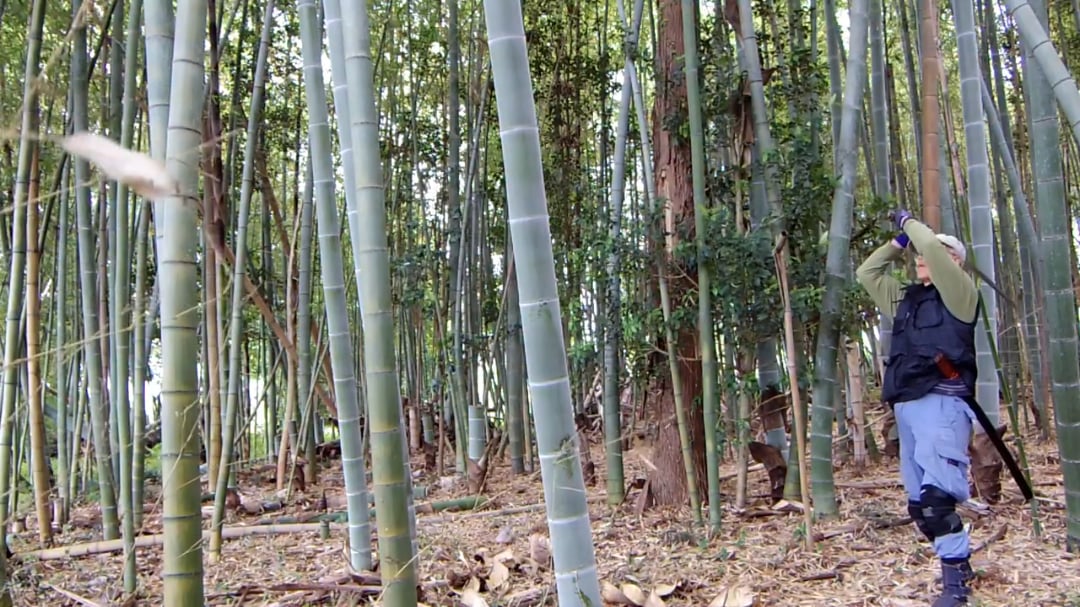
Cutting thick stemmed Moso bamboo
Title: How to Cut Thick-Stemmed Moso Bamboo: Tools, Techniques & Safety Tips
Meta Description: Learn how to safely and efficiently cut thick-stemmed Moso bamboo with the right tools, step-by-step techniques, and expert safety precautions.
Moso bamboo (Phyllostachys edulis) is one of the largest and most versatile bamboo species, prized for construction, furniture, crafts, and landscaping. However, its mature culms (stems) can grow over 7 inches (18 cm) in diameter, making cutting a challenging task. Improper techniques risk splintering, tool damage, or personal injury. In this guide, you’ll learn how to cut thick-stemmed Moso bamboo safely and effectively.
Why Moso Bamboo Requires Special Cutting Techniques
Moso bamboo’s dense, hardwood-like fibers and hollow structure create unique challenges:
- Thickness: Mature culms are thicker than most bamboo species.
- Height: Poles can reach 60–90 feet (18–27 meters), requiring stability during cutting.
- Splintering: High silica content makes stems prone to cracks if mishandled.
Using the wrong tools or methods can damage the bamboo or compromise its structural integrity.
Essential Tools for Cutting Thick Moso Bamboo
1. Chainsaw or Reciprocating Saw
- Best for speed: Gas or electric chainsaws make quick work of thick culms.
- Tip: Use a fine-tooth blade (e.g., carbide-tipped) to minimize splintering.
2. Handsaw with Aggressive Teeth
- Ideal for precision: Japanese pull-saws or pruning saws with large teeth (e.g., 8–10 TPI) cut cleanly.
- Recommended: Silky Katanaboy or Bahco Laplander.
3. Machete or Heavy-Duty Loppers
- Use-case: For young or thin culms (<4 inches diameter).
- Avoid: Standard pruners; they’ll struggle or break.
4. Safety Gear
- Gloves (cut-resistant), goggles, ear protection, and long sleeves.
Step-by-Step Process for Cutting Thick Moso Bamboo
Step 1: Choose the Right Time
- Cut during the dry season or dormant phase (late fall/winter) to reduce sap flow and deter pest infestations.
- Avoid rainy days—wet bamboo is slippery and harder to handle.
Step 2: Inspect and Mark the Cutting Point
- Identify nodes (joints) and cut 1–2 inches above one to prevent the pole from splitting.
- Avoid cracks, knots, or discolored areas—these weaken the culm.
Step 3: Secure the Culm
- Brace tall poles with ropes or straps to prevent uncontrolled falling.
- For horizontal cutting, place the bamboo on a stable surface (e.g., sawhorses).
Step 4: Cutting Technique
- Chainsaw/Reciprocating Saw:
- Start at a 45° angle to create a notch, then finish with a straight cut opposite. This prevents binding.
- Handsaw:
- Use short, controlled pull-strokes to reduce friction and splintering.
Step 5: Clean the Edges
- Sand cut ends with 60-grit sandpaper to remove sharp fibers and prevent splitting.
Safety Tips to Avoid Injury
- Stability First: Never cut a freestanding bamboo pole without securing it.
- Beware of Springback: Bamboo’s tension can snap back when cut—stand to the side.
- Avoid Overhead Cutting: Use a ladder only on stable ground and have a spotter.
Post-Cutting Care
- Preservation: Seal cut ends with wax or wood glue to prevent cracking.
- Curing: Store bamboo horizontally in a shaded, dry area for 4–6 weeks before use.
Common Mistakes to Avoid
- Using dull blades: Causes ragged cuts and increases effort.
- Cutting too close to nodes: Raises risk of longitudinal splitting.
- Ignoring safety gear: Bamboo fibers can cause severe splinters or eye injuries.
Conclusion: Master Moso Bamboo Cutting
Cutting thick-stemmed Moso bamboo requires the right tools, techniques, and respect for its unique properties. Prioritize safety, precision, and post-cut care to maximize the bamboo’s utility for projects. With this guide, you’ll transform a challenging task into a rewarding skill!
Keywords: Cutting Moso bamboo, thick bamboo stems, bamboo cutting tools, Moso bamboo techniques, safe bamboo harvesting, bamboo processing.