Danza de los Voladores – An Ancient Ceremony That Looks Impossible
Title: Danza de los Voladores: An Ancient Ceremony That Defies Gravity and Time
Meta Description: Discover the mesmerizing Danza de los Voladores, an ancient Mesoamerican ritual where daring performers “fly” from a 100-foot pole in a breathtaking spectacle of faith and geometry.
URL Slug: ancient-danza-voladores-ceremony
Introduction: A Ritual That Dances Between Earth and Sky
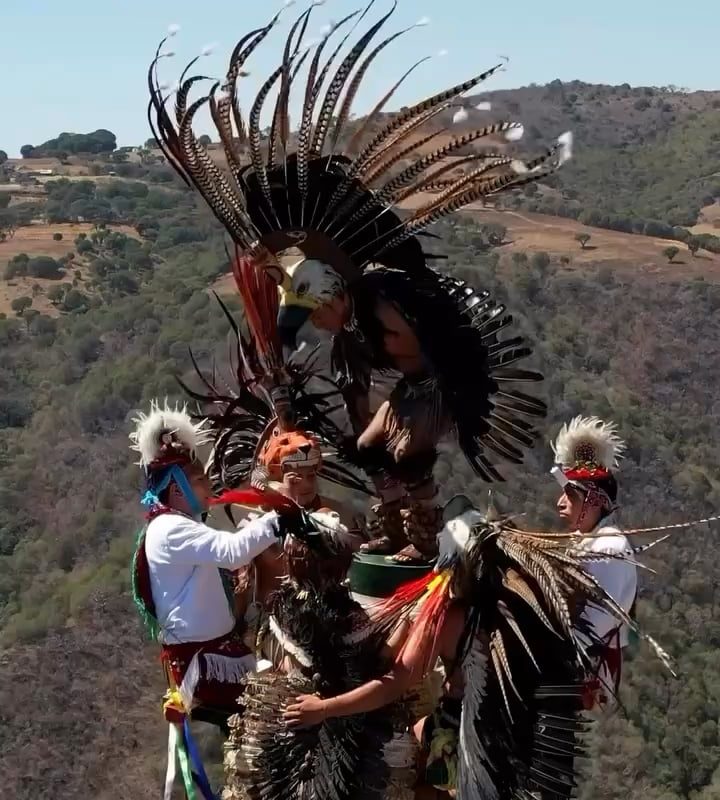
Imagine five men dressed in vibrant red robes and feathered headdresses climbing a towering pole thinner than a telephone wire. At the pinnacle, they attach ropes to their feet, lean backward, and spin gracefully toward the earth like human helicopters—all while one plays a haunting flute and drum melody. This is Danza de los Voladores (Dance of the Flyers), a 1,500-year-old indigenous ritual that looks physically impossible but endures as a sacred act of reverence, balance, and miracle-like precision.
Roots in Mesoamerican Cosmology
Originating with the Totonac people of modern-day Veracruz, Mexico, the Danza de los Voladores (originally called “Papantla Flyers”) was born as a ceremonial plea to the gods. During severe droughts or crop failures, the ritual was performed to appease Tláloc (god of rain) or Xipe Totec (god of fertility). Its symbolism runs deep:
- The Pole (Palo Volador): Represents the axis mundi—the cosmic connection between heaven, earth, and the underworld.
- Four Flyers: Embody the cardinal directions (north, south, east, west) and the four natural elements.
- 13 Spirals: Each flyer completes 13 revolutions during descent (4 flyers × 13 = 52), mirroring the 52-year cycle of the Mesoamerican calendar.
After the Spanish conquest, the ritual was nearly lost but survived clandestinely in isolated villages. Today, it’s recognized by UNESCO as Intangible Cultural Heritage of Humanity.
The Physics of Flight: How Do They Do It?
The seemingly impossible feat hinges on intricate physics and generational knowledge:
-
The Pole Setup:
- A freshly cut 25–30 meter (80–100 ft) cedar or pine pole is erected using ropes and manpower—no cranes allowed.
- A small rotating platform (tecomate) sits atop, barely large enough for five men.
-
Dance of Preparation:
Before climbing, performers circle the pole in ritual dance, invoking blessings from ancestors and deities. -
The Descent:
- The caporal (leader) stays atop, playing a flute (chirimía) and drum (huehuetl) to commune with the divine.
- The four flyers tie ropes to their ankles and lean backward. As the caporal’s music intensifies, they fall outward, slowly unraveling ropes coiled around the pole.
- Gravity vs. Centrifugal Force: Their outstretched arms shift weight to control rotation speed, ensuring a smooth, 10-minute spiral to the ground.
🔍 Fun Fact: Calculating rope length is an exact science—too long and they crash; too short and they hang mid-air!
Symbolism in Motion: More Than a Spectacle
Every detail of the ceremony carries ancestral wisdom:
- Ceremonial Dress:
- Red trousers = lifeblood; white shirts = purity; embroidered capes = flora/fauna; mirrors = warding off evil spirits.
- Feathered headdresses mimic the quetzal, a sacred bird symbolizing freedom.
- Why Five Participants?
The four flyers + one caporal represent the five suns of Aztec cosmology—the eras of creation before humankind.
Where to Witness the Miracle
While commercialization has led to tourist versions, authentic ceremonies still occur in:
- Papantla, Veracruz (Heartland of the Totonac)
- El Tajín Archaeological Zone (During the Cumbre Tajín festival in March)
- Puebla and Xalapa during cultural festivals
Pro Tip: Respectful observation is key. Attend performances sanctioned by indigenous communities—not street sideshows—to preserve its sanctity.
Preserving the Unbroken Thread
Despite threats from deforestation (fewer tall trees) and fading interest among youth, preservation efforts thrive. Schools like Escuela de Niños Voladores train youth in tying techniques, music, and spiritual meaning.
In 2009, Guatemala revived its version (Palo Volador K’iche’), proving the ritual’s pan-Mesoamerican roots.
Conclusion: Defying Gravity—and Modern Disbelief
The Danza de los Voladores isn’t a death-defying circus act—it’s a prayer in motion, a dialogue between humanity and cosmos. As flyers spiral earthward, they enact a timeless truth: faith and tradition can achieve what physics deems impossible.
🔗 Experience It Virtually: [Link to UNESCO documentary clip]
🔗 Support Preservation: [Link to Totonac cultural initiatives]
Internal Links (For SEO):
- “Explore More Mesoamerican Rituals: The Aztec New Fire Ceremony”
- “UNESCO’s Intangible Heritage List: 10 Living Traditions to Discover”
Target Keywords: Danza de los Voladores, ritual of the flyers, ancient Mesoamerican ceremony, Totonac tradition, UNESCO cultural heritage, Papantla Flyers.
Image Alt Text Suggestions:
- “Voladores dancers mid-descent from 30m pole, El Tajín Mexico”
- “Totonac caporal playing flute atop ceremonial pole”
- “Colorful feathered headdress of Papantla flyer dancer”
By blending myth, mathematics, and sheer courage, the Danza de los Voladores remains one of humanity’s most awe-inspiring rites—a testament to cultures that dared to touch the sky. 🌄