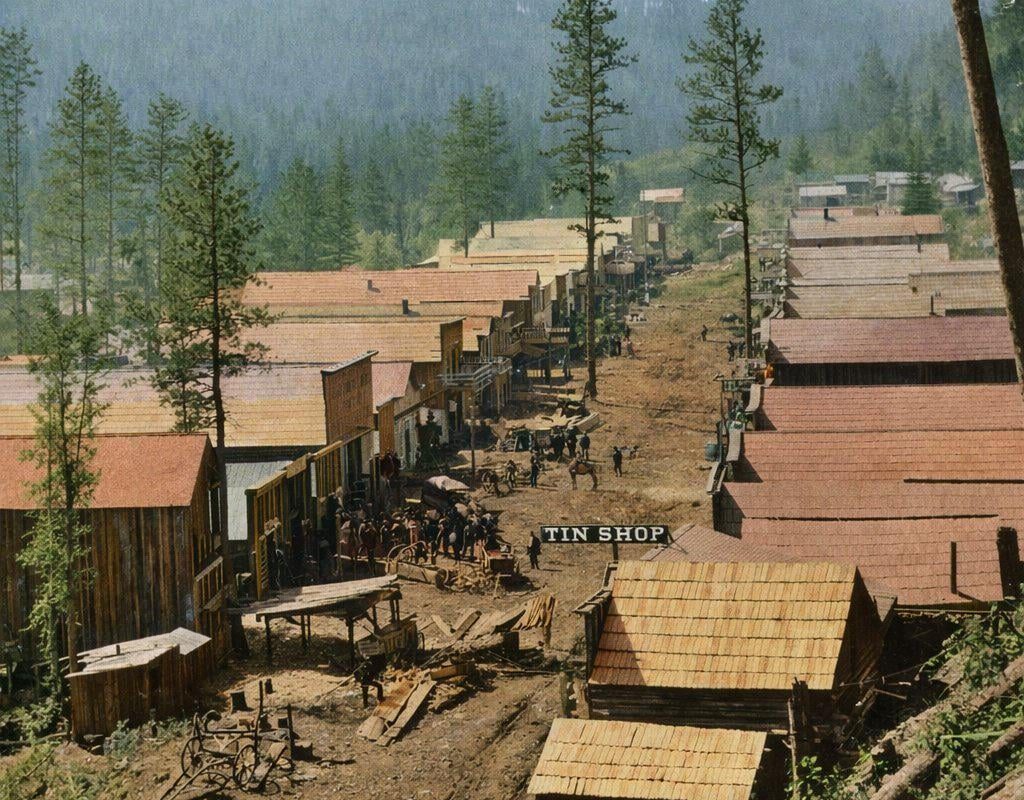
Deadwood South Dakota 1876
Title: Deadwood, South Dakota in 1876: The Untamed Birth of a Wild West Legend
Meta Description: Explore Deadwood, South Dakota in 1876 — a lawless gold rush boomtown that became the stage for legends like Wild Bill Hickok and Calamity Jane. Dive into its chaotic past and enduring legacy.
Introduction: The Birth of Deadwood in 1876
In the spring of 1876, a flood of prospectors, gamblers, gunslingers, and dreamers descended into the Black Hills of South Dakota, defying the U.S. government’s treaties with the Lakota Sioux. Their target? Gold. What emerged was Deadwood — a raucous, unregulated camp that became synonymous with the Wild West’s most brutal and fascinating era. Born from greed, violence, and opportunity, Deadwood in 1876 was a place where fortunes were made, lives were lost, and legends were forged.
How Deadwood Came to Be
Deadwood’s origin traces back to 1874, when Lieutenant Colonel George Custer’s expedition confirmed gold deposits in the Black Hills. Despite the region being Siŋté Glešká (Spotted Tail) and Tȟašúŋke Witkó’s (Crazy Horse) ancestral land under the Fort Laramie Treaty, miners illegally flooded in. By early 1876, the gulch known as “Deadwood” — named for its dead trees — exploded into a makeshift town of tents, saloons, and brothels.
Key Facts About Deadwood in 1876
- Population: Roughly 5,000 by summer, with miners comprising over half.
- Geography: Built in a narrow canyon, prone to fires and floods.
- No Law, No Order: No official government, courts, or law enforcement existed.
The Gold Rush Frenzy
Gold was Deadwood’s lifeblood. Prospectors panned streams or blasted mines in search of “placer gold.” The Homestake Mine — later the richest U.S. gold mine — was founded in 1876, setting off corporate mining dominance. Stories of overnight millionaires drew thousands, but most left poorer than they arrived.
Daily Life in the Boomtown
- Saloon Culture: 75+ saloons operated 24/7, serving whiskey and hosting poker games.
- Violence: Shootings and brawls were daily occurrences; murderers rarely faced consequences.
- Survival Essentials: Goods sold at 10x average prices due to supply shortages.
Wild Bill Hickok & The Infamous Murder
Deadwood’s most enduring tale unfolded on August 2, 1876, when James Butler “Wild Bill” Hickok — famed lawman and gunslinger — was shot dead while playing poker at the Saloon No. 10.
The Legend of Dead Man’s Hand
- The Murderer: Jack McCall, a drifter, shot Hickok point-blank in the back of the head.
- The Hand: Wild Bill held two pair: aces and eights (now called the Dead Man’s Hand).
- Aftermath: McCall was tried twice (Deadwood’s first “trial” was ruled invalid); he was later hanged in Yankton, Dakota Territory.
Hickok’s killing cemented Deadwood’s reputation as a deadly frontier town.
Calamity Jane & Other Legends
1876 Deadwood teemed with larger-than-life figures:
- Calamity Jane (Martha Canary): A sharpshooting, hard-drinking frontierswoman who claimed friendship with Wild Bill.
- Al Swearengen: Ruthless owner of the Gem Theater saloon and brothel, depicted in HBO’s Deadwood.
- Seth Bullock: A future sheriff who later brought order to the town.
The Lakota Sioux Resistance
Even as Deadwood boomed, the U.S. military waged the Great Sioux War of 1876 against tribes defending their sacred Black Hills. In June 1876, just weeks before Hickok’s death, Lakota and Cheyenne warriors annihilated Custer at the Battle of Little Bighorn. Fear of attacks loomed over Deadwood, though the town never saw direct conflict.
Deadwood’s Legacy: From Chaos to Preservation
By late 1876, Deadwood began evolving:
- 1877: Fires destroyed much of the town, leading to rebuilt brick structures.
- 1889: South Dakota statehood brought railroads and gradual lawfulness.
- Today: A National Historic Landmark, Deadwood thrives on tourism, preserving its 1876 spirit through casinos, museums, and reenactments.
Conclusion: Why 1876 Still Matters
Deadwood in 1876 wasn’t just a town — it was the Wild West incarnate. A place of danger and dreams, where the lines between hero and villain blurred daily. From Hickok’s murder to the gold rush chaos, its story shaped American folklore. Visitors today can walk the same streets, stand where Wild Bill fell, and feel the echoes of a year when Deadwood was truly alive with mayhem.
SEO Keywords: Deadwood South Dakota 1876, Wild Bill Hickok, Black Hills Gold Rush, Deadwood history, Calamity Jane, Dead Man’s Hand, Deadwood founding, lawless Deadwood.
Internal Linking Opportunities:
- “The Battle of Little Bighorn and Its Impact on Deadwood”
- “From Boomtown to Ghost Town: Deadwood After the Gold Rush”
- “The Legacy of Wild Bill Hickok in Modern Deadwood”
External Links:
Image Alt Text Suggestions:
- “Deadwood 1876 street scene with saloons and miners”
- “Wild Bill Hickok holding the Dead Man’s Hand in Saloon No. 10”
- “Calamity Jane portrait in Deadwood attire, 1876.”
By blending gripping history with targeted SEO, this article invites readers to step into the dust and danger of Deadwood, South Dakota, in 1876 — a year that forever defined the Wild West.