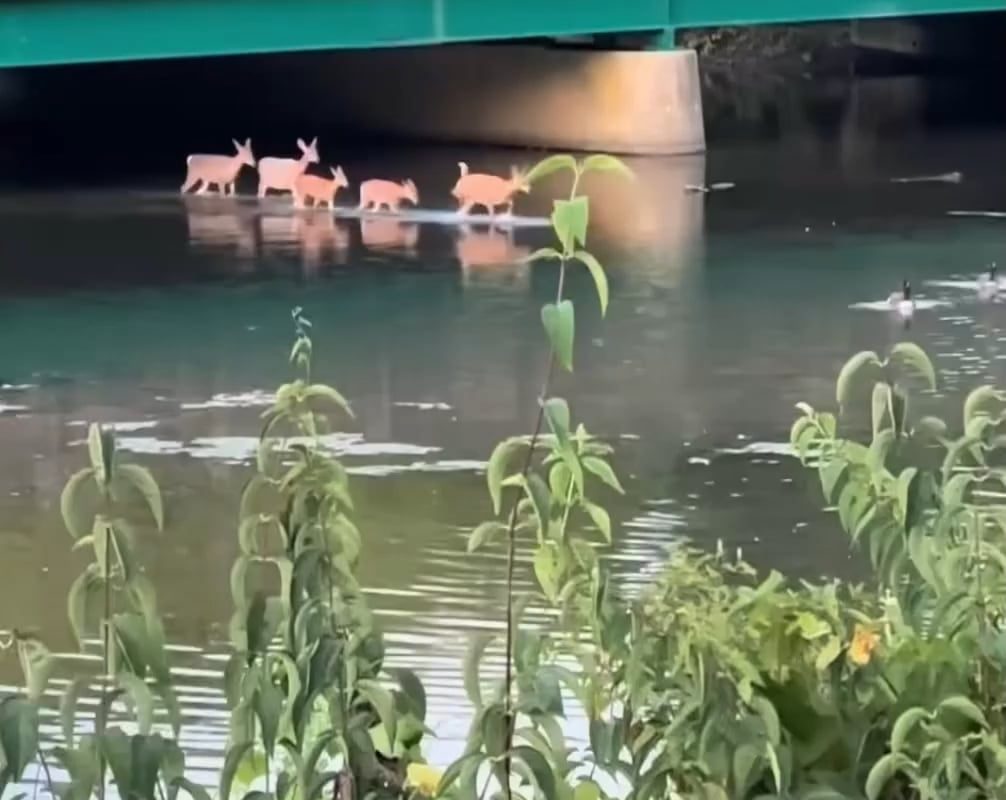
Deer family wades through serene waters
A Picture of Peace: The Deer Family Wading Through Serene Waters
There’s something undeniably magical about witnessing wildlife in harmony with nature. Few scenes capture this tranquility more beautifully than a deer family wading through serene waters, their graceful movements creating ripples that mirror the quiet majesty of the wild. This moment—etched in stillness—offers a glimpse into the delicate balance of ecosystems and the quiet strength of deer as they navigate their habitats.
Why Deer Take to the Water
Deer are often associated with forests, meadows, and mountainsides, but they’re also adept aquatic navigators. Wading through water serves several key purposes:
- Foraging Opportunities: Aquatic plants like water lilies, pondweed, and duckweed are nutrient-rich. Deer, especially in wetland habitats, will venture into shallow waters to access these food sources.
- Escape from Pests: Submerging in water helps deer evade relentless insects like mosquitoes and ticks, common in warmer months.
- Cooling Off: On hot days, water offers respite from the heat, helping regulate body temperature.
- Safety from Predators: Water can obscure scent trails, making it harder for predators like coyotes or wolves to track them.
The Deer Family Dynamic
A family unit wading together—typically a doe with her fawns—illustrates the social nature of deer. Fawns learn survival skills by mimicking their mother, including how to traverse waterways safely. Their cautious yet curious movements in the water reveal instincts shaped by evolution.
- Fawns: Young deer often stay close to their mother, their shorter legs requiring careful navigation of uneven or muddy terrain.
- Does: The lead doe remains vigilant, ears flicking for threats while guiding her young.
- Bucks: While less common in family groups, bucks may wade solo, especially during rutting season to cool off or cross territories.
The Ecological Significance of Waterways
Serene waters—be they rivers, ponds, or marshes—are critical to deer survival and broader ecosystem health. Wetlands act as:
- Biodiversity hubs, supporting fish, amphibians, birds, and insects.
- Natural water filters, improving groundwater quality.
- Climate buffers, mitigating flood risks and droughts.
When deer traverse these areas, they contribute to seed dispersal and vegetation management, aiding habitat regeneration.
Capturing the Moment: Photography & Conservation
For photographers and nature lovers, observing deer in waterways requires patience and respect:
- Timing: Dawn or dusk (“golden hours”) provide soft lighting and peak deer activity.
- Distance: Use binoculars or zoom lenses to avoid disturbing wildlife.
- Silence: Move quietly and avoid sudden gestures to prevent startling deer.
These encounters also remind us of the importance of conservation—protecting wetlands and forests ensures deer families continue to thrive. Habitat loss, pollution, and human encroachment threaten these serene scenes, making sustainable land management vital.
The image of a deer family wading through serene waters is more than just a visual delight—it’s a symbol of resilience, coexistence, and nature’s quiet rhythm. By safeguarding these habitats, we preserve not only deer populations but also the fragile beauty of a world where land and water peacefully intertwine.
Keywords: Deer family in water, serene wildlife moments, deer behavior, wetland ecosystems, nature photography, deer habitat conservation, deer wading, wildlife and water.