Deir el-Bahari Temple
Unveiling the Architectural Marvel of Ancient Egypt: Deir el-Bahari Temple
Meta Description: Explore Deir el-Bahari Temple, Egypt’s stunning terraced sanctuary. Discover its history, architecture, and secrets in this SEO-optimized guide.
Introduction
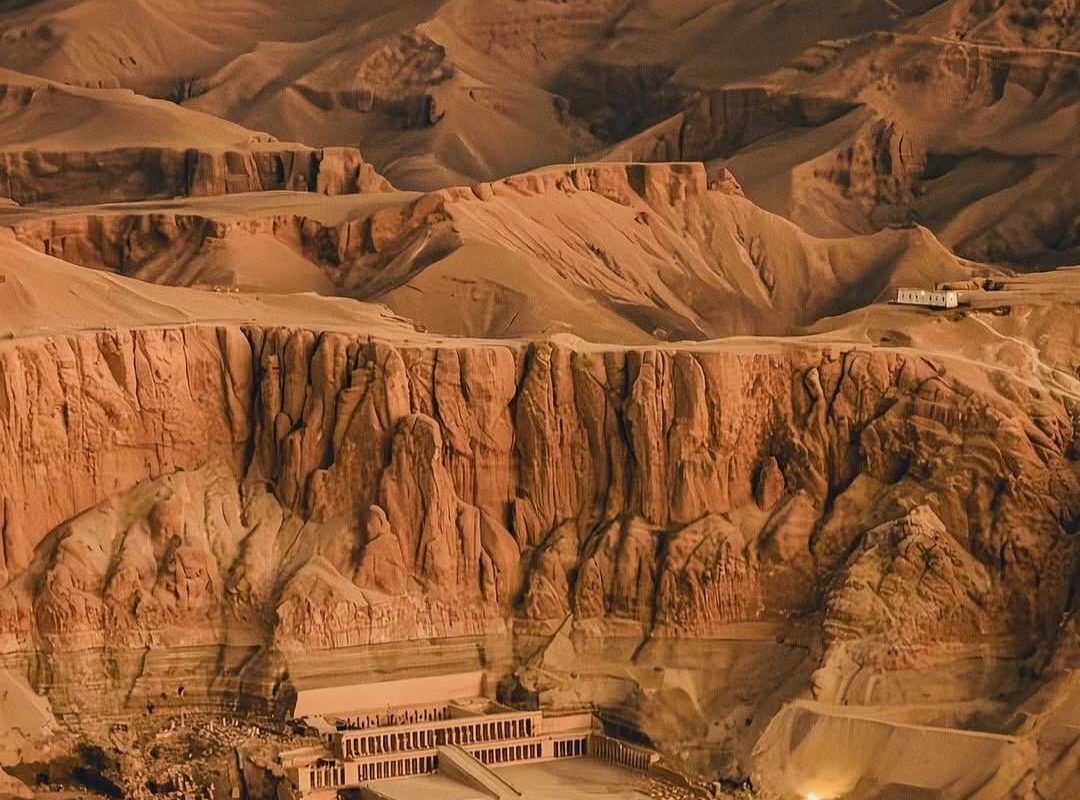
Nestled against the golden cliffs of the Theban Necropolis near Luxor, Deir el-Bahari Temple stands as one of ancient Egypt’s most breathtaking architectural achievements. This UNESCO World Heritage Site, renowned for its terraced colonnades and dramatic desert backdrop, offers a captivating glimpse into the spiritual and political ambitions of Egypt’s New Kingdom pharaohs. Whether you’re planning a visit or exploring from afar, this guide unravels the temple’s history, significance, and enduring mysteries.
Deir el-Bahari: A Sacred Complex in the Theban Hills
Deir el-Bahari (Arabic for “Northern Monastery”) comprises three primary temples carved into the limestone cliffs of western Thebes (modern-day Luxor):
- Mortuary Temple of Hatshepsut (c. 1473 BCE)
- Mortuary Temple of Mentuhotep II (c. 2050 BCE)
- Mortuary Temple of Thutmose III (smaller and lesser-preserved)
These temples served as centers for worship, royal cults, and festivals honoring gods like Amun-Ra, Hathor, and Anubis.
Hatshepsut’s Temple: Egypt’s Terraced Masterpiece
The crown jewel of Deir el-Bahari is Queen Hatshepsut’s mortuary temple, designed by her architect Senenmut. Its groundbreaking features include:
- Terraced Design: Three-tiered colonnaded halls ascending 97 feet (30 meters), blending organically with the cliffs.
- Solar Alignment: Positioned to align with the winter solstice sunrise, illuminating the innermost sanctuary dedicated to Amun-Ra.
- Reliefs & Artwork: Vibrant carvings depict Hatshepsut’s divine birth, the famed expedition to Punt (modern Somalia), and offerings to deities.
- Sacred Chapels: Shrines to Hathor (goddess of love) and Anubis (god of mummification) flank the upper terrace.
Hatshepsut, one of Egypt’s few female pharaohs, used the temple to legitimize her rule, portraying herself as a male king in statues and inscriptions.
Mentuhotep II: The Pioneer of Deir el-Bahari
The earliest temple at the site belongs to Pharaoh Mentuhotep II, founder of Egypt’s Middle Kingdom (11th Dynasty). His innovative pyramid-temple hybrid combined:
- A central raised structure (possibly a pyramid or mastaba).
- A colonnaded courtyard with 140 columns.
- An underground tomb for the pharaoh, now largely destroyed.
Mentuhotep’s temple inspired Hatshepsut’s design 500 years later.
Archaeological Discoveries & Mysteries
Deir el-Bahari has yielded extraordinary finds:
- Royal Mummies Cache (1881): A hidden tomb (DB320) contained 50+ mummies, including Ramesses II and Hatshepsut, moved by priests to protect them from tomb robbers.
- Hatshepsut’s Mummy: Identified in 2007 through DNA and a missing molar matched to her funerary box.
- The “Hatshepsut Problem”: Posthumous erasure of her name by successor Thutmose III sparked debates—was it political revenge or a bid to restore male succession?
Visiting Deir el-Bahari: Insider Tips
- Location: Opposite Luxor on the Nile’s West Bank, near the Valley of the Kings.
- When to Visit: Arrive early (opens 6 AM) to avoid crowds and midday heat. Sunset bathes the temple in golden light.
- What to See:
- Hatshepsut’s reliefs and colonnades (restored by Polish-Egyptian teams since 1961).
- Mentuhotep II’s ruins behind the upper terrace.
- Hathor Chapel’s cow-headed columns.
- Pro Tip: Combine with Valley of the Kings and Temple of Seti I for a full-day West Bank tour.
Why Deir el-Bahari Still Captivates the World
Deir el-Bahari is more than a relic—it’s a testament to ancient Egypt’s:
- Architectural Genius: Harmonizing nature and human artistry.
- Religious Devotion: A bridge between earthly power and divine eternity.
- Cultural Legacy: Reflecting Hatshepsut’s bold reign and Egypt’s Golden Age.
Final Words
A visit to Deir el-Bahari Temple immerses you in the ambition and spirituality of Egypt’s greatest pharaohs. From Hatshepsut’s terraced marvel to the silent grandeur of Mentuhotep’s sanctuary, this site remains an unmissable chapter in humanity’s architectural and historical saga.
SEO Keywords: Deir el-Bahari Temple, Hatshepsut Temple Egypt, Mortuary Temple of Hatshepsut, Luxor Temples, Egyptian Archaeology, Ancient Egyptian Architecture, Theban Necropolis, UNESCO Egypt, New Kingdom Temples.
Optimized Image Suggestions:
- Wide-angle shot of Hatshepsut’s terraces against cliffs (alt: aerial view of Deir el-Bahari Temple, Luxor).
- Reliefs depicting Punt expedition (alt: ancient Egyptian carvings, Hatshepsut Temple).
- Column detail at Hathor Chapel (alt: Hathor-headed pillar, Deir el-Bahari).
Ready to explore Egypt’s wonders? Deir el-Bahari awaits, whispering tales of pharaohs, gods, and immortality carved in stone.