Diamonds at the Natural History Museum in London
Title: Dazzling Diamonds at London’s Natural History Museum: A Guide to the Vault Gallery
Meta Description: Explore the glittering world of diamonds at London’s Natural History Museum, including the legendary Cullinan Diamonds, rare specimens, and the must-see Vault Gallery. Plan your visit today!
Introduction
The Natural History Museum in London is renowned for its awe-inspiring dinosaur skeletons and groundbreaking scientific exhibits. But nestled within its iconic Victorian architecture lies a lesser-known treasure trove: a stunning collection of rare diamonds and gemstones. From the legendary Cullinan Diamonds to the mesmerizing Aurora Pyramid of Hope, the museum’s Vault Gallery offers visitors a chance to witness Earth’s most extraordinary geological wonders.
In this guide, we’ll delve into the highlights of the diamond collection, the science behind these glittering gems, and practical tips for planning your visit.
The Vault Gallery: Home to Rarest Gems
The heart of the museum’s dazzle lies in the Vault Gallery, a high-security, dimly lit space designed to showcase the world’s rarest and most valuable specimens. The exhibits here highlight not only diamonds but also meteorites, crystals, and other treasures—all chosen for their scientific importance, beauty, or cultural significance.
Key Diamond Exhibits to See:
-
The Cullinan Diamonds
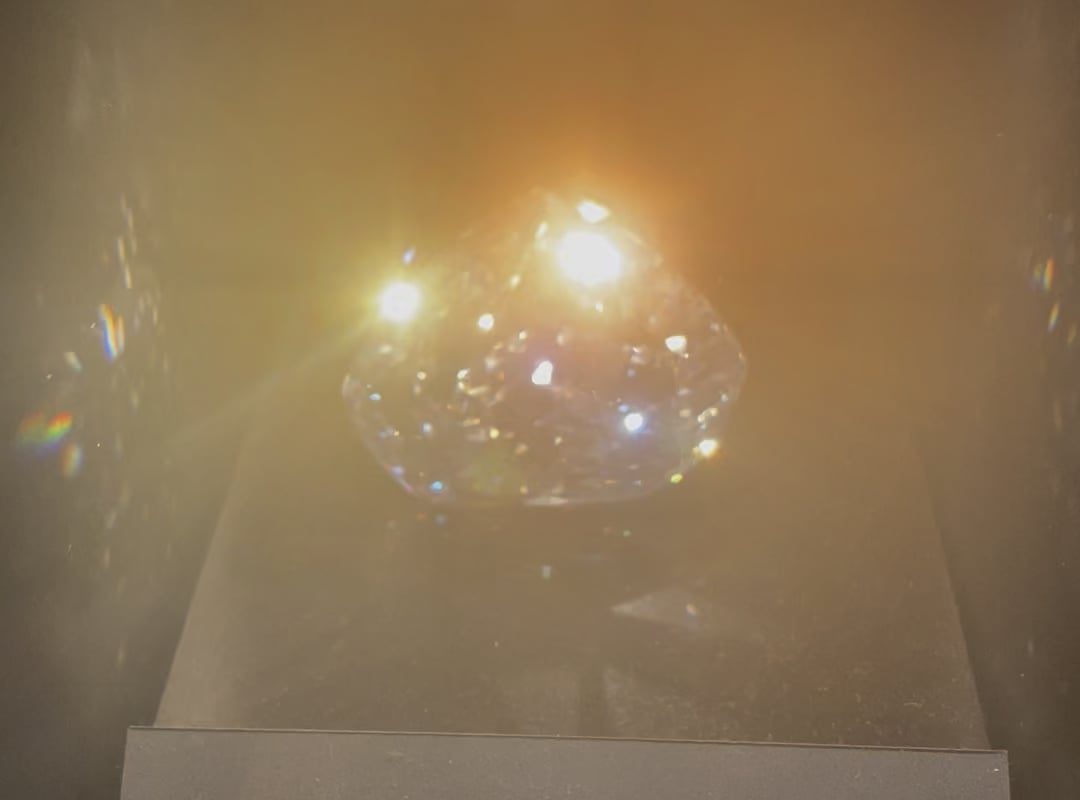
Among the museum’s crown jewels are fragments of the Cullinan Diamond, the largest gem-quality rough diamond ever discovered (3,106 carats!). Mined in South Africa in 1905, it was cut into nine major stones. The Natural History Museum displays crystal replicas of the two largest Cullinan cuts (Cullinan I and II), which are now part of the British Crown Jewels. The exhibit also explores how these diamonds formed deep within the Earth’s mantle. -
The Aurora Pyramid of Hope
This one-of-a-kind installation features 296 naturally colored diamonds, including vivid blues, pinks, yellows, and greens. The pyramid demonstrates the stunning diversity of diamond hues—a result of trace elements like boron (blue) or radiation exposure (green). -
The Devonshire Emerald
A historic 1,384-carat uncut emerald gifted to the museum in 1937. While not a diamond, it illustrates the geological processes shared by precious stones. -
Stolen Gemstones
The Vault also displays recovered stolen gems like the Ashberg Sapphire, adding a thrilling narrative of crime and redemption.
Scientific Insights: How Do Diamonds Form?
The museum’s exhibits don’t just showcase beauty—they teach visitors about deep-Earth geology. Interactive displays reveal:
- Diamond Origins: Formed 90–120 miles below the surface under extreme heat and pressure, diamonds are brought to the surface by volcanic eruptions.
- Human Impact: Learn about mining practices, ethical sourcing, and the rise of lab-grown alternatives.
- Beyond Jewelry: Discover diamonds’ industrial uses (e.g., cutting tools) and their role in studying Earth’s history.
Visitor Tips for Exploring the Vault
- Timing: Visit early or late to avoid crowds. The Vault is small and intimate.
- Free Entry: Admission to the Natural History Museum is free, but donations are welcome. Special exhibitions may require tickets.
- Nearby Exhibits: Pair your visit with the Minerals Gallery (home to 5,000+ specimens) and the earthquake simulator in the Earth Hall.
- Guided Tours: Check the museum’s website for geology-focused tours or family workshops.
Why This Collection Matters
The Natural History Museum’s diamond displays bridge art, science, and history. They remind us that these “symbols of eternity” are not just luxury items—they’re time capsules of our planet’s dynamic past. Whether you’re a gem enthusiast, a geology student, or simply seeking inspiration, the Vault Gallery promises a glittering adventure.
Plan Your Visit
- Address: Natural History Museum, Cromwell Road, London SW7 5BD.
- Nearest Tube: South Kensington.
- Opening Hours: Daily from 10 AM–5:50 PM (last entry 5:30 PM).
FAQ Section
Q: Are the diamonds at the museum real?
A: Yes! Most are genuine, though replicas of heavily guarded gems (like the Cullinan I) may be shown.
Q: Is photography allowed?
A: Yes, but avoid flash to protect sensitive materials.
Q: Are the exhibits kid-friendly?
A: Absolutely! The sparkling gems captivate all ages, and interactive displays make learning fun.
Final Thoughts
From the icy brilliance of the Aurora Pyramid to the lore of the Cullinan Diamond, London’s Natural History Museum offers a unique journey into the world of diamonds. Don’t miss this hidden gem on your next London itinerary!
Tags: Natural History Museum London, diamond exhibits London, Cullinan Diamond, Vault Gallery, geology exhibits, London museums, family activities London.