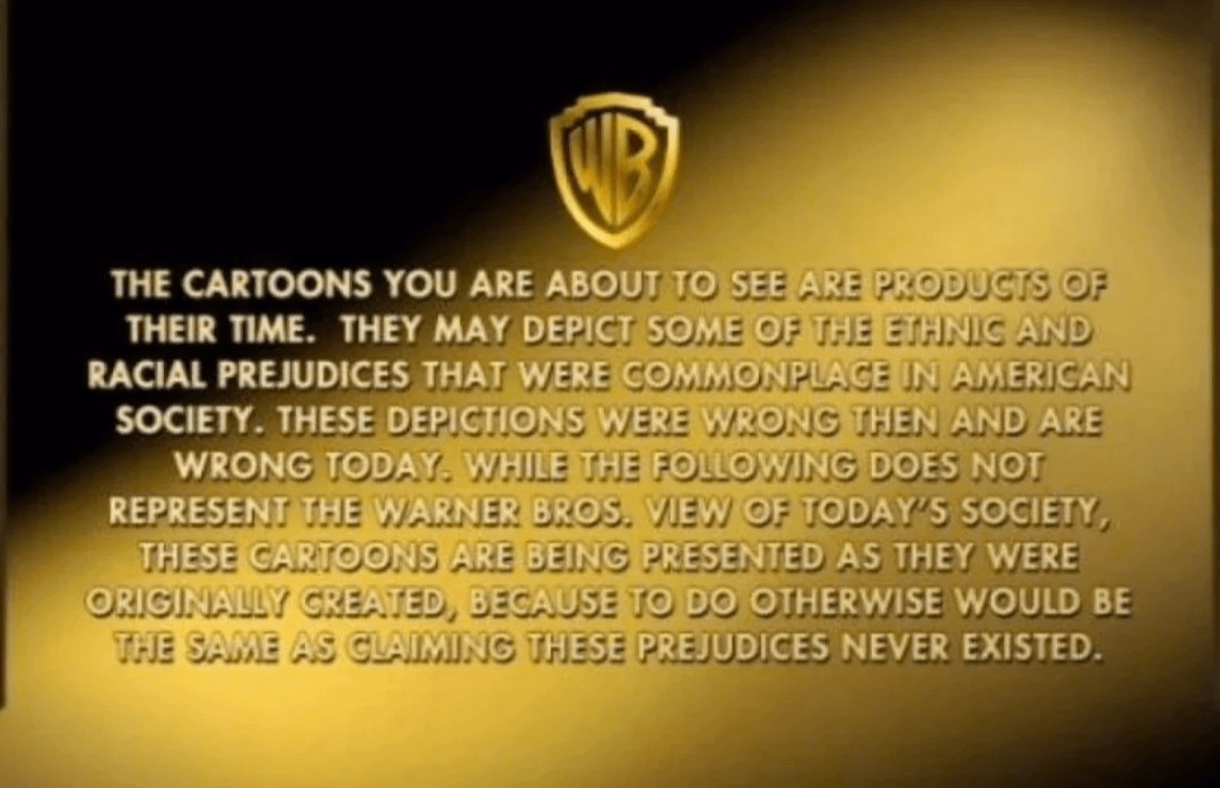
Disclaimer before old Warner Bros. cartoons.
Title: Understanding the Warner Bros. Cartoon Disclaimer: Why Classic Animations Now Carry Content Warnings
Meta Description: Discover the purpose, history, and controversy behind the disclaimer shown before old Warner Bros. cartoons like Looney Tunes. Learn why studios address outdated stereotypes today.
For decades, classic Warner Bros. cartoons like Looney Tunes and Merrie Melodies have delighted audiences with slapstick humor, iconic characters like Bugs Bunny and Daffy Duck, and timeless animation. But modern viewers streaming these vintage shorts on platforms like HBO Max or Boomerang will notice something new: a content disclaimer warning about “negative depictions” and “harmful stereotypes.”
This article breaks down the significance of these disclaimers, Warner Bros.’ stance on preserving art while acknowledging historical context, and the ongoing debate they’ve sparked among fans and historians.
What Does the Warner Bros. Disclaimer Say?
The exact wording varies slightly, but most disclaimers resemble this:
“The cartoons you are about to see are products of their time. They may depict some ethnic and racial prejudices that were once commonplace in American society. Such depictions were wrong then and are wrong today. While these cartoons do not represent today’s values, they are presented as they were originally created, because to do otherwise would be the same as claiming these prejudices never existed.“
This message appears for a wide range of pre-1960s shorts, particularly those with racist caricatures, sexist tropes, or culturally insensitive portrayals of Indigenous, Asian, Black, or Latino characters.
Why Were These Disclaimers Added?
Warner Bros. (alongside Disney and other studios) began adding disclaimers in 2019–2020 as part of broader cultural reckoning with offensive media. Key reasons include:
- Historical Accountability: Acknowledging that stereotypes perpetuated harmful real-world biases (e.g., “Censored Eleven” cartoons banned since 1968).
- Educational Intent: Framing cartoons as artifacts of their era to spark conversations about evolving social norms.
- Streaming Context: With classics accessible to young/global audiences, disclaimers clarify context missing from their original theatrical releases.
Controversial Examples: What Scenes Prompted Warnings?
While not every Warner Bros. cartoon carries a disclaimer, certain tropes repeatedly appear:
- Racial Caricatures: Characters like Bosko (early 1930s) or “Injun Joe” in Hiawatha’s Rabbit Hunt (1941) rely on dehumanizing stereotypes.
- Cultural Mockery: Episodes like Bunker Hill Bunny (1950) depict Mexicans via lazy, sombrero-wearing tropes.
- Gender Roles: Female characters often exist solely as damsels or objects of ridicule.
Some shorts, like Coal Black and de Sebben Dwarfs (1943), remain largely suppressed due to extreme racism.
Fan Reactions & Debates
Responses to the disclaimers remain mixed:
- Supporters argue they allow art preservation without glossing over harmful history.
- Critics claim disclaimers “over-censor” art or unfairly judge past creators by modern standards.
- Middle Ground: Some historians suggest pairing warnings with documentaries or commentary to deepen understanding.
Warner Bros. has stressed they won’t remove or alter vintage cartoons—unlike Disney, which restricts content like Song of the South (1946).
How Does Warner Bros. Handle These Cartoons Today?
The studio balances accessibility with sensitivity:
- Curated Streaming: Offensive shorts are often excluded from children’s profiles or general catalogs.
- Bonus Features: HBO Max’s Looney Tunes collection includes documentaries on racial stereotypes in animation.
- Modern Reboots: Newer projects (e.g., Space Jam: A New Legacy) feature diverse voices to offset past exclusions.
FAQ: Warner Bros. Cartoon Disclaimer Explained
Q: Are the disclaimers only on Warner Bros. cartoons?
A: No—Disney+, Paramount+, and even classic film distributors like Criterion use similar warnings.
Q: Does the disclaimer mean these cartoons are canceled?
A: No. Warner Bros. still makes them available, but with context for modern sensibilities.
Q: Why not just remove offensive cartoons entirely?
A: Studios argue that erasing history risks repeating it. Disclaimers encourage critical engagement.
The Bigger Picture: Art, History, and Responsibility
Warner Bros.’ approach reflects a growing media trend: preserving creative works while acknowledging their flaws. As cultural values shift, disclaimers serve as bridges between nostalgia and progress—ensuring classic animation can be both enjoyed and learned from.
Whether you see them as necessary context or excessive hand-holding, one truth remains: these cartoons are powerful reminders of how far entertainment has come, and how far it still must go.
Keywords for SEO: Warner Bros cartoon disclaimer, Looney Tunes content warning, vintage cartoon stereotypes, Warner Bros historical context, old cartoons disclaimer meaning, Warner Bros controversial cartoons, Looney Tunes racist scenes, Warner Bros censorship, classic animation disclaimer, Warner Bros streaming policy