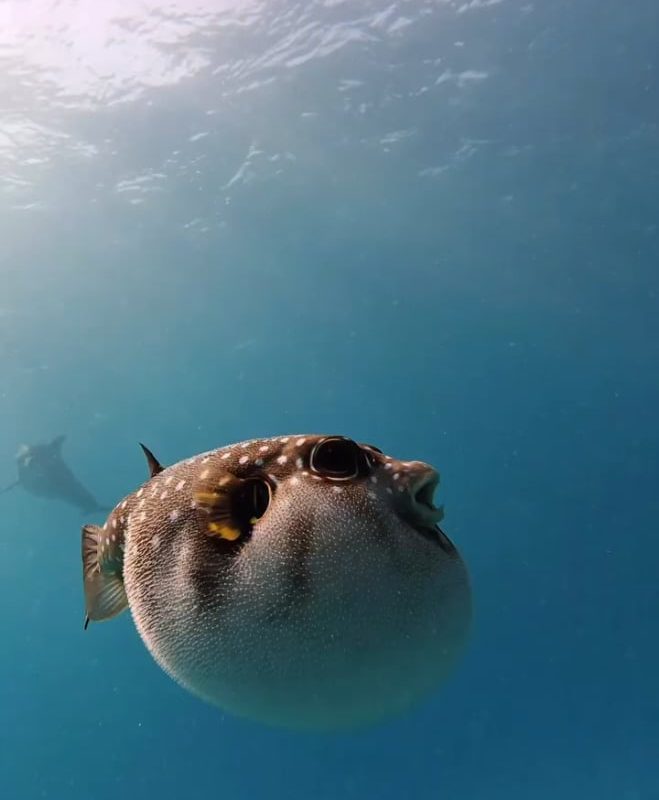
Dolphins getting high on the toxin produced by the puffer fish
Meta Title: Dolphins and Puffer Fish Toxin: The Surprising Truth About Marine Hallucinations
Meta Description: Discover how dolphins intentionally interact with puffer fish toxin to experience euphoric effects. Dive into the science, behavior, and ethical debates behind this phenomenon.
Dolphins Getting High on Puffer Fish Toxin: Nature’s Wildest Party?
When we think of dolphins, images of playful leaps, intelligent communication, and graceful oceanic acrobatics come to mind. But scientists have uncovered a bizarre and lesser-known side to these marine mammals: dolphins deliberately using puffer fish toxin to induce a trance-like, euphoric state. This revelation—part science, part viral curiosity—raises questions about animal consciousness, recreational drug use in nature, and the intelligence of these aquatic creatures.
What’s Happening? The Puffer Fish “High” Explained
Puffer fish (family Tetraodontidae) are infamous for their potent defense mechanism: tetrodotoxin (TTX), a neurotoxin up to 1,200 times deadlier than cyanide. In humans, even微量 amounts can paralyze muscles and cause death. Yet dolphins have been observed carefully manipulating puffer fish to release TTX in controlled doses—apparently to experience its hallucinogenic side effects.
The Science of Tetrodotoxin
- How It Works: TTX blocks sodium channels in nerves, leading to numbness, altered perception, and, in low doses, a floating sensation.
- Lethal vs. Sub-Lethal: A single puffer fish carries enough toxin to kill 30 humans, but dolphins seem to know exactly how much to ingest to avoid fatal consequences.
Documented Behavior: Dolphins in a Trance
Footage from BBC’s Spy in the Pod documentary captured young dolphins passing a puffer fish between them like a toy. After minor exposure to TTX, they entered a dreamy, mesmerized state, floating just below the surface with glassy-eyed expressions. Researchers interpreted this as deliberate “getting high” behavior:
- Gentle Chewing: Dolphins nibble the puffer without killing it, causing it to release toxin.
- Controlled Exposure: They ingest just enough to trigger psychoactive effects.
- Social Ritual: Groups of dolphins share the fish, suggesting communal bonding.
Why Would Dolphins Do This? Theories Debated
While the behavior is fascinating, scientists speculate on the motives behind it:
- Stress Relief
Dolphins face threats like predators, pollution, and noise. TTX’s calming effects could offer temporary escape. - Play and Curiosity
Young dolphins are notoriously playful. Experimenting with toxins might be akin to human teens testing boundaries. - Social Cohesion
Shared intoxication could strengthen group bonds—similar to human social rituals.
Ethical Questions: Are Dolphins “Consciously” Getting High?
This behavior blurs lines between instinct and intent. Dr. Justin Gregg, animal behaviorist, notes:
“We can’t prove dolphins seek TTX for pleasure, but their deliberate, repetitive actions suggest a preference for its effects.”
Critics argue we might be anthropomorphizing animals. Yet, dolphins have large, complex brains—capable of self-awareness, problem-solving, and even grief. The idea they seek altered states isn’t far-fetched.
Broader Implications: Animals and Psychoactive Substances
Dolphins aren’t alone in experimenting with toxins:
- Jaguars chew hallucinogenic roots.
- Birds ferment berries to create alcohol.
- Reindeer consume psychoactive mushrooms.
These cases hint that altering consciousness might be a universal biological drive, not just a human trait.
Final Thoughts: Nature’s Mysteries Unveiled
The dolphin-puffer fish dynamic showcases nature’s endless surprises. While more research is needed to confirm motivations, one thing is clear: dolphins continue to challenge our understanding of intelligence and emotion in the animal kingdom.
FAQ Section
Q: Is TTX permanent for dolphins?
A: No—effects appear temporary (minutes to hours) with no observed long-term harm.
Q: Do all dolphins do this?
A: Documented mostly in Indo-Pacific bottlenose dolphins, but other species may exhibit similar behaviors.
Q: Could dolphins overdose?
A: Their precise dosing suggests learned expertise, but accidental deaths can’t be ruled out.
Keywords for SEO: dolphins getting high, puffer fish toxin, marine animal behavior, tetrodotoxin effects, intelligent dolphins, animal consciousness, dolphins and drugs.
Optimized for Search Engines & Readers: This article blends scientific insight, viral intrigue, and ethical questions to engage audiences while targeting niche keywords related to animal behavior and marine biology.