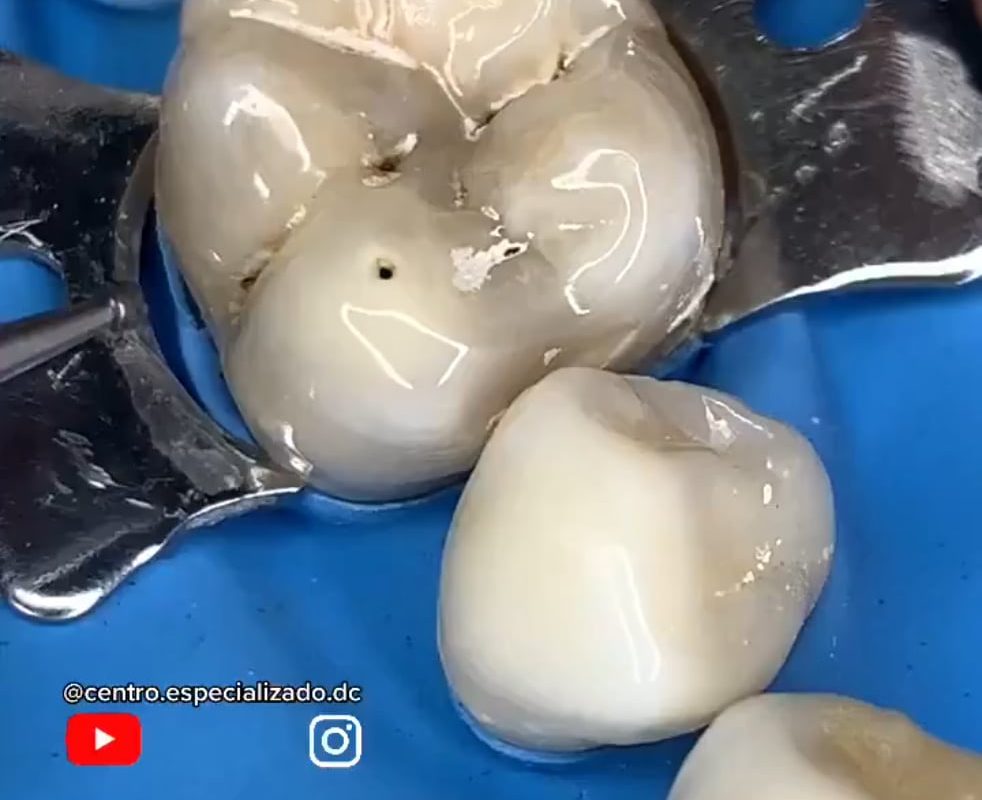
Drilling out tooth decay.
Drilling Out Tooth Decay: What to Expect, Procedure Details, and FAQs
Tooth decay is one of the most common dental problems worldwide, affecting billions of people. When left untreated, it can lead to pain, infection, and tooth loss. One of the most effective ways to treat cavities is by drilling out tooth decay—a routine yet critical procedure formally known as a dental filling. In this article, we’ll break down how drilling works, what to expect during treatment, pain management options, and modern alternatives to the dental drill.
What Is Drilling for Tooth Decay?
Drilling (or cavity preparation) involves removing decayed tooth structure using a dental drill. The dentist then cleans and fills the cavity with materials like composite resin, amalgam, or porcelain to restore the tooth’s function and appearance. This prevents bacteria from spreading deeper into the tooth, protecting the pulp (nerve) and avoiding complications like abscesses or root canals.
Why Is Drilling Necessary for Cavities?
Tooth decay is caused by bacteria-producing acids that erode enamel and dentin (the inner tooth layer). Drilling removes:
- Decayed material: Eliminates bacteria-infected areas.
- Weak tooth structure: Creates a clean surface for the filling to bond securely.
- Risk of spread: Stops decay from progressing toward the root.
Skipping drilling may leave decay behind, leading to recurring cavities or infections.
Step-by-Step: What Happens During the Procedure
1. Numbing the Area
The dentist applies a topical gel, then injects local anesthesia to ensure a pain-free experience.
2. Isolating the Tooth
A rubber dam or cotton rolls keep the tooth dry during drilling and filling.
3. Drilling Out the Decay
Using a high-speed drill or laser, the dentist removes discolored, soft enamel and dentin. Modern drills minimize heat and vibration for comfort.
4. Cleaning and Preparing the Cavity
The cavity is disinfected, and the tooth is shaped for optimal filling adhesion.
5. Placing the Filling
The dentist applies the chosen filling material (e.g., tooth-colored composite resin) and cures it with a UV light.
6. Polishing and Bite Check
Excess material is removed, and your bite is tested to ensure proper alignment.
Does Drilling Out Tooth Decay Hurt?
Thanks to anesthesia, most patients feel only slight pressure during drilling. However, sensitivity may occur if:
- The decay is close to the pulp.
- You have gum recession or thin enamel.
- Anesthesia hasn’t fully taken effect.
For anxious patients: Sedation options (e.g., nitrous oxide or oral sedatives) or newer drill-free methods can help.
Alternatives to Traditional Drilling
While drilling remains the gold standard, these advanced techniques are gaining traction:
-
Laser Dentistry
- Uses focused light beams to vaporize decay with minimal noise or vibration.
- Best for small cavities and early-stage decay.
-
Air Abrasion
- Blasts decay away with a stream of fine particles (e.g., aluminum oxide).
- No anesthesia needed for minor cavities.
-
Silver Diamine Fluoride (SDF)
- A liquid applied to halt decay in very early stages (common for children or high-risk patients).
- Darkens the cavity area but avoids drilling.
-
Ozone Therapy
- Kills decay-causing bacteria with ozone gas.
- Often paired with remineralizing agents like fluoride.
Note: Not all alternatives work for deep decay—drilling may still be necessary.
Aftercare Tips Post-Drilling
To ensure quick recovery and longevity of your filling:
- Avoid hard/sticky foods for 24 hours (for composite fillings).
- Use sensitivity toothpaste if you experience temporary discomfort.
- Maintain oral hygiene: Brush twice daily, floss, and rinse with fluoride mouthwash.
- Attend follow-ups to monitor the filling and overall oral health.
Preventing Future Tooth Decay
Drilling is avoidable with proactive dental care:
- Brush twice daily with fluoride toothpaste.
- Floss daily to clean between teeth.
- Limit sugary/acidic foods and drinks.
- Get biannual dental cleanings to catch early decay.
- Ask about sealants to protect molars from cavities.
FAQs About Drilling Out Tooth Decay
Q1: Do all cavities require drilling?
No. Very early decay (white spots) may remineralize with fluoride. Deeper cavities need drilling.
Q2: How long does the procedure take?
Most fillings take 20–60 minutes, depending on cavity size and location.
Q3: Is the dental drill dangerous?
Modern drills are precise and safe. Dentists avoid healthy enamel and use water cooling to protect the tooth.
Q4: Will my filling last forever?
Fillings last 7–15 years on average. Avoid teeth grinding and maintain check-ups to extend their lifespan.
Q5: Can I drive after a filling?
Yes—anesthesia wears off in 2–4 hours, but sedation may require a driver.
Conclusion
Drilling out tooth decay is a fast, effective way to save damaged teeth and prevent serious oral health issues. With modern techniques and anesthesia, discomfort is minimal, and results are long-lasting. If you suspect a cavity, early treatment with a filling is far simpler—and cheaper—than waiting for decay to worsen. Schedule regular dental visits and prioritize prevention to keep your smile drill-free!
Need a dental check-up? Contact your dentist today for a decay assessment and personalized treatment plan.
SEO Keywords: drilling out tooth decay, does drilling a cavity hurt, tooth decay treatment, dental filling procedure, cavity drilling alternatives, laser dentistry for cavities, how to prevent cavities.