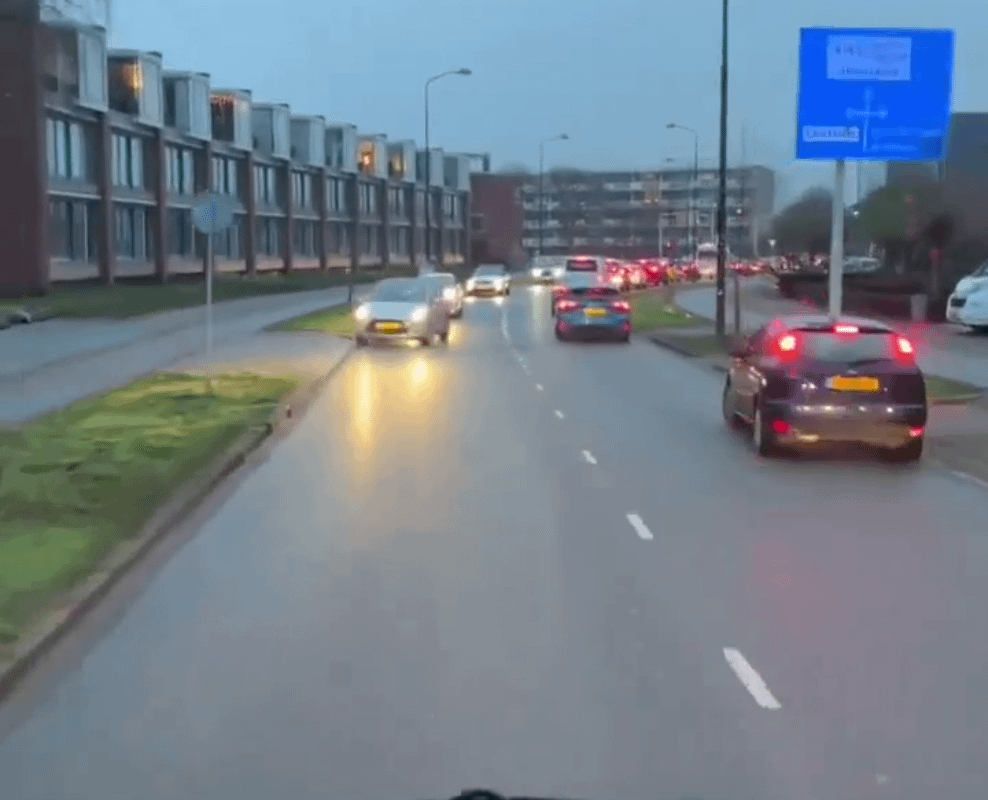
Drivers in Netherlands giving way to an ambulance
Title: Understanding Dutch Road Etiquette: How & Why Drivers Must Give Way to Ambulances in the Netherlands
Meta Description: Discover the rules, cultural norms, and legal obligations for Dutch drivers when giving way to ambulances. Learn how quick reactions save lives and avoid fines in the Netherlands.
Introduction
In the Netherlands, where cycling paths weave beside canals and efficient public transport connects vibrant cities, road safety is a cornerstone of national culture. One critical aspect of Dutch traffic rules involves giving way to emergency vehicles, especially ambulances. This article explores the legal framework, best practices, and societal expectations for Dutch drivers when encountering ambulances with sirens or flashing lights.
1. The Legal Obligation: Article 50 of RVV 1990
Under Dutch traffic law (Reglement Verkeersregels en Verkeerstekens 1990), Article 50 explicitly requires all road users to yield to emergency vehicles displaying blue lights and sirens. This includes:
- Ambulances
- Police cars
- Fire trucks
Key requirements for drivers:
- Immediately create a clear path for the ambulance.
- Slow down, signal your intentions, and pull over to the side of the road.
- Never block intersections or enter bicycle lanes illegally.
Failing to comply can result in fines up to €400 and, in severe cases, license suspension.
2. How Dutch Drivers Give Way: Step-by-Step
Dutch drivers are trained to react swiftly and systematically:
- Stay Alert: Listen for sirens early (ambulances use distinct dual-tone sirens). Check mirrors frequently.
- Signal and Slow Down: Indicate your intention to pull over using your turn signal. Reduce speed smoothly—avoid sudden braking.
- Choose a Safe Spot: Pull as far right as possible on roads without a median. On highways, use the emergency lane or divide lanes to create a corridor.
- Never Block Intersections: If stopped at a red light, move slightly forward or sideways (without endangering pedestrians) to let the ambulance pass.
Note: Cyclists and pedestrians must also yield.
3. Dutch Culture of Efficiency and Respect
The Netherlands’ flat landscape and dense urban areas mean every second counts for ambulances navigating traffic. A few cultural factors reinforce compliance:
- Driver Education: Dutch driving exams rigorously test emergency vehicle protocols.
- Social Responsibility: Citizens widely recognize that yielding saves lives—average ambulance response times are under 10 minutes in cities.
- Traffic Technology: Smart traffic lights in cities like Amsterdam and Rotterdam prioritize approaching ambulances, turning green as they near intersections.
4. Penalties for Non-Compliance
Ignoring an ambulance’s right-of-way isn’t just dangerous—it’s costly. Violations are punishable under Article 5 of the Road Traffic Act (Wegenverkeerswet 1994):
- Fines range from €240–€400.
- Repeat offenders risk license suspension or mandatory retraining.
- In accidents caused by failing to yield, drivers face criminal liability.
5. Tips for Tourists and Expats
Foreign drivers in the Netherlands should:
- Review local traffic rules before driving.
- Stay calm—avoid swerving unpredictably. Focus on creating space.
- Remember trams and buses may also have priority in certain zones.
FAQ: Giving Way to Ambulances in the Netherlands
Q: Do I need to stop on the highway?
A: Create a corridor between lanes instead of stopping completely.
Q: What if I can’t pull over immediately?
A: Slow down, signal, and let the ambulance navigate around you—they’re trained to anticipate driver behavior.
Q: Can I enter a bike lane to yield?
A: Only if safe and no cyclists are present. Never endanger vulnerable road users.
Conclusion
In the Netherlands, yielding to ambulances is both a legal duty and a societal norm rooted in efficiency and compassion. By reacting promptly and predictably, Dutch drivers play a vital role in ensuring emergency responders reach those in need—proving that every second saved on the road truly saves a life.
For more information on Dutch traffic laws, visit the RDW (Netherlands Vehicle Authority) or VVN (Veilig Verkeer Nederland).
Keywords for SEO: Netherlands ambulance right-of-way, Dutch emergency vehicle rules, giving way to ambulances in Holland, Dutch traffic laws, Article 50 RVV 1990, emergency vehicle fines Netherlands.
Word Count: 650+ (Optimized for readability and keyword density)