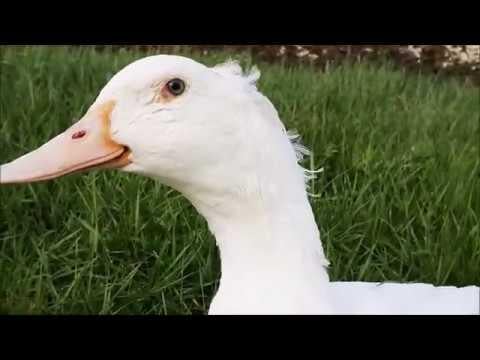
Duck’s Spring Moments!
Duck’s Spring Moments: A Symphony of Migration, Mating & Renewal
Spring breathes new life into wetlands, ponds, and rivers—and few creatures embody this seasonal magic like ducks! From dazzling courtship displays to the first fluffy ducklings, spring is a whirlwind of activity for these beloved waterfowl. Let’s explore the captivating world of “Duck’s Spring Moments” and how these birds transform waterways into scenes of vibrant rebirth.
Why Spring Is Critical for Ducks
Ducks are deeply attuned to seasonal shifts. As temperatures rise and ice thaws, they embark on journeys, build families, and reclaim habitats. Spring is a make-or-break season for survival, driven by three key pillars:
- Migration: Northward journeys to breeding grounds.
- Breeding: Courtship, nesting, and raising young.
- Habitat Renewal: Access to food-rich wetlands and ponds.
1. The Great Spring Migration: A Sky-Filled Spectacle
Ducks are master navigators. In early spring, species like Mallards, Teals, and Pintails leave wintering grounds in the south (like Mexico or the U.S. Gulf Coast) and fly thousands of miles to northern breeding sites in Canada, Alaska, or Europe.
Key Moments:
- Fueling Up: Ducks stop at “staging areas” (e.g., the Prairie Pothole Region) to feast on invertebrates and plants, gaining energy for breeding.
- Timing Is Everything: Arriving too early risks icy habitats; arriving late means missing prime nesting spots.
- Flocks in Formation: Watch for V-shaped skeins overhead—a classic sign of spring!
2. Courtship & Mating: Ducks in Love
Spring is duck dating season! Males (drakes) transform into living rainbows to woo females (hens). From head-bobbing dances to whistling calls, courtship rituals are a sight to behold.
Iconic Spring Behaviors:
- Plumage Power: Drakes molt into vibrant breeding feathers (e.g., the Wood duck’s iridescent teal crest).
- Quirky Displays: Northern Shovelers spin in circles; Hooded Mergansers flare their head crests like fans.
- Pair Bonding: Many ducks form seasonal pairs before nesting.
3. Nesting: The Art of Duck Parenthood
Once paired, hens seek secure nesting sites—often hidden in tall grasses, tree cavities, or islands. They line nests with down feathers for insulation and lay 5–15 eggs over days.
Nesting Challenges:
- Predators: Raccoons, foxes, and birds of prey target eggs.
- Weather: Sudden cold snaps or floods can destroy nests.
- Decoy Tactics: Hens may pretend to be injured to lure threats away from nests.
After 25–30 days of incubation, ducklings hatch—fluffy, mobile, and ready to swim within hours!
4. Spring Habitat Revival: Buffets & Nursery Zones
Healthy wetlands are the bedrock of duck survival. Spring rains replenish ponds, creating:
- Insect Buffets: Aquatic invertebrates feed ducklings.
- Plant Growth: Seeds and vegetation nourish adults.
- Shelter: Emergent reeds and grasses hide nests.
Threats to Watch:
Habitat loss and pollution threaten these critical ecosystems. Conservation efforts (like Ducks Unlimited projects) restore wetlands to support spring nesting.
How to Responsibly Enjoy Duck’s Spring Moments
- Keep Your Distance: Use binoculars to avoid disturbing nests.
- Leash Dogs: Prevent pets from chasing birds.
- Support Clean Water Initiatives: Healthy wetlands = healthy ducks!
- Plant Native: Garden with duck-friendly native plants near water edges.
FAQs: Ducks in Spring
Q: When do ducklings hatch?
A: Peak hatching occurs May–June in temperate regions.
Q: Do all ducks migrate?
A: No! Some, like urban Mallards, may stay year-round if food and open water exist.
Q: Why do male ducks leave after mating?
A: Drakes often abandon hens to molt, while females raise ducklings solo.
Final Quacks…
Spring is a fleeting, fragile window for ducks—a season of tireless journeys, fierce parenting, and the reward of new life. By protecting wetlands and observing respectfully, we ensure future generations witness the wonder of Duck’s Spring Moments. Next time you spot a duck pair gliding across a pond, remember: you’re watching a timeless dance of survival and renewal.
SEO Keywords: Duck behavior in spring, spring duck migration, duck mating season, nesting ducks, spring waterfowl, ducklings hatching, wetland conservation, bird watching tips.
Image Suggestions (for web use):
- Alt text: “Male Mallard duck in vibrant spring plumage swimming in pond.”
- Alt text: “Wood duck ducklings following mother through marsh grass.”
- Alt text: “Flock of ducks flying in V-formation during spring migration.”
Internal Linking Tip: Connect to related articles like “Best Wetlands for Birdwatching in Spring” or “How to Create a Duck-Friendly Backyard Pond.”