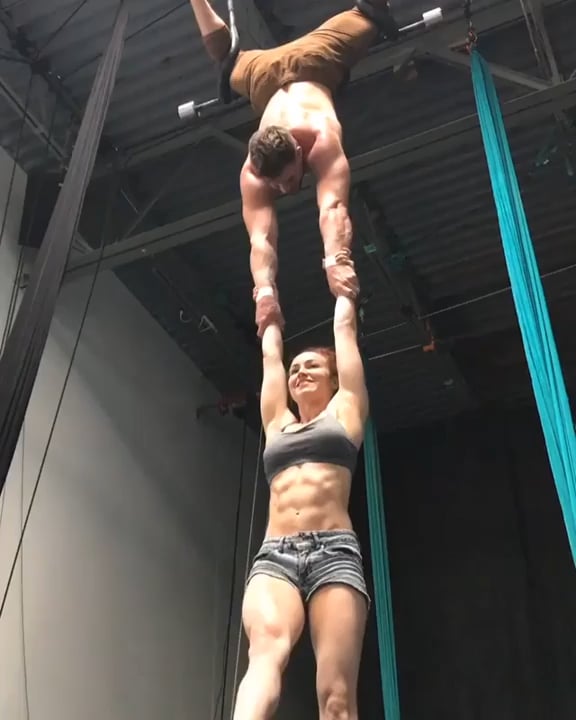
Duo trapeze
Unlocking the Art of Duo Trapeze: A Guide to Aerial Partnership & Performance
Introduction to Duo Trapeze: Where Trust Meets Flight
The world of aerial arts is filled with breathtaking disciplines, but few capture the essence of partnership and synchronization like duo trapeze. This exhilarating circus art involves two performers working in harmony on a single trapeze bar to create gravity-defying sequences of strength, flexibility, and artistry. Whether performed on static or flying trapeze, duo trapeze blends athleticism with emotional storytelling, making it a standout act in circus productions, festivals, and theatrical shows.
In this guide, we’ll explore what makes duo trapeze unique, its physical and emotional demands, and why it’s captivating audiences and aerialists worldwide—perfect for circus enthusiasts, performers, or anyone curious about this dynamic art form.
What Is Duo Trapeze?
Duo trapeze involves two performers (often mixed-gender pairs, but any combination) sharing a trapeze apparatus to execute synchronized movements. Unlike solo aerial acts, the discipline relies entirely on trust, communication, and impeccable timing to balance, fly, and support one another mid-air.
The apparatus itself typically consists of a horizontal metal or wooden bar suspended by ropes or cables from a rigging point. Performers may work on:
- Static Trapeze: A stationary bar close to the ground, ideal for controlled poses, drops, and intricate balances.
- Flying Trapeze: A swinging bar used for dynamic “catches,” releases, and high-flying tricks.
Key Elements of a Duo Trapeze Routine
1. Roles & Dynamics
- Base: The stronger partner who provides stability, grip support, and lifting power.
- Flyer: The partner who executes dynamic movements, flips, and poses, often relying on the base for propulsion.
Note: Roles can fluidly shift in advanced routines!
2. Signature Moves
- Balances & Poses: Slow-motion sculptural shapes that showcase strength and alignment.
- Drops & Falls: Heart-stopping moments where one partner releases into a controlled descent, caught by the other.
- Dynamic Transitions: Swings, rolls, and spinning sequences that highlight momentum.
- Acrobatic Interlocks: Twisted grips, foot-to-hand connections, and counterbalances requiring perfect coordination.
3. Emotional Storytelling
Duo trapeze is more than tricks—it’s a conversation between partners. Performances often depict themes like love, conflict, or liberation, amplified by music, costuming, and choreography.
Training for Duo Trapeze: Strength, Skill, and Synchronicity
Mastering duo trapeze demands rigorous training. Here’s what aspiring aerialists need:
1. Foundational Fitness
- Core & Upper Body Strength: Critical for lifts, holds, and stability.
- Flexibility: Improves line aesthetics and range of motion for wraps and poses.
- Endurance: Routines last 3–7 minutes, requiring sustained energy.
2. Partner Compatibility
- Trust-Building: Start with ground-based acrobatics (like hand-to-hand) before aerial work.
- Clear Communication: Verbal cues (“Ready?” “Go!”) and non-verbal signals (eye contact, breath syncing) prevent mishaps.
3. Safety First!
- Professional Rigging: Always work with certified instructors and riggers.
- Crash Mats & Spotters: Non-negotiable during learning phases.
- Progressive Skill Progression: Master basics (single-knee hangs, beats) before complex drops.
Why Learn Duo Trapeze? Benefits Beyond the Spotlight
- Deepens Trust & Communication – Requires vulnerability and mutual reliance.
- Builds Full-Body Strength – Engages muscles rarely used in ground workouts.
- Creative Expression – A unique blend of dance, theater, and athleticism.
- Community Connection – Join a vibrant global circus arts network.
Where to Experience Duo Trapeze
- Circus Schools: Look for studios offering partner aerial classes (e.g., NECCA in the U.S., École Nationale de Cirque in Montreal).
- Workshops & Festivals: Events like the Aerial Dance Festival or regional circus gatherings often feature duo training.
- Performance Venues: Cirque du Soleil, trapeze troupes, and contemporary circus shows regularly include duo acts.
Conclusion: The Sky’s the Limit for Duo Trapeze
Duo trapeze is more than an aerial discipline—it’s a celebration of human connection and the extraordinary feats possible when two people unite in motion. Whether you’re drawn to its athletic challenges, artistic potential, or the thrill of defying gravity with a partner, this art offers endless opportunities for growth and expression.
Ready to Take Flight? Search for “duo trapeze classes near me” to begin your journey, or watch iconic performances (like Cirque du Soleil’s KOOZA or Las Vegas’ Le Rêve) for inspiration. The trapeze bar awaits!
SEO Keywords Seamlessly Included:
Aerial duo trapeze, partner trapeze, circus arts training, flying trapeze pairs, acrobatic partnership, aerial silk duo, static trapeze, duo trapeze performance, circus school, trust-based aerial.
Boost your article’s reach by linking to related terms like “aerial silks,” “partner acrobatics,” or “circus fitness.”