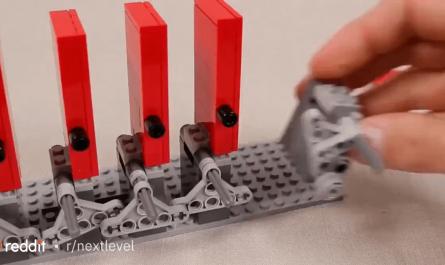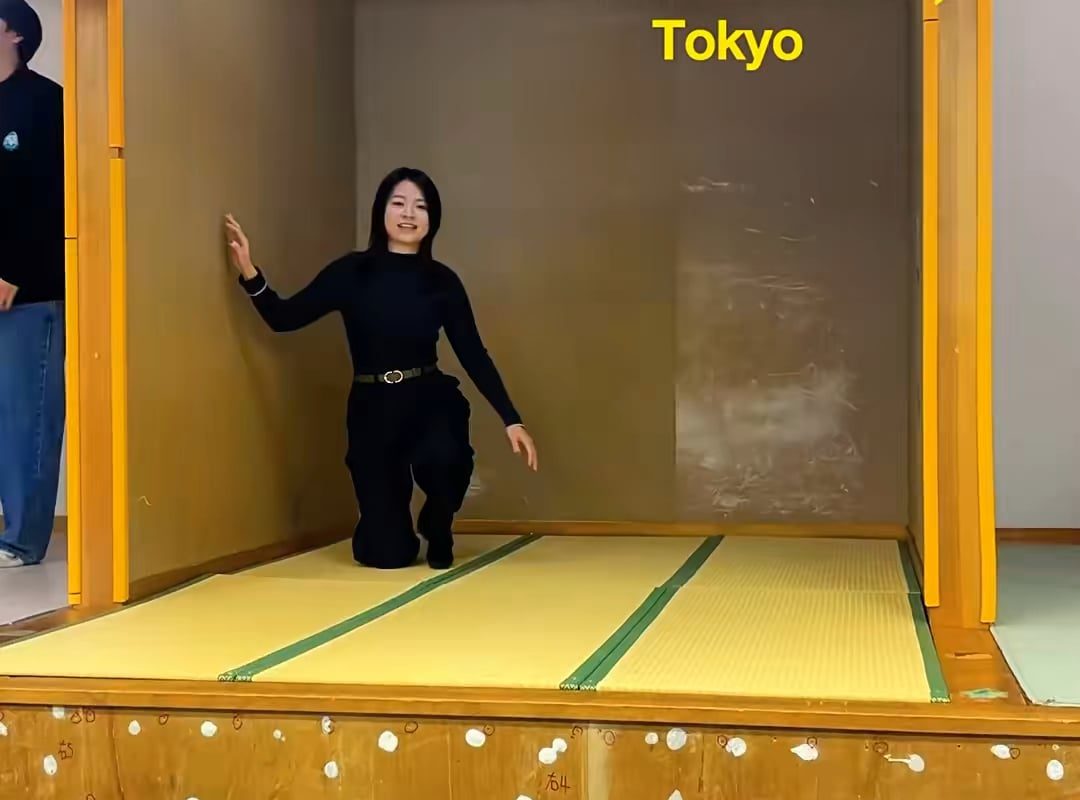
Earthquake simulator at the Earthquake and Science museum in Tokyo
Experience the Power of Nature: The Earthquake Simulator at Tokyo’s Earthquake and Science Museum
Tokyo, a city renowned for cutting-edge technology and rich culture, is also one of the most earthquake-prepared cities in the world. At the heart of this preparedness lies the Earthquake and Science Museum, a must-visit destination for travelers, families, and science enthusiasts. Its star attraction? A state-of-the-art earthquake simulator that lets you safely experience the raw power of temblors—and learn life-saving lessons in resilience.
In this guide, we’ll dive into what makes this simulator unforgettable, why it’s an essential Tokyo experience, and how to plan your visit.
Why Visit the Earthquake Simulator?
Japan sits on the volatile Pacific Ring of Fire, experiencing roughly 1,500 earthquakes yearly. The simulator at Tokyo’s Earthquake and Science Museum isn’t just a thrilling ride—it’s a masterclass in disaster education. Here’s what you can expect:
1. Feel Realistic Earthquake Tremors
Step into a replica of a traditional Japanese living room or kitchen, buckle into the simulator, and brace yourself. The platform reproduces famous historic quakes, such as:
- The Great Kanto Earthquake (1923): A catastrophic 7.9-magnitude event that reshaped Tokyo.
- The Tohoku Earthquake (2011): Experience the violent shaking of the 9.1-magnitude quake that triggered the Fukushima tsunami.
- Modern-Day Tremors: Simulate weaker, more frequent quakes (like magnitude 4–5) to practice rapid response.
The simulator’s hydraulics mimic side-to-side swaying, vertical jolts, and rolling motions, making the experience eerily authentic.
2. Learn Critical Survival Skills
After “surviving” the quake, interactive guides teach you how to:
- Drop, Cover, and Hold On: Protect yourself during shaking.
- Secure Your Home: Anchor furniture, install shatterproof film, and prepare emergency kits.
- Evacuate Safely: Navigate hazards like fallen debris or fires.
These lessons are delivered in Japanese and English, making the museum accessible to international visitors.
3. Understand Earthquake Science
The museum’s exhibits complement the simulator with:
- Seismograph displays: See real-time earthquake data from across Japan.
- Interactive models: Explore tectonic plate movements and liquefaction.
- History lessons: Discover how Tokyo rebuilt after past disasters.
What Else Does the Museum Offer?
Beyond the simulator, the museum immerses you in Japan’s relationship with natural disasters:
- Tsunami Simulator: Witness how destructive waves form and spread.
- Virtual Reality Experiences: Navigate post-quake scenarios in a digital environment.
- Kid-Friendly Zones: Hands-on experiments, disaster-themed games, and quizzes for younger visitors.
Visitor Information: Plan Your Trip
- Location: The Earthquake and Science Museum is in Tokyo’s Sumida Ward, near the iconic Tokyo Skytree.
- Access: 5-minute walk from Ryogoku Station (JR Sobu Line) or Oshiage Station (Hanzomon Line).
- Hours: Open Tuesday–Sunday, 9:30 AM–5:00 PM (closed Mondays and holidays).
- Admission: Adults ¥600 (~$4 USD), Children ¥300. Simulator access is included!
- Languages: English signage and pamphlets available; staff speak basic English.
Pro Tip: Combine your visit with nearby attractions like the Sumo Museum or Tokyo Skytree Observatory for a full day of exploration.
Why This Experience Matters
Japan’s earthquake preparedness has saved countless lives. The simulator isn’t designed to scare visitors—it empowers them. As climate change increases natural disasters globally, this museum offers universal lessons in resilience. Whether you’re a parent teaching kids safety or a traveler curious about geoscience, the Earthquake and Science Museum delivers awe-inspiring education.
FAQ: Tokyo Earthquake Simulator
Q: Is the simulator safe for children?
A: Yes! The museum encourages families to participate. Children under 4 may need parental assistance.
Q: Can I film or photograph the experience?
A: Photography is allowed in most exhibits but restricted during simulator rides for safety.
Q: How long does a visit take?
A: Allow 1.5–2 hours to explore the museum and simulator thoroughly.
Ready to shake things up? The Earthquake Simulator at Tokyo’s Earthquake and Science Museum is a pulse-pounding blend of education and adrenaline. Don’t just learn about earthquakes—feel them, understand them, and leave ready to face nature’s unpredictability.
Have you experienced the simulator? Share your thoughts in the comments below!
SEO Keywords: Earthquake simulator Tokyo, Tokyo Earthquake Museum, Earthquake and Science Museum, disaster preparedness Tokyo, hands-on museum Tokyo, family activities Tokyo, earthquake experience Japan, Tokyo Skytree nearby attractions.