Easy wok cleaning
Title: Effortless Wok Cleaning Hacks: Save Time & Protect Your Pan’s Seasoning
Meta Description: Discover quick, eco-friendly methods to clean your wok without damaging its seasoning. Say goodbye to stuck-on food with these foolproof tips!
Why Wok Cleaning Doesn’t Have to Be a Nightmare
Woks are kitchen heroes—ideal for stir-fries, steaming, and even deep-frying. But their curved shape and prized seasoning (that natural non-stick layer) can make cleaning seem daunting. Burned rice? Sticky sauces? No problem! With the right approach, your wok can stay spotless and last decades. Let’s debunk myths and dive into easy, sustainable cleaning strategies.
What You’ll Need (+ What to Avoid)
Gather these simple tools for stress-free cleaning:
- Soft sponge or bamboo brush: Gentle on seasoning.
- Hot water: Breaks down food residue.
- Coarse salt or baking soda: Natural abrasives.
- Paper towels or cloth: For drying.
- High-smoke point oil (e.g., avocado): To re-season.
🚫 Avoid: Harsh scrubbers (steel wool), soap (degrades seasoning over time), and dishwashers (promotes rust!).
3-Step Routine for Sparkling Clean Woks
1. Immediate Cleaning (Right After Cooking)
Don’t let food harden! While the wok is warm (not scalding):
- Pour 1–2 cups of hot water into the pan. Use a brush to loosen debris.
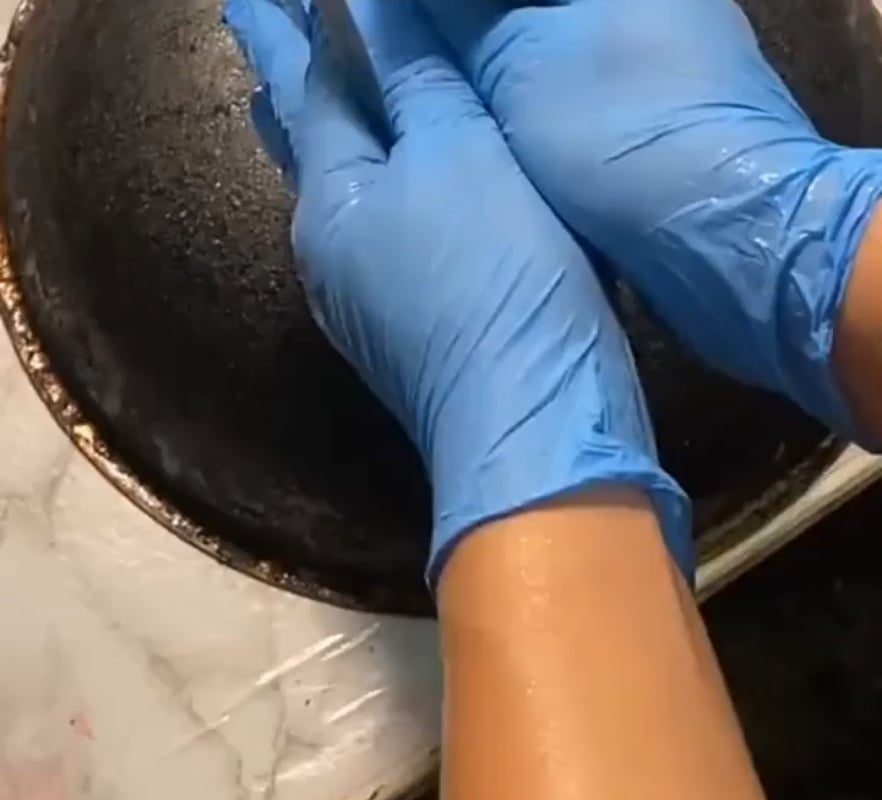
- For stubborn bits, add 1 tbsp salt or baking soda and scrub in circular motions.
- Rinse thoroughly and dry completely over low heat.
✔️ Pro Tip: Deglaze with water while cooking to make cleanup even easier.
2. Deep Cleaning for Neglected Woks
Accidentally left food overnight? Try this:
- Fill the wok with water + 1 tbsp baking soda. Boil for 5–10 minutes.
- Scrape gently with a wooden spatula to lift burnt bits.
- Rinse and dry as above. No scrubbing required!
3. Dry & Protect Against Rust
Moisture is a wok’s enemy! Always:
- Heat the dried wok on the stove for 1–2 minutes to evaporate water.
- Apply a thin coat of oil with a paper towel.
- Store in a dry place, away from humidity.
💡 Note: A well-seasoned wok develops a dark patina—don’t scrub it off!
Troubleshooting Common Wok Problems
- Rust spots? Scrub lightly with vinegar + salt, rinse, dry, and re-season.
- Lost its non-stick shine? Re-season by heating oil until smoking, then wiping off excess. Repeat monthly.
- Persistent odors? Boil water with lemon peels or ginger slices.
Prevention: Keep Your Wok “Non-Stick” Forever
- ✔️ Pre-heat properly: A hot wok prevents sticking.
- ✔️ Use enough oil: Critical for delicate foods like eggs.
- ✔️ Cook acidic sauces sparingly: Tomato or vinegar-based dishes can strip seasoning—re-oil afterward.
FAQs About Wok Cleaning
Q: Can I use soap on my wok?
A: For new or heavily soiled woks, a drop of mild soap is okay—just rinse ASAP and re-season. Avoid regular use.
Q: Why does my wok smoke when I oil it?
A: Normal! High-heat oils (avocado, grapeseed) polymerize to build seasoning.
Q: How often should I deep-clean?
A: Only when food sticks badly. Daily cleaning should be quick and soap-free.
Final Thoughts
Cleaning a wok isn’t about perfection—it’s about preserving its natural non-stick magic. Embrace these fast, chemical-free methods, and your wok will reward you with decades of delicious meals. Ready to cook? Get sizzling, then let cleanup be a breeze!
Tags: #WokCare #NonStickWok #EcoCleaning #KitchenHacks #CookwareMaintenance
Enjoyed these tips? Share your favorite wok recipes with us below! 🍳