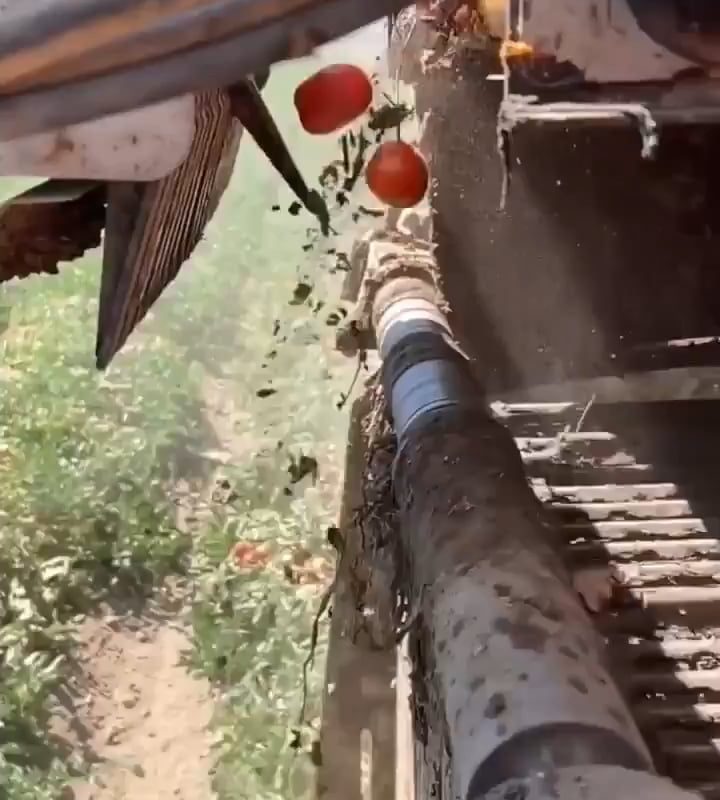
Electronic sensor sorts tomatoes and removes debris
Electronic Sensor Sorts Tomatoes and Removes Debris: Revolutionizing Agri-Food Processing
In the fast-paced world of agriculture and food processing, efficiency, accuracy, and quality control are paramount. Recent advancements in automation and sensor technology have led to groundbreaking innovations, such as electronic tomato sorting systems that automatically detect, grade, and remove debris from harvested tomatoes. This cutting-edge solution minimizes waste, reduces labor costs, and ensures consistent product quality—transforming how tomatoes move from farms to tables.
How Electronic Tomato Sorting Works
Modern electronic tomato sorters leverage a combination of computer vision, spectroscopy, and AI-driven algorithms to analyze each tomato in real time. Here’s a step-by-step breakdown of the process:
- Feeding System: Tomatoes are loaded onto a conveyor belt, where they’re separated and spaced for individual inspection.
- Sensor Scanning: High-resolution cameras and near-infrared (NIR) sensors scan each tomato to assess:
- Size, shape, and color uniformity
- Surface defects (bruises, cracks, mold)
- Internal quality (ripeness, sugar content, watercore)
- Debris Detection: Foreign materials like leaves, stems, rocks, or soil are identified via spectral analysis and removed instantly.
- AI-Powered Sorting: Machine learning algorithms classify tomatoes based on pre-set criteria (e.g., premium, processing, or discard).
- Automated Removal: Defective tomatoes and debris are ejected using targeted air jets or mechanical arms.
- Grading & Packaging: Sorted tomatoes are routed to bins for retail, sauces, or juices based on quality tiers.
Key Components of Advanced Tomato Sorting Systems
1. Computer Vision Cameras
- Capture 360-degree images at high speeds (up to 20 tomatoes per second).
- Detect external flaws invisible to the naked eye.
2. Hyperspectral/NIR Sensors
- Penetrate the fruit’s surface to analyze internal composition (e.g., sugar levels, firmness).
- Differentiate between organic matter and inorganic debris (e.g., plastic, stones).
3. AI & Machine Learning
- Self-improving algorithms reduce false positives/negatives over time.
- Customizable sorting parameters for regional standards or buyer requirements.
4. Robotic Ejection Systems
- Precision air or mechanical ejectors remove defective produce with minimal disruption.
Benefits of Automated Tomato Sorting
✅ Enhanced Efficiency
- Processes thousands of tomatoes per hour vs. manual labor, slashing processing time by 70-90%.
✅ Superior Quality Control
- Achieves 99% accuracy in defect detection, ensuring only high-grade tomatoes reach consumers.
✅ Waste Reduction
- Prevents usable tomatoes from being discarded alongside debris, cutting food waste by up to 30%.
✅ Cost Savings
- Lowers reliance on manual labor (a critical advantage amid labor shortages).
AMinimizes recalls by eliminating foreign contaminants early.
✅ Consistency & Traceability
- Generates data logs for each batch, improving supply chain transparency and compliance.
Applications in the Agri-Food Industry
This technology isn’t limited to tomatoes—similar systems are used for:
- Fresh Produce: Peppers, apples, potatoes, citrus fruits.
- Processing Facilities: Sauce, paste, and canned food production lines.
- Vertical Farms & Packers: Ensuring premium quality for retail distribution.
The Future of Tomato Processing
As agri-tech evolves, expect integration with IoT-enabled platforms for remote monitoring and predictive maintenance. Hybrid systems combining electronic sensors with soft robotics will further optimize handling delicate produce. Meanwhile, falling costs of AI hardware will make this tech accessible to small and mid-sized farms.
FAQs About Electronic Tomato Sorting
Q: Can this system handle different tomato varieties?
A: Yes! Algorithms can be programmed to recognize cherry, beefsteak, heirloom, or Roma tomatoes.
Q: Is it suitable for organic farming?
A: Absolutely. The non-invasive process complies with organic standards, and debris removal prevents contamination.
Q: How does it impact employment in agriculture?
A: While manual sorting jobs may decline, new roles in tech maintenance, data analysis, and oversight will emerge.
Q: What’s the ROI for investing in this technology?
A: Most farms recover costs within 1-2 years via reduced waste, higher yields, and premium pricing for sorted produce.
Embrace the Future of Farming
Electronic tomato sorting systems represent a giant leap forward for sustainable agriculture. By automating quality control and debris removal, producers can maximize profits, reduce environmental impact, and deliver flawless tomatoes to global markets. As this technology scales, it promises to reshape food security and freshness standards for generations to come.
SEO Keywords: Tomato sorting technology, electronic sensor for agriculture, automated debris removal, AI in food processing, computer vision sorting, sustainable farming technology, quality control in agriculture, NIR sensors for tomatoes, reduce food waste, agricultural automation solutions.