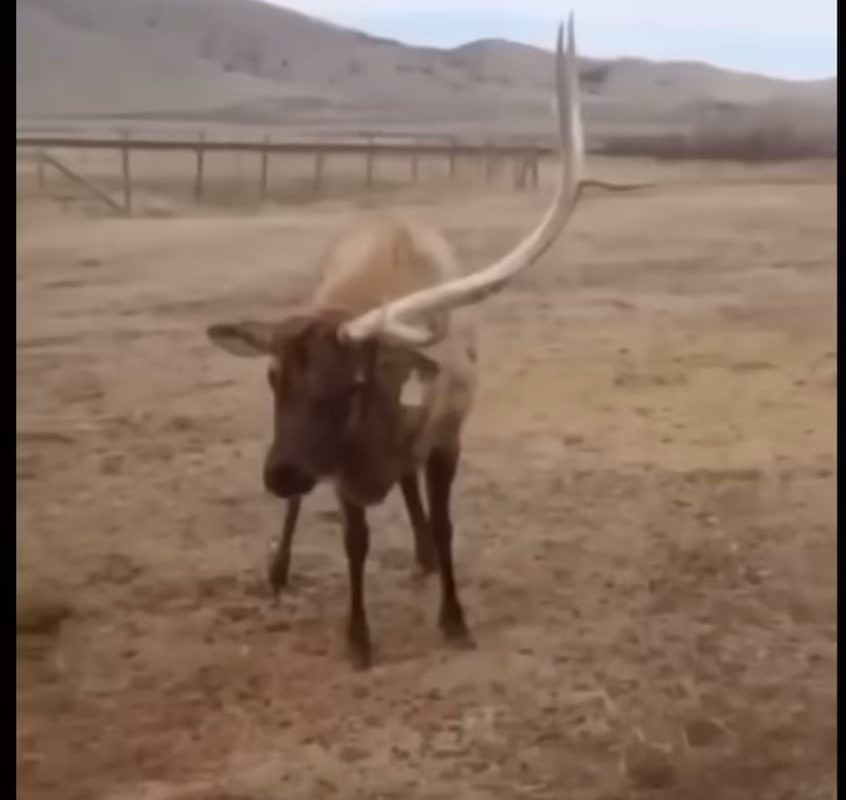
Elk naturally shedding one Antler!
Title: Elk Shedding Antlers: The Fascinating Natural Process Behind Nature’s Seasonal Spectacle
Meta Description: Discover why elk shed their antlers each year, how the process unfolds, and the role of antlers in elk biology—a deep dive into one of nature’s most curious cycles.
Elk Shedding One Antler: Nature’s Astonishing Cycle Explained
Elk (Cervus canadensis), majestic giants of North American and Eurasian wilderness, are famous for their towering antlers. But did you know these impressive appendages aren’t permanent? Every year, male elk—also known as bulls—naturally shed their antlers, sometimes losing them one at a time. This phenomenon is a blend of biology, timing, and survival strategy. Here’s everything you need to know about why and how it happens.
Why Do Elk Shed Their Antlers?
Antlers are temporary structures grown primarily by male elk (though rare cases of females growing them exist). Unlike horns, which are permanent, antlers serve a seasonal purpose: breeding dominance. During the fall rut, bulls use their antlers to compete for mates. But once mating season ends, high testosterone levels drop, triggering antler detachment.
The shedding process is driven by biology:
- Hormonal Changes: Declining testosterone prompts cells called osteoclasts to break down the bone tissue connecting the antler to the pedicle (the base on the elk’s skull).
- Energy Conservation: Antlers weigh 15–40 lbs (7–18 kg). Shedding them allows elk to conserve energy for surviving harsh winters.
- New Growth: Shedding clears the way for a fresh set of antlers in spring, which regrow larger each year.
Why Do Elk Sometimes Shed One Antler First?
It’s common for elk to shed one antler days or even weeks before the other. This asymmetry isn’t a cause for concern—it’s part of the natural process! The detachment depends on:
- Pedicle Sensitivity: Small differences in bone reabsorption between pedicles.
- Physical Stress: Uneven pressure from rubbing, fighting, or even incidental bumps against trees.
- Hormonal Timing: Subtle variations in testosterone reduction on either side of the skull.
Elk briefly enter a “unicorn” phase with a single antler before the second drops. If you spot a one-antlered bull in late winter, you’re witnessing nature in action!
When Does Antler Shedding Happen?
Timing varies by region, age, and elk health:
- Northern Climates: January–March (post-rut, before spring green-up).
- Milder Regions: December–February.
Older bulls shed earlier, as their testosterone drops faster. Younger elk may retain antlers into April.
The Lifecycle of an Antler
- Growth (Spring–Summer): Covered in nutrient-rich “velvet,” antlers grow rapidly—up to 1 inch per day!
- Hardening (Late Summer): Blood flow ceases, velvet sheds, revealing bone.
- Breeding Utility (Fall): Used for displays and combat.
- Shedding (Winter): Antlers drop when their purpose is fulfilled.
Why Shed Antlers Matter to Ecosystems
Shed antlers are more than just curiosities—they play a vital ecological role:
- Calcium Source: Rodents, foxes, and even deer gnaw on antlers for minerals.
- Habitat Creation: Antlers provide shelter for insects and nesting material for birds.
- Human Connection: “Shed hunting” is a popular activity, though always practice ethical collection (check local regulations!).
FAQs About Elk Antlers
Q: Does shedding hurt the elk?
A: No! The process is painless thanks to the bone reabsorption that loosens antlers naturally.
Q: Do all elk shed their antlers?
A: Only bulls shed annually. Cows (females) rarely grow antlers and keep them if they do.
Q: How fast do antlers regrow?
A: A full set regrows in 3–4 months during spring/summer, fueled by high-protein diets.
Spotting Shed Antlers in the Wild
For wildlife enthusiasts, shed hunting offers a thrilling treasure hunt. Follow these tips:
- Timing: Late winter to early spring.
- Location: Focus on feeding areas, bedding sites, or fence crossings where antlers may dislodge.
- Ethics: Respect wildlife habitats; avoid stressing animals during critical survival months.
Conclusion: The Wonder of Nature’s Renewal
Elk shedding their antlers—whether one or both—is a testament to nature’s cyclical wisdom. This process ensures bulls are ready for the next breeding season with stronger, larger antlers while nourishing ecosystems in the interim. From hormones to habitat, it’s a story of survival, adaptation, and the quiet beauty of the wild.
Pro Tip: Share your shed antler finds (or photos!) with local wildlife agencies to contribute to elk population studies!
Target Keywords: elk shedding antlers, why do elk shed antlers, antler shedding process, elk with one antler, shed hunting tips, elk biology
Internal/External Linking Opportunities:
- Link to resources on elk conservation (e.g., Rocky Mountain Elk Foundation).
- Connect to articles about antler growth cycles or wildlife tracking guides.
By blending science with awe, this article educates readers while inviting them to appreciate one of nature’s most understated marvels. 🌿🦌