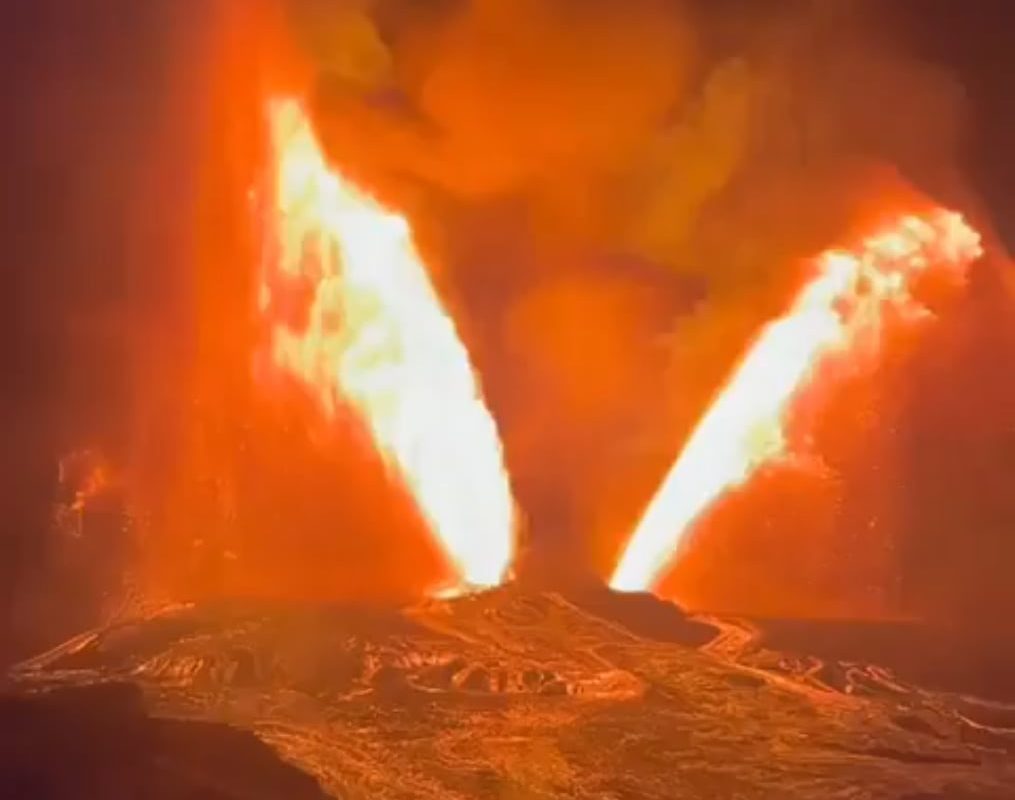
Eruption of Kilauea Volcano
Title: Kilauea Volcano Eruption: History, Hazards, and How to Stay Informed
Meta Description: Explore the latest updates on the Kilauea Volcano eruption, its historical significance, safety tips, and the science behind this awe-inspiring natural phenomenon.
Introduction to Kilauea: Hawaii’s Most Active Volcano
Kilauea, located on Hawaiʻi’s Big Island, is one of the world’s most active and closely monitored volcanoes. Part of the Hawaiian-Emperor seamount chain, Kilauea has been erupting almost continuously since 1983, reshaping landscapes, destroying communities, and captivating scientists and tourists alike. Its most destructive recent eruption occurred in 2018, but activity resurged dramatically in late 2020 and continues into 2024, with lava fountains, toxic gases, and new fissures making headlines.
In this article, we delve into the science, history, and real-time updates surrounding Kilauea’s eruptions—plus essential safety advice for those planning to visit Hawaiʻi Volcanoes National Park.
Latest Eruption Updates (2023–2024)
Kilauea reawakened in September 2023, with lava flows emerging from Halemaʻumaʻu Crater. This eruption paused in March 2024 but restarted with vigor in June 2024. Key highlights:
- Location: Activity is concentrated in Kīlauea’s summit caldera, within Hawaiʻi Volcanoes National Park.
- Hazards: Volcanic gases (like sulfur dioxide), ground cracks, and vog (volcanic smog) pose risks to air quality.
- Viewing Opportunities: Lava lake formations and nighttime glow attract visitors, though trails may close for safety.
Stay updated via the USGS Hawaiian Volcano Observatory (HVO).
Historical Context: Eruptions That Shaped the Island
Kilauea’s eruptions are woven into Hawaiian culture and geology:
- 1983–2018 Puʻu ʻŌʻō Eruption: A 35-year eruption dramatically expanded the island’s southeastern coast, destroying over 700 homes in 2018 alone.
- 2018 Lower Puna Eruption: Lava flows reached the ocean, displacing thousands and creating new landforms like the now-famous “Fissure 8.”
- 2020–2023 Summit Collapses: A series of explosive eruptions refilled Halemaʻumaʻu Crater with a 750-foot-deep lava lake.
These events highlight Kilauea’s dual role as both creator and destroyer in Hawaiian lore.
Science Behind the Eruption
Kilauea is a shield volcano, where lava flows form gently sloping terrain. Its activity stems from the Pacific Plate moving over the Hawaiian hotspot—a mantle plume supplying molten rock (magma) to the surface. Key processes include:
- Magma Migration: Underground pathways channel magma from reservoirs to vents.
- Effusive vs. Explosive Eruptions: Kilauea typically has slow-moving lava flows (effusive), but water interaction can trigger steam-driven explosions.
- Deformation Monitoring: Scientists use GPS, drones, and thermal cameras to predict eruptions by tracking ground swelling and gas emissions.
Environmental & Community Impacts
Kilauea’s eruptions ripple far beyond the volcano:
- Air Quality: Vog triggers respiratory issues across Hawaiʻi.
- Land Changes: New black sand beaches form as lava meets the ocean.
- Cultural Loss: Sacred sites, like the Wao Kele O Puna forest, have been buried.
- Economic Effects: Tourism booms during calm periods but halts during major eruptions.
Communities like Pahala and Volcano Village adapt to life amid volcanic unpredictability.
Safety Tips for Visitors
If visiting Hawaiʻi Volcanoes National Park during unrest:
✅ Check USGS HVO alerts (Volcano Notification Service) before traveling.
✅ Follow posted closures—don’t cross barriers near active lava.
✅ Wear sturdy shoes, N95 masks (for vog), and carry water.
✅ Avoid toxic laze plumes where lava enters the ocean.
Note: Eruptions can escalate rapidly; always prioritize official guidance.
Future Outlook & Research
Predicting Kilauea’s next move remains challenging, but innovations like AI-based seismic analysis and satellite gas detection improve forecasting. Long-term risks include:
- Larger summit explosions if groundwater interacts with magma.
- Possible reactivation of East Rift Zone vents.
Ongoing research aims to balance risk mitigation with preserving access to this geological wonder.
Conclusion: Witnessing Nature’s Power Responsibly
Kilauea reminds us of Earth’s incredible dynamism. Whether you’re a scientist, resident, or traveler, understanding its patterns ensures safer, more meaningful encounters. Bookmark the USGS HVO website for real-time advisories and witness volcanic history in the making.
Call to Action:
🔔 Subscribe to USGS volcano alerts here.
📸 Tag your Kilauea photos responsibly—avoid drones in restricted areas!
Keywords for SEO: Kilauea Volcano eruption, Hawaii volcano update, Kilauea 2024 activity, volcanic hazards, Hawaii Volcanoes National Park, vog safety, Halemaʻumaʻu Crater, USGS volcano monitoring.
By combining real-time data, historical insights, and practical tips, this guide empowers readers to engage with Kilauea’s story safely and informatively. 🌋