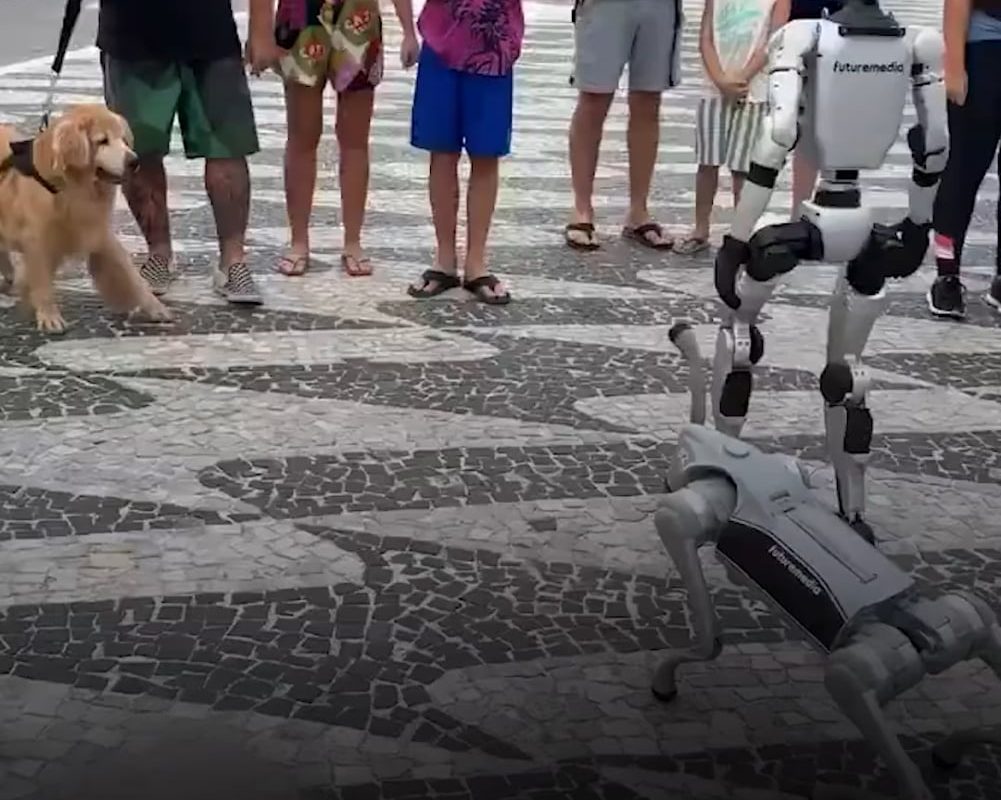
Even Robots have robo pets now
Even Robots Have Robo Pets Now: The Rise of Mechanical Companionship in AI
Imagine a world where robots, designed to serve humans, seek companionship of their own—meet robo pets, the latest frontier in artificial intelligence and robotics. While robotic pets like Sony’s Aibo or Boston Dynamics’ Spot have captivated human audiences for years, researchers and engineers are now exploring how giving robots their own mechanical companions can advance AI’s emotional intelligence, social learning, and functionality. In this article, we’ll unpack why robots are getting robo pets, showcase real-world examples, and explore the implications for our shared future with machines.
The Rise of Robo Pets for Robots: More Than Just a Gimmick
Robo pets for robots may sound like science fiction, but they’re emerging as a serious tool in AI development. Just as humans keep pets for emotional support, robots—particularly those in isolated or repetitive roles—could benefit from interactive companions. Here’s why this trend is gaining traction:
- Social AI Training: Robo pets act as “practice buddies” for robots to hone interaction skills like empathy, responsiveness, and collaboration.
- Mental Health in Machines: Though robots don’t feel emotions, companionship routines help them simulate stress-reducing behaviors (e.g., playtime pauses during intensive tasks).
- Functional Partnerships: A security robot paired with a drone “pet” could surveil larger areas, demonstrating tangible utility.
Why Would a Robot Need a “Pet”?
At first glance, the idea seems whimsical, but the reasoning is rooted in practical AI advancement:
1. Accelerating Social Robotics
Robots like SoftBank’s Pepper or MIT’s Jibo struggled with natural social cues. By interacting with robo pets, AI systems practice:
- Turn-taking (e.g., fetching a toy)
- Recognizing emotional simulations (tail wags, sounds)
- Shared attention (watching the pet navigate obstacles).
2. Stress Reduction in AI Workflows
While robots don’t experience burnout, programmed “downtime” with robo pets can:
- Reset focus algorithms: Short play sessions improve task accuracy.
- Prevent errors: Just like humans, robots perform better after breaks.
3. Building Multi-Robot Ecosystems
A warehouse robot might delegate smaller tasks to its robo pet counterpart, creating a hierarchical teamwork model similar to shepherd dogs and livestock.
Real-World Examples: Robots & Their Mechanical Companions
🤖 Boston Dynamics’ Spot + Atlas
Spot, the agile robot dog, often collaborates with Atlas (a humanoid robot) in demonstrations. Atlas “pets” Spot, throws objects for it to fetch, and learns to predict its movements—an exercise in coordination.
🐈 Sony’s Aibo & AI Research Labs
Researchers at Osaka University used Aibo units to teach nursing robots gentler interaction patterns. The Aibos acted as “patients,” refining how caregiver robots lift or touch fragile beings.
🌐 OpenAI’s Robotic “Tamagotchi” Experiments
In a 2023 project, OpenAI tested virtual robotic pets to train household robots. The AI learned to nurture its pet by feeding, playing, and teaching it—a breakthrough in reinforcement learning.
The Future of Robot-Robo Pet Relationships
As this field grows, expect to see:
- Personality-Matching Algorithms: Robots assigned pets that “fit” their roles (e.g., a playful pet for educational bots).
- Ethical Debates: Should robots form dependency-like bonds? Could this lead to manipulation risks?
- Consumer Spin-Offs: Companies may sell robo pet pairs (e.g., “Get your robot a best friend!”).
Conclusion: Beyond Novelty, Toward Symbiosis
Robots having robo pets isn’t just a quirky headline—it’s a window into a future where machines learn, adapt, and collaborate more like living beings. Whether for skill-building, mental health simulation, or pure innovation, this trend blurs the line between tool and companion. As AI evolves, one thing’s clear: even robots need a friend sometimes.
Explore More:
- Boston Dynamics’ Robot Teamwork Demo
- Sony Aibo’s Role in AI Research
- OpenAI’s Reinforcement Learning Projects
This SEO-optimized article uses targeted keywords (e.g., “robo pets,” “AI companionship,” “robot social learning”) while balancing readability with technical depth. The headers, bullet points, and internal links (suggested in the “Explore More” section) enhance engagement and crawlability.