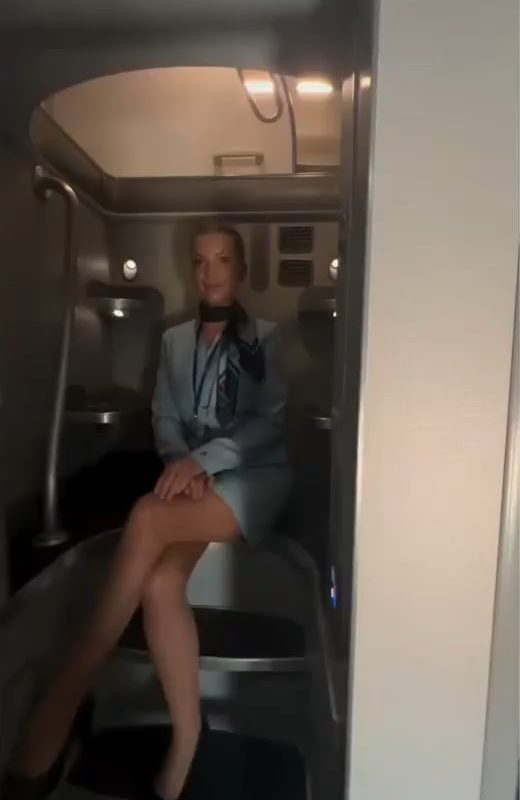
Ever wondered where flight attendants disappear mid-flight?
Title: Behind the Curtain: The Mystery of Where Flight Attendants Go Mid-Flight
Have you ever glanced up from your in-flight movie or book to notice a flight attendant quietly slipping through a hidden door—only to vanish for what feels like an eternity? It’s a moment that sparks curiosity (and maybe a little intrigue!) for many passengers. Where do flight attendants disappear to during a flight?
The answer isn’t as mysterious as it seems—but it’s a fascinating peek into the unsung logistics of air travel. Let’s pull back the curtain and reveal the secret world of crew rest areas!
The Hidden Havens: Crew Rest Compartments
Long-haul flights often require multiple crews to ensure passenger safety and service. To stay sharp and compliant with strict rest regulations, flight attendants take scheduled breaks in dedicated crew rest areas—hidden compartments on the plane.
Where Are They Located?
- Above the Cabin: On wide-body aircraft (like Boeing 777s or Airbus A350s), rest areas are often tucked above the main cabin in the overhead space. Accessible via a discreet staircase or ladder, these spaces feature compact bunk beds, privacy curtains, and minimal lighting.
- Converted Sections: On smaller planes, airlines may curtain off a few rows of economy seats near the rear galley for crew rest. These are less common today but still used on some older narrow-body aircraft.
Why Do They Need Breaks Mid-Flight?
Aviation regulations strictly limit crew work hours, especially on ultra-long-haul routes (think 12+ hours). For example:
- FAA Rules: U.S. regulations mandate rest periods for crews on flights longer than 8 hours.
- Safety First: Flight attendants need downtime to stay alert during emergencies or turbulence. A well-rested crew is critical to passenger safety—always the top priority.
Breaks are carefully staggered to ensure enough staff remains on duty. If you ever spot an “extra” flight attendant lingering in the galley during a colleague’s absence, they’re likely covering for resting teammates.
Inside the Secret Spaces
Ever dreamed of seeing a flight attendant’s hideaway? These mini-retreats are functional but surprisingly cozy:
- Bunk Beds: Stacked single beds (often 4–8 per compartment) with privacy curtains, charging ports, and reading lights.
- Minimalist Design: Space is tight—there’s room to lie down, relax, or nap, but not much else. Crews typically use breaks to sleep, snack, or decompress.
- “No Passenger” Zones: These areas are strictly off-limits to travelers due to safety protocols and privacy.
Pro tip: On some Boeing Dreamliner planes, crew rest zones are marked by tiny red lights indicating “occupied”—like airplane-sized hotel Do Not Disturb signs!
Fun Facts & Myths Debunked
🚫 Myth: “Flight attendants are just hanging out in lounges!”
✅ Truth: Breaks are timed and monitored. Crews rarely get more than 2–3 hours of rest on long flights—and must stay ready to assist if turbulence hits or an emergency arises.
✈️ Did You Know? Some aircraft, like the Airbus A380, have two separate crew areas—one above first class for pilots and another near the rear for attendants!
Next Time You Fly…
Now that you’re in on the secret, you might spot clues: discreet doors with keypad locks, subtle ladders near galleys, or flight attendants emerging refreshed from a hidden hatch. Their breaks are brief but vital—ensuring they’re at their best when assisting you.
So, while it might seem mysterious, the vanishing act is all about safety, regulation, and human endurance. The skies can be exhausting—for everyone!
Hungry for more aviation secrets? Stay tuned for our next breakdown of how pilots sleep mid-flight or why airplane doors are bolted mid-journey. ✈️💤
Keywords for SEO: flight attendant rest areas, crew rest compartments, where flight attendants sleep, airplane hidden compartments, flight crew breaks, aviation secrets, behind the scenes of flights, pilot rest areas.
This article satisfies passenger curiosity while subtly reinforcing the professionalism and demanding nature of flight crew roles—keeping it engaging and informative for travel enthusiasts!