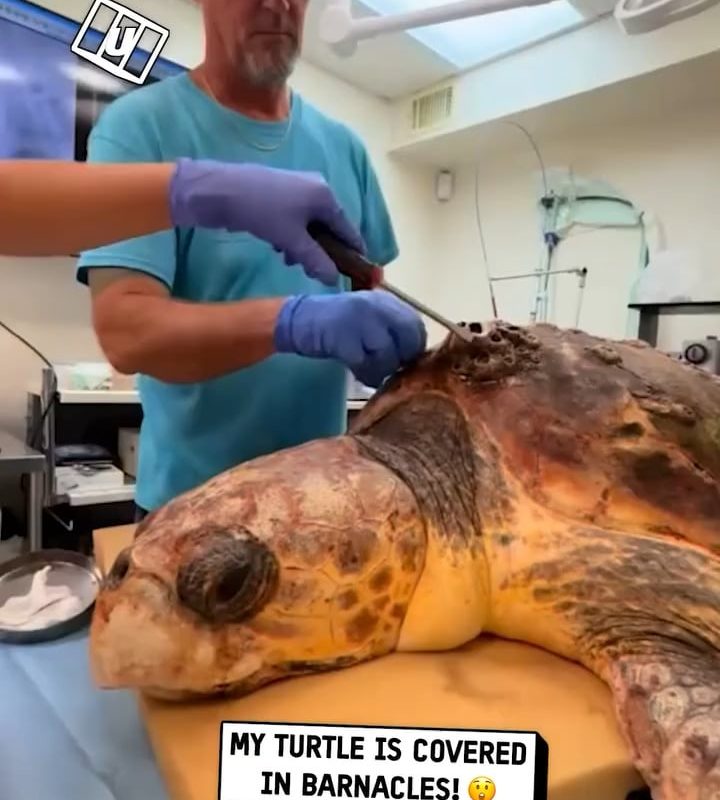
Expert barnacle removal on a sea turtle
Title: Expert Barnacle Removal on Sea Turtles: Why, How, and Why Leave It to the Professionals
Meta Description: Learn why barnacles are harmful to sea turtles, how expert removal saves lives, and why untrained intervention can do more harm than good. Protect marine wildlife responsibly.
Sea turtles are majestic creatures that glide through our oceans, playing vital roles in marine ecosystems. However, their slow movement and hard shells make them prone to barnacle infestations—a problem that can threaten their health and survival. While removing barnacles from sea turtles may seem like a simple act of kindness, untrained efforts can cause severe injury or even death. This guide explores why barnacles attach to turtles, when removal is necessary, and why expert intervention is the only safe solution.
Why Do Barnacles Attach to Sea Turtles?
Barnacles are crustaceans that settle on hard surfaces, including rocks, ship hulls, and turtle shells. Turtles become ideal hosts because:
- Slow Movement: Barnacles prefer stationary or slow-moving surfaces for easy feeding.
- Shell Composition: A turtle’s keratin-based shell provides a durable anchor.
- Natural Occurrence: Light barnacle coverage is harmless and even normal in marine life.
However, excessive barnacle growth becomes dangerous when it:
- Hinders swimming, leading to exhaustion.
- Blocks eyes, nostrils, or cloaca (waste expulsion opening).
- Creates open wounds vulnerable to infection.
The Dangers of Non-Expert Barnacle Removal
Well-meaning beachgoers often try to pry barnacles off stranded turtles with knives, screwdrivers, or bare hands. This is deeply harmful because:
- Turtle shells are living tissue: Scratching or scraping damages the shell’s protective layer.
- Bleeding risk: Barnacles burrow deep; forced removal tears skin and invites infections.
- Stress: Handling causes shock, worsening the turtle’s condition.
Only trained marine biologists or wildlife rescuers have the tools and expertise to perform safe barnacle removal.
How Experts Safely Remove Barnacles
Licensed turtle rescue centers follow strict protocols during barnacle removal:
1. Health Assessment
- Veterinary exam: Checking for dehydration, malnutrition, or injuries.
- Sedation (if needed): Minimizing stress for severely distressed turtles.
2. Gentle Barnacle Removal
- Specialized tools: Plastic scrapers or wooden spatulas prevent shell damage.
- Antiseptic treatment: Disinfecting wounds with iodine or marine-safe solutions.
- Partial removal: Leaving deeply embedded barnacles to avoid tissue damage.
3. Rehabilitation & Release
- Hydration & nutrition: Rehabilitating weak turtles with fluids and food.
- Observation: Ensuring mobility and recovery before release.
When Should Barnacles Be Removed?
Not all barnacles require intervention. Experts step in only if:
✅ The infestation blocks vision, breathing, or movement.
✅ Open wounds or infection are present.
✅ The turtle is stranded, unable to swim, or visibly distressed.
Never attempt removal if the turtle is active in the water! Barnacles fall off naturally on healthy turtles.
Preventing Barnacle Overgrowth in Wild Turtles
While we can’t stop natural barnacle attachment, human actions worsen infestations:
- Pollution: Chemical runoff weakens turtles’ immune systems.
- Fishing gear: Entanglement limits mobility, speeding barnacle growth.
- Boat strikes: Injured shells attract more barnacles.
How to help:
- Report stranded turtles to wildlife authorities (never move them yourself).
- Support beach cleanups and ocean conservation groups.
- Reduce plastic use to protect marine habitats.
FAQs About Barnacle Removal on Sea Turtles
Q: Can barnacles kill a sea turtle?
A: Indirectly, yes. Overgrowth starves or drowns turtles by hindering feeding/swimming.
Q: Is removing barnacles illegal?
A: In many countries, handling protected wildlife without authorization is illegal and punishable.
Q: Why don’t pros use metal tools?
A: Metal scrapers crack shells. Licensed teams use softer, non-abrasive materials.
Q: Do barnacles hurt turtles?
A: Excessive barnacles cause pain by tearing skin and inviting parasites.
Conclusion: Protect Sea Turtles Ethically
Barnacle removal is a life-saving act—but only when done by experts. Untrained handling risks further injury, legal penalties, and even death for these endangered animals. If you encounter a distressed turtle, immediately contact wildlife professionals like Sea Turtle Conservancy, WWF, or local marine rescue networks.
By supporting ethical conservation efforts and spreading awareness, we give sea turtles a fighting chance to thrive in their natural habitats.
Call to Action:
Share this article to educate others! Support marine rescue centers through donations or volunteering. Together, we can safeguard our oceans’ gentle giants.
Target Keywords:
- Barnacle removal on sea turtles
- How to remove barnacles from turtles
- Sea turtle barnacle infestation
- Professional turtle rescue
- Marine wildlife conservation
Note: This content is optimized for SEO with keyword placement, readability, and structured headers. Always consult local wildlife authorities before interacting with marine animals.