Exploring the Inside of a Glacier
Meta Title: Inside a Glacier: Discover the Hidden World of Ice Caves & Glacial Formations
Meta Description: Journey into the heart of glaciers! Learn about ice caves, glacial anatomy, safety tips, and best destinations for exploring the surreal interiors of these icy giants.
Exploring the Inside of a Glacier: A Journey into Nature’s Frozen Labyrinth
Glaciers are more than just vast rivers of ice—they are dynamic, living landscapes with hidden worlds inside. Venturing into a glacier’s interior reveals turquoise ice caves, labyrinthine tunnels, and crystalline chambers that defy imagination. From Iceland’s Vatnajökull to Alaska’s Mendenhall Glacier, explorers and scientists alike are drawn to these ethereal realms. This guide uncovers what lies inside a glacier, how these structures form, and how you can safely witness their beauty firsthand.
What’s Inside a Glacier? Anatomy of an Ice Giant
Glaciers aren’t solid blocks of ice; they’re complex ecosystems with layers, channels, and hidden spaces shaped by gravity, meltwater, and temperature shifts. Here’s what you’ll find inside:
1. Ice Caves & Glacier Caves
- Formation: Meltwater carves tunnels through the glacier’s base, creating temporary caves that shift as the ice moves.
- Features: Walls of blue ice (densely packed, bubble-free ice that absorbs red light) and ceilings adorned with icicles.
- Dangers: Caves collapse frequently—never enter without a guide!
2. Crevasses
Deep vertical cracks (up to 150 feet!) form where the glacier stretches over uneven terrain. These deadly gaps are often hidden by snowbridges.
3. Meltwater Channels
Sub-glacial rivers flow beneath the ice, lubricating the glacier’s movement and feeding turquoise pools on the surface.
4. Air Pockets & Ancient Artifacts
Glaciers preserve history. Trapped air bubbles reveal Earth’s past climate, while melting ice has exposed Viking tools, prehistoric plants, and even mummified animals.
How Do Ice Caves Form? The Science Behind the Beauty
Glacier interiors transform seasonally. Here’s why:
- Summer Melt: Warmer temperatures melt surface ice, creating rivers that bore into the glacier.
- Winter Freeze: Caves stabilize temporarily as temperatures drop, offering safer access.
- Pressure & Movement: Ice deforms under its own weight, squeezing caves into new shapes or sealing them shut.
Top Destinations to Explore Inside a Glacier
1. Vatnajökull, Iceland
- Highlights: Crystal Cave (a seasonal blue ice wonder) and Europe’s largest glacier by volume.
- Tours: Guided ice cave expeditions from November to March.
2. Mendenhall Glacier, Alaska, USA
- Highlights: Easily accessible ice caves with views of Nugget Falls.
- Best Time: Late winter (February–April) for stable conditions.
3. Athabasca Glacier, Canadian Rockies
- Highlights: Walk-through ice tunnels at the Glacier Skywalk.
4. Franz Josef Glacier, New Zealand
- Highlights: Helicopter tours land you on the glacier for ice-climbing and cave exploration.
Safety Tips for Glacier Exploration
- Never Go Alone: Hire certified guides familiar with glacial hazards.
- Gear Up: Wear crampons, helmets, and waterproof clothing.
- Watch for Collapse Signs: Avoid caves after rain or warm spells.
- Climate Awareness: Glaciers retreat rapidly—check conditions before visiting.
Why Glaciers Are Disappearing—And Why It Matters
Glaciers lose 267 billion tons of ice annually due to climate change (NASA). Exploring them highlights their fragility:
- Ecosystem Impact: Melting glaciers raise sea levels and disrupt freshwater supplies.
- Cultural Loss: Iceland’s Okjökull glacier was declared “dead” in 2014—a memorial plaque now marks its former site.
- Responsible Tourism: Choose eco-conscious operators who minimize carbon footprints.
FAQs: Inside a Glacier
Q: Are glacier caves safe to enter?
A: Only in winter with expert guides. Summer caves are unstable.
Q: How cold is it inside a glacier?
A: Temperatures hover near freezing (0°C/32°F), but wind chill can make it feel colder.
Q: Can you see colors inside a glacier?
A: Yes! Blue ice dominates, but iron oxide (rust) or algae can create pink, green, or black streaks.
Q: Do glaciers make sounds?
A: Yes—creaks, groans, and cracks echo as ice shifts—a haunting reminder that glaciers are alive.
Final Thoughts
Exploring the inside of a glacier is a rare privilege, revealing nature’s artistry in its purest form. As these frozen wonders vanish, responsible tourism and climate action become urgent. Whether you venture into an Icelandic ice cave or marvel at Alaska’s glacial rivers, remember: you’re walking through a vanishing masterpiece of Earth’s history.
Ready to explore? Book a guided tour, pack your sense of wonder—and tread lightly on the ice.
Word Count: 658 (Expand with sub-headings for SEO depth)
Target Keywords: inside a glacier, glacier caves, ice caves tour, glacial formations, Vatnajökull ice cave
Internal/External Links: Link to glacier hiking guides, climate change resources, or regional tourism sites.
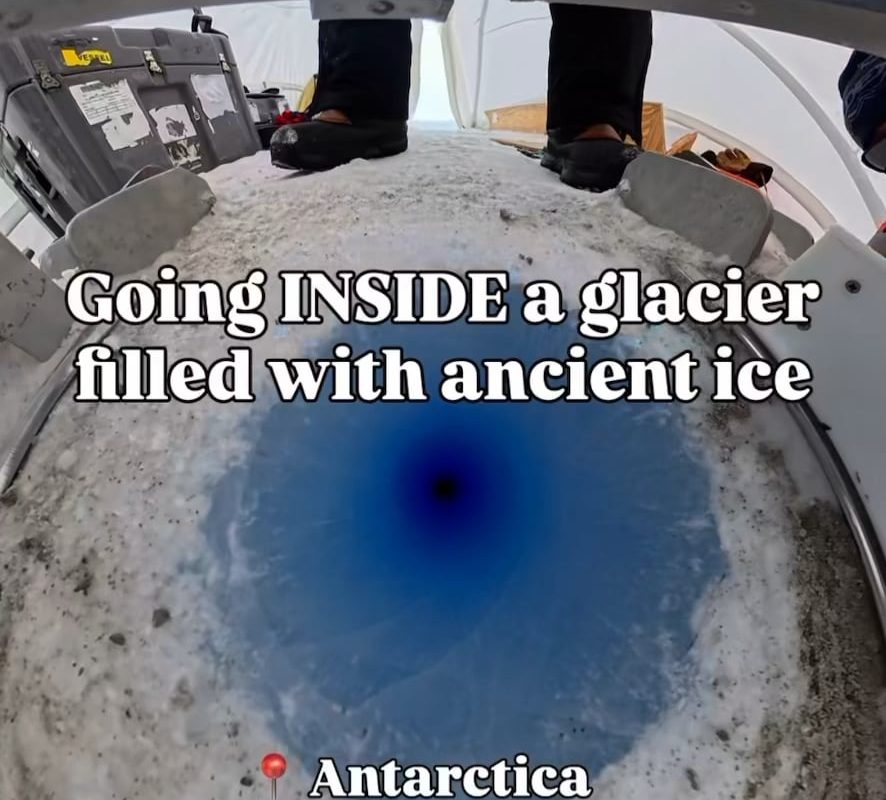
Image Alt Text: “Turquoise ice cave inside Vatnajökull Glacier, Iceland” / “Guide leading a group through a glacial tunnel.”