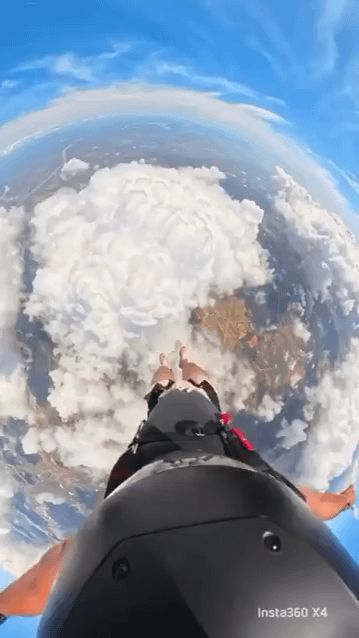
Falling through the clouds
Falling Through the Clouds: What It Really Feels Like (Science, Sensations & Symbolism)
The idea of falling through the clouds sparks wonder, fear, and curiosity—whether you’re a skydiver chasing adrenaline, a daydreamer lost in thought, or someone navigating life’s uncertainties. But what happens when a human body plunges through these floating masses of water vapor? Is it soft as cotton candy, or cold and disorienting? And what does this phenomenon symbolize in our lives? Let’s unravel the science, sensations, and hidden meanings behind falling through the clouds.
The Science of Clouds: What Are You Actually Falling Through?
Clouds might look like fluffy pillows, but they’re dense collections of water droplets or ice crystals suspended in the atmosphere. Their texture, temperature, and impact depend on altitude, cloud type, and weather conditions:
- Cumulus clouds (1,000–6,000 ft): The “classic” cotton-ball clouds. Falling through these feels like a brief, damp haze.
- Stratus clouds (0–6,000 ft): Flat, layered clouds that create a gloomy, misty tunnel. Expect colder temperatures and reduced visibility.
- Cirrus clouds (20,000+ ft): Wispy ice crystals. Falling through these high-altitude clouds feels like slicing through chilly fog.
Fact: Clouds are heavier than they appear. An average cumulus cloud weighs around 1.1 million pounds—yet they float due to air pressure and temperature gradients.
The Physical Experience: What Does Falling Through Clouds Feel Like?
For skydivers and pilots, piercing through clouds is visceral and unforgettable. Here’s what they report:
Sensations & Challenges
- Wetness & Cold: Clouds are 100% humidity. You’ll emerge damp, with temperatures dropping sharply inside thicker formations.
- Zero Visibility: In dense clouds, you might see nothing but white haze, losing spatial awareness.
- Static Electricity (Rare): Passing through ice crystals can create a “static buzz” due to friction.
- Pressure Changes: Ear popping is common as altitude plummets during the fall.
Is It Dangerous?
Safety relies on context:
✅ Licensed skydiving drops avoid cloud layers to prevent collision and disorientation (regulated by FAA guidelines).
⚠️ Unplanned freefalls (e.g., aviation emergencies) risk hypoxia or hypothermia in storm clouds.
Expert Insight:
“Falling through a cumulus cloud feels like running through a cool car wash. Stratus layers are murkier—like swimming in a foggy lake.” — James Carter, Skydive Instructor
The Metaphor: What Does “Falling Through the Clouds” Symbolize?
Beyond physics, this phrase resonates emotionally. It’s a powerful metaphor for transitions and vulnerability:
- Loss of Control: Like plunging into the unknown, whether facing job loss, grief, or life changes.
- Clarity After Chaos: Emerging from clouds can symbolize finding peace after confusion or depression.
- Freedom & Courage: Skydivers describe clouds as gateways to transformation—a surrender to trust.
Pop Culture & Literature
- Planes, superhero films, and anime romanticize cloud dives as moments of introspection.
- Emily Dickinson’s poem “I stepped from Plank to Plank” echoes the fragility of life’s “cloud-like” uncertainties.
3 Real Stories: What It’s Like to Fall Through Clouds
-
Skydiver’s First Cloud Dive (Cumulus):
“I braced for impact, but it was like vanishing into thin mist. For 3 seconds, the world muted. Then—BAM!—sunlight and the earth rushing up.” — Leah R., California -
Pilot’s Emergency Fall (Storm Cloud):
“Hail pelted my plane’s windshield. Falling through was chaotic; turbulence threw me sideways. I emerged shivering but alive.” — Mark T., Flight Instructor -
Metaphorical “Fall” (Life Crisis):
“After my divorce, I felt like I was free-falling blindly. Hitting ‘clouds’ was my depression. Breaking through took years, but the clarity was worth it.” — Anonymous
FAQs About Falling Through Clouds
Q: Can clouds support your weight?
A: No. Clouds are vapor, not solid. You’ll fall through instantly.
Q: Do you get soaking wet?
A: Only slightly damp—like walking in fog.
Q: What’s the greatest danger?
A: Collisions (in aviation) or disorientation in storms.
Q: Can birds fly through clouds?
A: Yes! Birds avoid storm clouds but can navigate thinner layers.
Conclusion: Embracing the Descent
Falling through the clouds is a blend of science and poetry—a reminder that life’s uncertain phases (literal or symbolic) are transient. Whether you’re surfing sky-high mist during a skydive or weathering personal fog, clarity awaits on the other side.
Ready to “fall” deeper? Explore our guides on [cloud types], [skydiving tips], or [navigating life transitions].
Meta Description: Discover what happens when falling through clouds—science of cloud types, skydivers’ firsthand stories, dangers, and the powerful metaphor for life’s uncertain moments.
Target Keywords: falling through clouds, cloud types, skydiving through clouds, metaphor for falling, what clouds feel like