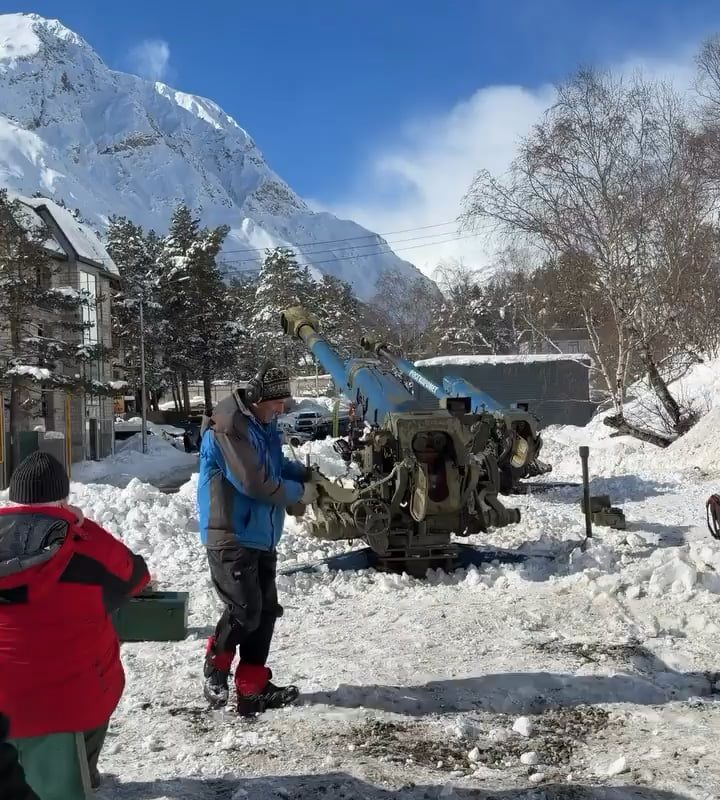
Firing a cannon to trigger an avalanche
Title: Firing a Cannon to Trigger an Avalanche: The Science of Controlled Snow Safety
Meta Description: Discover how firing cannons triggers controlled avalanches, a vital snow safety technique used to protect mountain communities, roads, and ski resorts.
Introduction
Avalanches are nature’s unpredictable killers, capable of burying entire towns or highways under tons of snow in seconds. To combat this threat, ski resorts, transportation departments, and mountain communities deploy a counterintuitive tactic: triggering avalanches on purpose. Among the most dramatic methods is firing a cannon to detonate controlled avalanches—a blend of military history, engineering, and snow science.
In this article, we explore how artillery-based avalanche control works, why it’s critical for public safety, and how technology is evolving to make the process safer and more sustainable.
The Avalanche Problem: Why Prevention Matters
Avalanches occur when unstable snow layers collapse, sending slabs of snow racing downhill at speeds up to 80 mph. These events threaten:
- Skiers and snowboarders
- Mountain highways (e.g., Alpine passes in Europe or Rockies roads in the U.S.)
- Railways and power lines
- Entire villages in high-risk zones
Preventing uncontrolled avalanches saves lives and infrastructure, but doing so requires a proactive approach—like disrupting weak snow layers before storms or human activity worsen the risk.
From Battlefield to Mountains: The History of Avalanche Cannons
Using cannons for avalanche control has roots in postwar innovation. After World War II, European countries like Switzerland and Austria repurposed surplus military artillery—such as 75mm and 105mm howitzers—to target unstable snowpacks. The concept spread to North America, where the U.S. Forest Service and resorts like Alta (Utah) adopted similar tactics.
How It Works:
- Identify Risk Zones: Avalanche experts monitor snowpack stability, weather, and slopes prone to sliding.
- Position Artillery: Cannons or howitzers are stationed at strategic points (e.g., ridge tops).
- Fire Explosive Shells: Shells impact weak snow layers, triggering small, controlled avalanches.
- Clear Debris: Teams ensure slides are harmless before reopening areas.
The Science Behind Cannon-Triggered Avalanches
Triggering avalanches isn’t just about firepower—it’s precise physics:
- Impact Shockwaves: The explosion fractures weak snow layers (often called “depth hoar”), disrupting the bond between slabs.
- Timing Is Everything: Most blasts occur early morning when fewer people are exposed, and cold temperatures keep snow stable post-detonation.
- Snowpack Analysis: Teams use tools like snow pits, ram penetrometers, and weather data to pinpoint ideal strike zones.
Safety Protocols and Challenges
While effective, artillery-based methods require strict safeguards:
- Exclusion Zones: Areas below targeted slopes must be cleared of people and vehicles.
- Regulatory Approval: Governments limit artillery use to licensed professionals.
- Environmental Impact: Concerns include noise pollution, wildlife disturbance, and ordnance debris (modern shells are biodegradable).
Why Cannons Still Matter:
- Precision: Artillery can target remote slopes unreachable by hand-thrown charges.
- Scalability: One howitzer can secure miles of terrain.
- Proven Track Record: Reduces avalanche risk by over 90% in managed areas.
The Pros and Cons of Cannon Avalanche Control
Advantages:
- Life-Saving Prevention: Reduces chances of deadly spontaneous avalanches.
- Cost-Effective: Cheaper than continuous road closures or post-avalanche rescue ops.
- Immediate Results: Explosions trigger slides in real-time.
Drawbacks:
- Logistical Complexity: Requires permits, trained crews, and artillery upkeep.
- Noise and Disruption: Loud blasts can disturb nearby communities.
- Evolving Alternatives: Many regions now prefer remote-controlled systems (e.g., Gazex™ or O’Bellx®) to minimize risks to personnel.
Modern Alternatives to Cannon Artillery
While howitzers remain in use, newer technologies are gaining ground:
- Helicopter-Deployed Charges: Pros drop explosives onto slopes from the air.
- Gas-Based Systems: Devices like Gazex use oxygen-propane blasts to trigger slides remotely.
- DaisyBell™ Avalanche Towers: Solar-powered towers launch explosives via compressed air.
- Drones: Experimental UAVs deliver small charges to high-risk zones.
These systems reduce human risk and environmental impacts—but lack the raw power of artillery for large-scale zones.
Conclusion: A Balancing Act of Tradition and Innovation
Firing cannons to trigger avalanches remains a vital, albeit controversial, tool in snow safety. While rooted in military history, the practice has evolved into a sophisticated science—one that saves countless lives each year. As climate change intensifies snowfall variability and avalanche risks, so too will the need for smarter mitigation strategies.
Whether through artillery shells or drone-delivered charges, the goal remains the same: to tame nature’s fury before it strikes.
FAQ About Cannon-Triggered Avalanches
Q: How accurate are avalanche cannons?
A: Modern targeting systems and GPS ensure precision within meters, but terrain and weather affect success rates.
Q: Do resorts close during avalanche blasting?
A: Yes—ski areas temporarily shut down slopes, lifts, and access roads during control work.
Q: Has anyone died from a controlled avalanche?
A: Rarely. Strict protocols make unintended casualties extremely uncommon.
Q: Are there eco-friendly alternatives to artillery shells?
A: Yes. Biodegradable shells and gas-based systems minimize environmental harm.
Q: Where is cannon avalanche control still used?
A: Common in the Swiss Alps, Canada (Rogers Pass), and U.S. mountain states (Colorado, Utah).
Optimized Keywords: avalanche control cannon, howitzer avalanche mitigation, controlled avalanche triggering, snow safety artillery, avalanche prevention methods, Gazex avalanche system, avalanche cannon history, how to prevent avalanches, avalanche risk management.
By blending technical insights with real-world applications, this article aims to rank for avalanche safety queries while educating readers on this dramatic—and life-saving—practice.