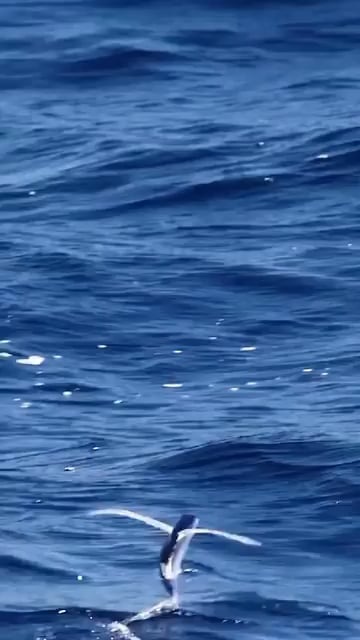
Flying fish aka Exocoetidae
Title: Flying Fish (Exocoetidae): The Ocean’s Gliding Marvels – Facts, Habitat & Behavior
Meta Description: Dive into the world of flying fish! Discover how Exocoetidae glide above oceans, their habitats, unique adaptations, and cultural significance in this captivating SEO guide.
Introduction
Flying fish (family Exocoetidae) are among the ocean’s most extraordinary creatures, blending aquatic life with aerial escapes. These “winged” fish soar above waves to evade predators, captivating scientists and travelers alike. Found in warm tropical waters, they play a vital role in marine ecosystems and human cultures. In this SEO-optimized guide, we’ll explore their biology, behavior, and the secrets behind their gravity-defying flights.
What Are Flying Fish?
Flying fish belong to the Exocoetidae family, comprising about 64 species across 7 genera. Their name stems from the Greek exōkoitos, meaning “sleeping outside,” referencing ancient beliefs that they’d leap onto ships to sleep. Key features include:
- Streamlined bodies (15–45 cm long) for rapid swimming.
- Enlarged pectoral fins acting as wings for gliding.
- Forked tails with a lower lobe longer than the upper for propulsion.
These adaptations let them “fly” when escaping predators like tuna, dolphins, and seabirds.
How Do Flying Fish Fly?
Unlike birds or bats, flying fish glide—using speed and lift, not powered flight. Here’s how they defy gravity:
- Launch: Near the surface, they accelerate to 37 mph (60 km/h) underwater.
- Takeoff: They burst above the wave, stretching pectoral fins to catch air currents.
- Glide: Using fin-wings, they soar 150–200 meters (up to 45 seconds), sometimes skimming the surface with their tails for extra thrust.
Pro Tip: Some species, like the four-winged flying fish (genus Hirundichthys), also use pelvic fins for longer glides!
Habitat & Distribution: Where Do Flying Fish Live?
Flying fish thrive in warm tropical and subtropical oceans, favoring surface waters. Hotspots include:
- The Caribbean Sea (Barbados’ national symbol).
- The Pacific and Indian Oceans.
- Atlantic waters near West Africa and Central America.
They rarely venture into temperate zones but follow warm currents seasonally.
Diet & Predators
What Do They Eat?
Flying fish are omnivorous, feeding on:
- Plankton
- Small crustaceans
- Fish larvae
Natural Enemies
Their aerial escapes evolved to dodge predators:
- Ocean hunters: Tuna, marlin, and swordfish.
- Birds: Frigatebirds and albatrosses snatch them mid-glide.
- Humans: A key food source in Caribbean and Asian fisheries.
Life Cycle & Reproduction
- Spawning: Females release eggs attached to floating debris (seaweed, logs) or near shorelines.
- Hatching: Eggs hatch in 1–2 weeks, releasing larvae just 3–4 mm long.
- Maturity: Juveniles develop “wings” within months and live up to 5 years.
Ecological Role & Conservation
Flying fish are plankton consumers and prey for larger species, making them crucial to marine food webs. Though not endangered, threats include:
- Overfishing: Demand for roe (tobiko) and meat impacts populations.
- Habitat loss: Pollution and climate change disrupt spawning grounds.
Conservation status: Most species are listed as Least Concern (IUCN), but sustainable fishing practices are vital.
Cultural & Economic Significance
- Barbados: Known as the “Land of the Flying Fish,” it appears on coins and in national dishes like cou-cou and fish cakes.
- Cuisine: Delicacies in Japan (sushi), Taiwan, and Vietnam for their mild, savory meat.
- Tourism: Snorkeling and boat tours showcase their gliding spectacles in Hawaii and the Maldives.
5 Fascinating Flying Fish Facts
- Speed Demons: They swim faster than Olympic sprinters before takeoff!
- Night Flyers: Some species glide more at night to avoid predators.
- Record Glides: The longest recorded flight lasted 45 seconds.
- Ancient Myths: Greek philosopher Aristotle wrote about their “flight” 2,300 years ago!
- Bioinspiration: Engineers study their fins to design drones and gliders.
Conclusion
Flying fish (Exocoetidae) are marvels of evolution, bridging marine and aerial worlds with their stunning glides. From their survival strategies to their role in coastal cultures, these oceanic acrobats remind us of nature’s creativity. Protecting their habitats ensures future generations can witness their breathtaking flights across the waves.
SEO Keywords Integrated:
- Flying fish, Exocoetidae, how flying fish fly, flying fish habitat, flying fish diet, flying fish facts, flying fish adaptations, flying fish Barbados, four-winged flying fish, marine life.
Call to Action:
Seen a flying fish in action? Share your stories below or explore our marine life guides to learn more about ocean wonders! 🌊✈️