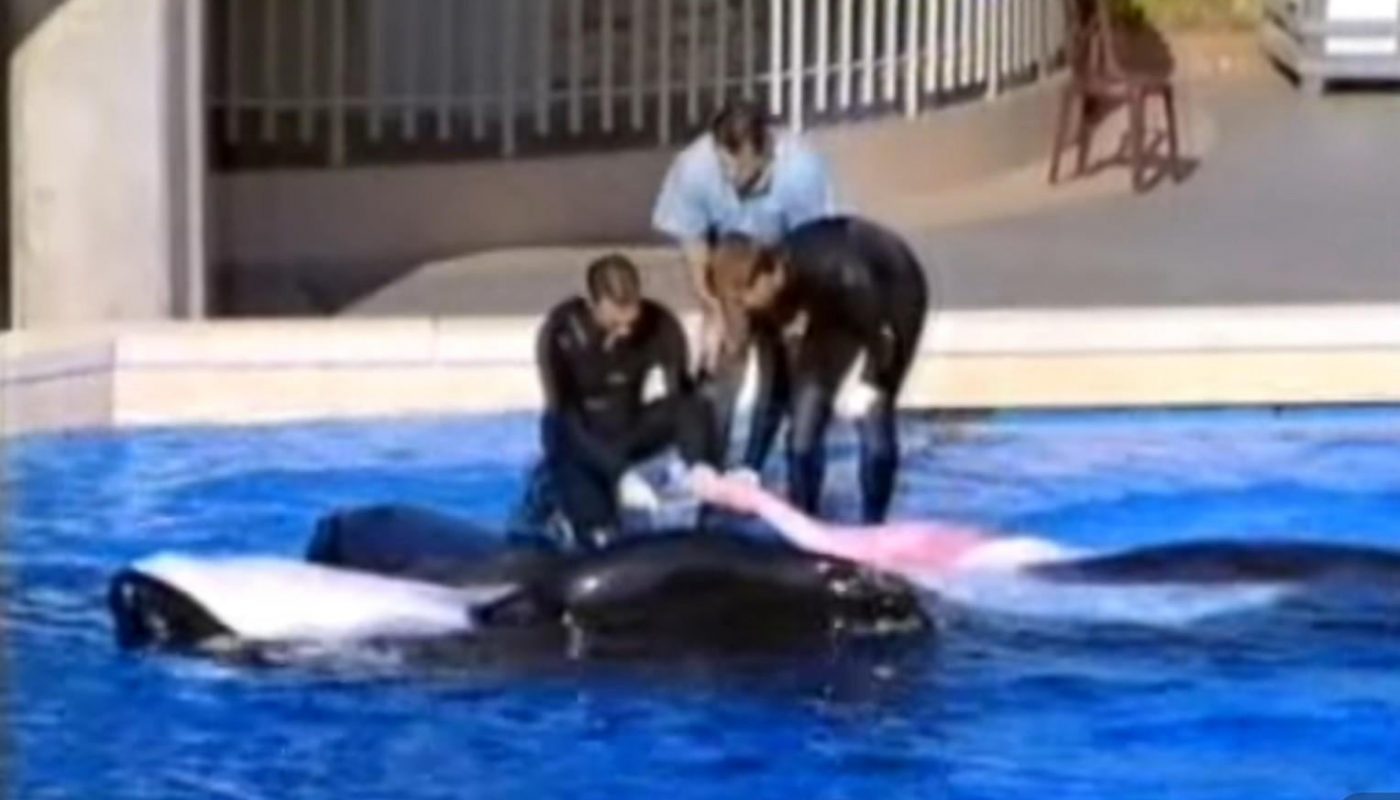
For orca left in limbo, zoo resorts to sexual stimulation to stop inbreeding.
Title: The Ethical Dilemma: How Zoos Are Using Sexual Stimulation to Prevent Orca Inbreeding Amidst Captive Limbo
Introduction
The plight of captive orcas (or killer whales) has long ignited global debate, blending concerns about animal welfare, ethics, and conservation. Now, a controversial new strategy is making headlines: zoos and marine parks are resorting to sexual stimulation techniques—including manual methods—to collect sperm and prevent inbreeding among orcas stuck in captivity. This article explores the science, ethics, and urgent realities behind this extreme measure, as orcas remain trapped in a bureaucratic and moral limbo.
The Orca Captivity Crisis: A System in Limbo
Orcas are highly intelligent, social creatures that roam vast ocean territories in the wild. Yet for decades, they’ve been kept in enclosures for entertainment, education, and breeding programs. Today, shifting public sentiment and laws like the Orca Protection Act have phased out orca captures and breeding in many regions. However, existing captive orcas cannot be released into the wild due to their reliance on human care, leaving them in a heartbreaking purgatory—too dependent to free, yet ethically contentious to keep.
With breeding bans in place, aging populations, and limited genetic diversity, facilities face a crisis: how to sustain captive orca populations without inbreeding, which can cause severe health defects, weakened immunity, and shorter lifespans.
The Science Behind Sexual Stimulation in Orcas
To address inbreeding risks, some zoos and marine parks are turning to assisted reproduction techniques. This includes:
- Manual Semen Collection: Trainers or veterinarians physically stimulate male orcas to ejaculate, then freeze the sperm for future use.
- Artificial Insemination (AI): Sperm is inserted into females during ovulation, allowing controlled breeding without natural mating.
- Genetic Mapping: Using DNA analysis to pair genetically diverse orcas and avoid recessive disorders.
These methods mimic practices used in livestock and endangered species conservation. Yet applying them to orcas—a species with complex emotional and social bonds—raises unprecedented ethical questions.
Why Inbreeding Is a Death Sentence for Captive Orcas
In the wild, orca pods maintain genetic health through natural mate selection across vast distances. In captivity, small pools of related individuals lead to:
- Genetic bottlenecks: Reduced diversity weakens resilience to disease.
- Stillbirths and deformities: Inbred calves often suffer fatal defects.
- Behavioral issues: Stress from confinement compounds genetic vulnerabilities.
The infamous case of Tilikum—the orca involved in multiple trainer deaths—highlighted how captivity-induced stress and inbreeding Depression can manifest in aggression and poor health.
Ethical Firestorm: Conservation or Exploitation?
Animal rights organizations like PETA and the Whale Sanctuary Project condemn these practices as further exploitation. Key criticisms include:
- Physical and Psychological Harm: Manual stimulation is invasive and stressful for orcas, disrupting natural behaviors.
- Perpetuating Captivity: Critics argue these measures prolong an inherently flawed system instead of investing in sea sanctuaries.
- Moral Shortcuts: Zoos prioritize genetic management over addressing systemic welfare failures.
Proponents, however, frame it as a stopgap for conservation:
“We’re safeguarding these animals’ futures while sanctuaries and policy solutions lag.”
— Marine biologist affiliated with a U.S. facility
The Bigger Picture: Sanctuary Over Stimulation
While artificial breeding buys time, the ultimate solution lies in retiring captive orcas to coastal sanctuaries. Projects like the North Atlantic Whale Sanctuary aim to offer semi-wild environments where orcas can live naturally without breeding pressures. Yet progress is slow, bottlenecked by funding, logistics, and political hurdles.
What You Can Do
- Support Ethical Sanctuaries: Donate to or advocate for sea-pen sanctuary initiatives.
- Avoid Captivity-Based Entertainment: Choose eco-tourism that respects wildlife autonomy.
- Push for Policy Change: Lobby for laws that transition captive orcas to retirement.
Conclusion
The use of sexual stimulation to combat orca inbreeding underscores a desperate crossroads in marine captivity. While science offers short-term fixes, the long-term welfare of these majestic animals hinges on systemic change—one that replaces tanks with tides and human control with dignity. As the world reckons with our moral debt to captive orcas, their limbo serves as a urgent call to evolve beyond exploitation.
Keywords: Orca inbreeding, captive orca welfare, marine park ethics, artificial insemination orca, killer whale captivity, orca conservation, sexual stimulation animals, marine sanctuary solutions.
Meta Description: Discover why zoos are using sexual stimulation on captive orcas to prevent inbreeding, the ethical debates surrounding this practice, and solutions for retiring orcas to sanctuaries.