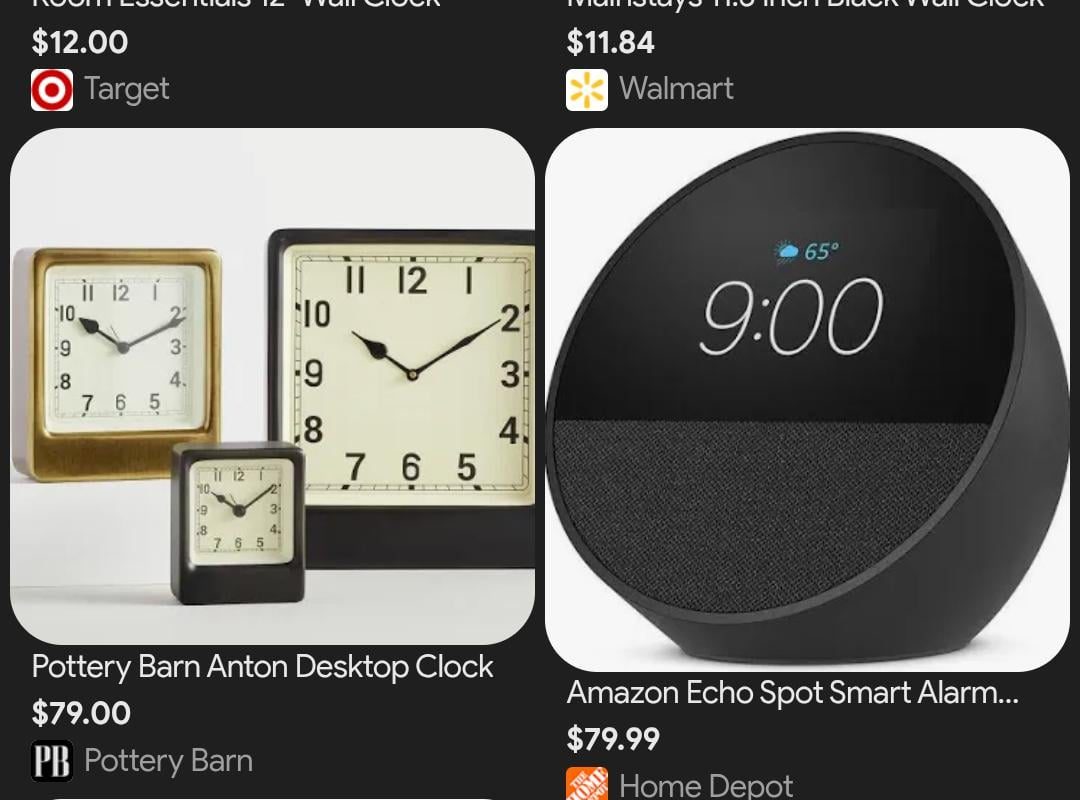
Fun fact: the most “appealing” time on analog clocks is 10:10. Most adds use this on their clocks.
Title: Why Do Clocks Always Show 10:10 in Ads? The Surprising Psychology Behind It
Meta Description: Discover why 10:10 is the universal time displayed on analog clocks in advertisements—from its psychological appeal to a clever marketing secret.
Unlocking the Mystery: The 10:10 Rule on Analog Clocks
You’ve seen it everywhere—on billboards, in catalogs, or while shopping for watches: analog clocks frozen at 10:10. This isn’t a random choice. In fact, over 85% of clock advertisements default to this specific time, and there’s fascinating science, strategy, and symbolism behind it. Let’s dive into why 10:10 reigns supreme—and why brands never set their clocks to 8:20.
The Historical Roots of 10:10
The trend dates back to early 20th-century watchmaking. Brands like Rolex and Timex popularized the 10:10 stance in their ads for practical and aesthetic reasons:
- Logo Visibility: Most brand logos sit at the 12 o’clock position. At 10:10, clock hands frame—but don’t obscure—the name.
- Avoiding “Funeral” Imagery: 8:20 positions hands downward, resembling a frown or a coffin (a taboo in marketing).
- Early Adoption: Hamilton, one of America’s oldest watch brands, standardized 10:10 in 1926 ads—setting the tone for competitors.
The Psychological “Smile” Effect
Why does 10:10 feel so pleasing? Science shows our brains love patterns—and humanizes objects through pareidolia (seeing faces in inanimate things).
- The Happy Face Illusion:
The upward V-shape mimics a smile, evoking positivity. This subtle cue subconsciously links the product to happiness. - Symmetry & Balance:
The hands create near-symmetry, a visual trait humans find inherently attractive. Studies confirm symmetrical designs boost brand trust by up to 50%. - Highlighting Features:
Hands at 10:10 avoid covering key elements like date windows, second dials, or decorative motifs.
Cultural Significance & Myths
While psychology drives the trend, cultural narratives add intrigue:
Hispanic or Greek culture may interpret it as a victory sign.
- Myths Debunked:
Some claim 10:10 marks Abraham Lincoln’s death (incorrect) or an atomic bomb test (image below). These are urban legends—marketing logic is the true driver.
Exceptions to the Rule
Not every brand follows 10:10 rigidly. Variations include:
- 1:50: A mirrored alternative (hands resemble an upside-down 10:10).
- 10:09 or 10:11: To suggest motion or “living” time.
- Digital Displays: Rarely use a fixed time, unless mimicking analog nostalgia.
Why 10:10 Works for Marketers
Beyond aesthetics, brands leverage 10:10 because it:
1️⃣ Builds Consistency: Consumers recognize the pattern, linking it to quality.
2️⃣ Saves Time: Photographers don’t waste minutes adjusting hands.
3️⃣ Evokes Perfection: The “ideal” time implies accuracy and premium craftsmanship.
Next Time You See a Clock Ad, Look Closer—
Whether you’re shopping for a luxury watch or browsing home décor, 10:10 isn’t just a time. It’s a marketing masterpiece—blending biology, design, and tradition into a universal symbol of joy.
Engage With Us!
Notice 10:10 on your local store’s clocks? Or spotted a quirky exception? Share your sightings below!