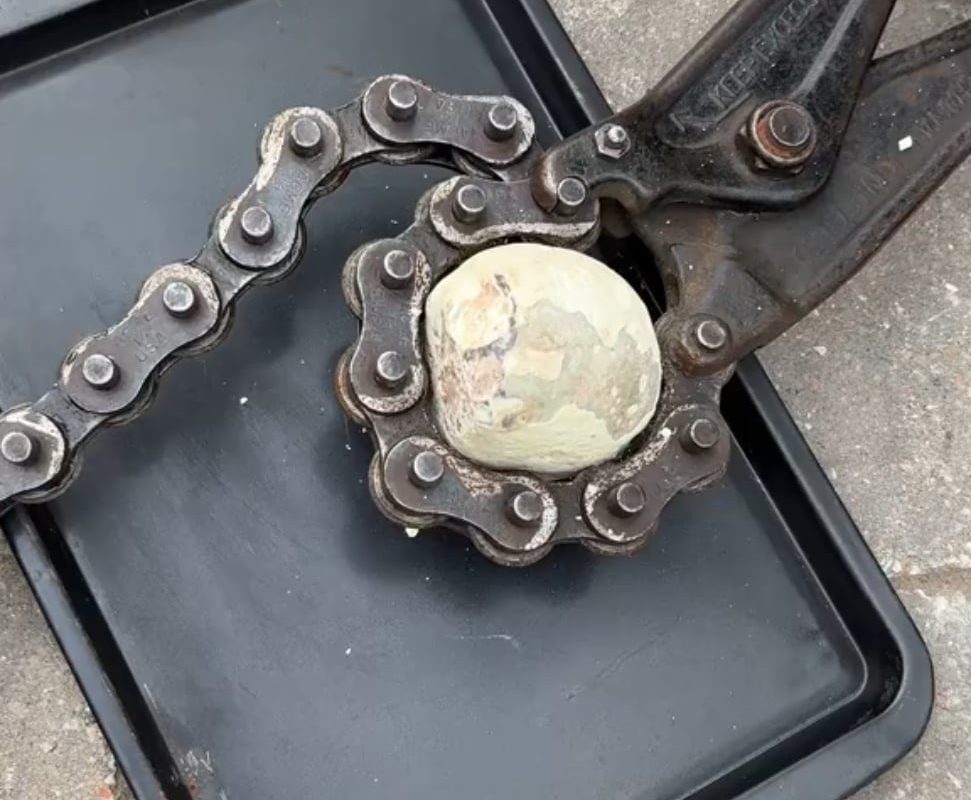
Geode Water Under The Microscope.
Title: Geode Water Under the Microscope: Unveiling Nature’s Ancient Time Capsules
Meta Description: Explore the fascinating world of geode water, trapped for millennia, and discover what microscopic analysis reveals about Earth’s geological history. Learn why these “liquid time capsules” are priceless to science.
Geode Water Under The Microscope: A Journey Into Earth’s Hidden History
Geodes—those unassuming, rock-like hollows lined with dazzling crystals—hold secrets far beyond their sparkling surfaces. Among the most intriguing is geode water: microscopic pockets of ancient fluid trapped during their formation millions of years ago. By analyzing this liquid under the microscope, scientists unlock clues about Earth’s geological past, mineral formation, and even potential insights into extraterrestrial environments.
In this article, we’ll dive into:
- What geode water is and how it forms.
- How microscopy reveals its hidden stories.
- Why this research matters for science and beyond.
What is Geode Water?
Geode water, also called “fluid inclusions,” is ancient groundwater or mineral-rich solutions trapped inside geodes as they formed underground. These pockets—often smaller than a human hair—remain perfectly preserved for eons, sealed within crystals like quartz, amethyst, or agate. Each droplet acts as a time capsule, capturing the temperature, pressure, and chemical conditions of its environment from millions of years ago.
How Do Geodes Form?
- Cavity Creation: Volcanic bubbles or sedimentary cavities form in rock.
- Mineral Infusion: Silica-rich water seeps into the cavity.
- Crystal Growth: Minerals precipitate over thousands of years, forming crystals.
- Water Entrapment: Tiny voids between crystals trap fluids, freezing them in time.
Why Study Geode Water Under a Microscope?
Microscopic analysis transforms geode water from a geological curiosity into a treasure trove of data:
-
Earth’s Ancient Climate:
- Geode water contains isotopes and dissolved gases that reveal past atmospheric conditions.
-
Mineral Formation Secrets:
- Studying fluid inclusions helps explain how minerals crystallize—key for mining and material sciences.
-
Potential for Extraterrestrial Life Clues:
- Similar fluid inclusions in meteorites could hint at how water behaves on other planets.
-
Purity & Composition:
- Advanced techniques (like Raman spectroscopy) identify dissolved salts, metals, and even organic molecules.
Geode Water Under the Microscope: Key Techniques
Scientists use specialized microscopy methods to study these tiny time capsules:
1. Polarized Light Microscopy
- Reveals crystal structure and fluid boundaries within inclusions.
2. Fluid Inclusion Thermometry
- Heats or cools samples to determine original formation temperatures.
3. Micro-Raman Spectroscopy
- Shines lasers on inclusions to identify dissolved chemicals without damaging the sample.
4. SEM-EDS Analysis
- Combines scanning electron microscopy with energy-dispersive X-rays to map elemental composition.
Discoveries From Microscopic Analysis
- Revolutions in Geology: Geode water helped prove slow mineral growth over millennia, debunking rapid-formation myths.
- Extreme Conditions Evidence: Some inclusions show superheated or high-salinity fluids, proving dynamic past environments.
- Ancient Microbes? Rare organic compounds in inclusions spark debates about microbial life in deep-Earth systems.
Beyond Science: Geode Water in Education & Commerce
- Classroom Applications:
- Geode slicing and microscopy engage students in Earth sciences.
- Collector Appeal:
- “Wet” geodes (those with visible fluid) are prized for their rarity.
- Ethical Concerns:
- Extraction of fluid inclusions can destroy geodes, sparking debates in preservation vs. research.
FAQs About Geode Water
Q: Can you drink geode water?
A: No—it’s often laden with heavy metals or salts and is scientifically invaluable.
Q: How old is geode water?
A: Inclusions can range from thousands to hundreds of millions of years old.
Q: Where can I see geode water?
A: Museums like the Smithsonian display magnified inclusions; hobbyists use USB microscopes on sliced geodes.
Conclusion: The Future of Geode Water Research
Geode water may lack the glamour of gemstones, but its microscopic secrets rewrite textbooks. As imaging technology advances, these nanoscale droplets promise even deeper insights into planetary evolution, climate resilience, and the origins of life itself. Next time you hold a geode, remember: beneath its crystalline beauty lies a hidden ocean of history, waiting to be explored—one drop at a time.
Target Keywords: geode water, fluid inclusions, microscopic analysis, ancient water, geology under microscope, geode formation, Raman spectroscopy, Earth’s history, crystal growth, fluid inclusion thermometry.
Optimization Tips:
- Use high-quality images of geode slices/microscopic inclusions.
- Link internally to articles about geodes, minerals, or climate science.
- Share via geology forums and educational platforms like ResearchGate.