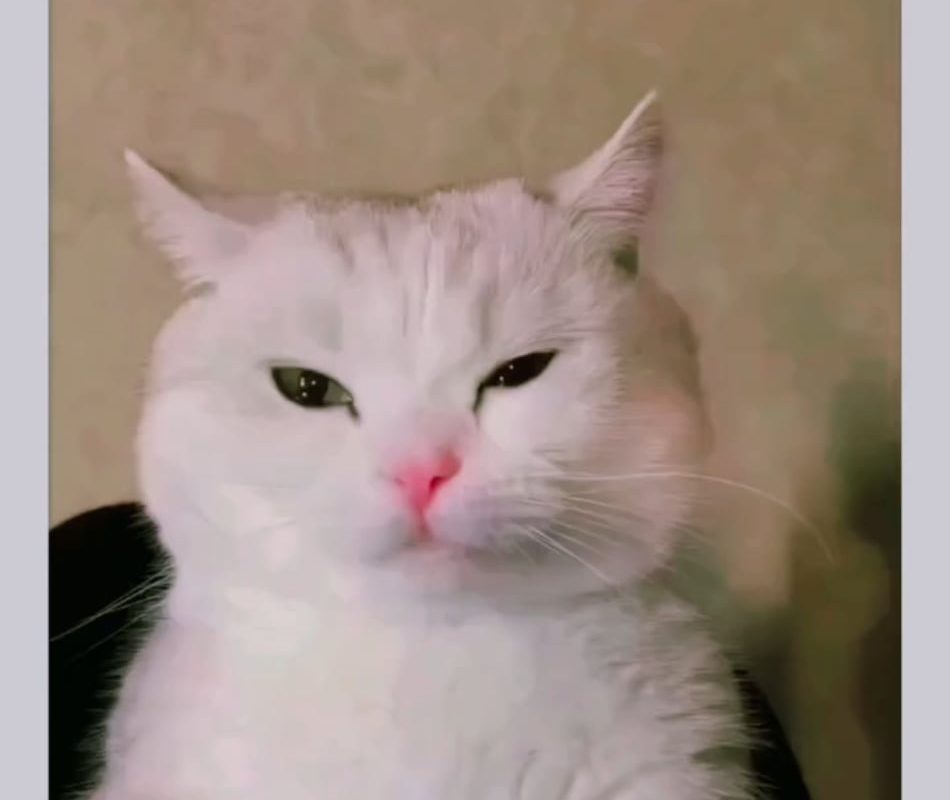
Giving a cat facial expressions!
Title: Can Cats Have Facial Expressions? Decoding Your Feline’s Mysterious “Smiles” & “Frowns”
Meta Description: Unlock the secrets behind your cat’s “facial expressions”! Learn how to read their subtle cues, myths vs. reality, and ways to deepen your bond through nonverbal communication.
Introduction: Do Cats Really “Make Faces” Like Humans?
Cats are masters of nonverbal communication, using their eyes, ears, whiskers, and posture to convey emotions—but can they actually “give” facial expressions like humans? While cats don’t intentionally smile or frown to express joy or sadness, their faces subtly shift to communicate comfort, fear, curiosity, and more. Understanding these signals can transform how you interact with your feline friend.
In this guide, we’ll explore:
- How cats “speak” through facial micro-movements.
- Common myths about cat expressions (spoiler: a resting cat isn’t judging you!).
- Tips for responding to your cat’s cues to build trust and happiness.
The Science of Cat Facial Expressions: It’s All About Body Language
Unlike humans, cats lack the complex facial muscles needed for exaggerated grins or scowls. However, evolutionary adaptations have fine-tuned their faces for survival and communication:
1. Eyes: Windows to a Cat’s Mood
- Slow Blinks: A relaxed, half-closed gaze signals trust (“I love you” in cat language!).
- Dilated Pupils: Could mean excitement (playtime!) or fear (loud noises/vets).
- Staring: Direct eye contact is a challenge or threat in cat culture.
2. Ears: Mood Radars
- Forward: Alert, curious, or happy.
- Flat/Sideways: Anxious or irritated.
- Pinned Back: Aggression or extreme fear.
3. Whiskers & Mouth
- Relaxed Whiskers: Contentment.
- Forward Whiskers + Open Mouth (Flehmen Response): Analyzing scents—like “tasting” the air!
- Lip-Licking or Teeth Exposure: Stress or nausea—not a “smile.”
Myth Busting: Do Cats Smile or Scowl?
- The “Smiling” Cat: A relaxed, slightly open mouth might look like a smile, but it’s often a sign of overheating or mild stress (e.g., during car rides). True feline happiness is shown through purring, kneading, or slow blinking.
- The “Grumpy Cat” Face: Resting “bitch face” in cats (like Grumpy Cat’s famous frown) is usually genetic and unrelated to their mood! Flat-faced breeds (Persians, Exotics) often look permanently displeased due to skull structure.
How to “Read” Your Cat’s Face Like a Pro
-
Context is Key: Pair facial cues with body language to decode emotions. For example:
- Ears flattened + puffed tail = Fear/anger.
- Slow blink + purring = Pure bliss.
-
Respect Their Signals:
- Avoid forcing interaction if your cat looks tense (closed eyes, tucked whiskers).
- Reward “happy” expressions (slow blinks) with treats or gentle pets.
-
Anthropomorphism Alert! While it’s fun to imagine cats making human-like faces, their expressions serve primal purposes—not sarcasm or existential dread(!).
Can You Give Your Cat “Expressions”? 3 Fun (and Safe) Ways to Try!
While cats can’t mimic human faces, you can encourage “expressive” interactions:
- Slow Blink Conversations: Gently slow-blink at your cat—they may respond in kind!
- Scent-Based Enrichment: Use catnip or pheromone sprays to trigger playful “happy face” reactions (whiskers forward, bright eyes).
- Toys That Mimic Prey: Wands, lasers, or feather toys spark wide-eyed, focused “hunting” expressions.
Conclusion: Embrace the Mysterious Feline “Silent Language”
Cats don’t need human-like expressions to communicate their needs. By learning their unique visual language, you’ll build a deeper connection, reduce stress, and even anticipate health issues (e.g., squinting may signal eye pain). Remember: Your cat’s poker face is part of their charm!
Found this guide helpful? Share it with fellow cat lovers or tag us in your cat’s “expressive” photos on social media!
SEO Keywords: Cat facial expressions, understanding cat body language, cat communication, why do cats slow blink, cat emotions, how to read a cat’s face, feline behavior.
Boost Your SEO Further:
- Link to related articles (e.g., “Cat Tail Movements Decoded” or “Why Does My Cat Stare at Me?”).
- Add alt-text like “cat making slow-blink expression” to images.
- Use internal links to your site’s cat behavior/care resources.
This article provides actionable insights while tapping into viral curiosity around “expressive” cats, driving engagement and shares! 🐱