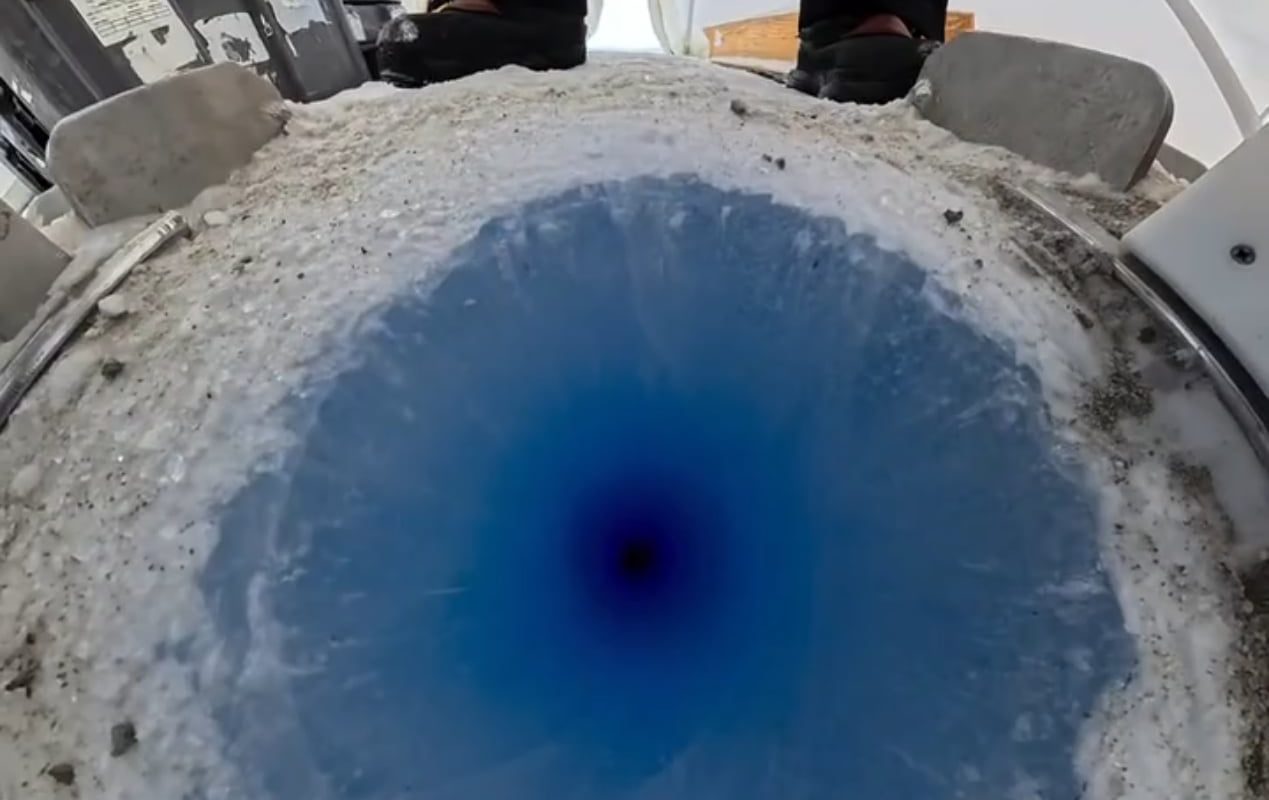
Going inside a glacier filled with ancient ice
Title: Journey into the Depths of Time: What It’s Like to Explore a Glacier Filled with Ancient Ice
Meta Description: Venture into the heart of a glacier brimming with ice thousands of years old. Discover its formation, scientific secrets, and the life-changing experience of walking through frozen history.
Introduction
What would it be like to step inside a glacier – a colossal river of ice that has survived for millennia? Glacier caves and ice tunnels encapsulate Earth’s ancient past, offering a window into prehistoric climates and ecosystems. From Iceland’s Vatnajökull to Antarctica’s deep-blue caverns, explorers and scientists brave extreme conditions to witness these frozen wonders. This article dives into the surreal experience of entering a glacier, the science behind its ancient ice, and why these vanishing giants are vital to humanity.
What Is Ancient Glacier Ice?
Glaciers form over centuries as layers of snow compress into dense ice, trapping air bubbles, volcanic ash, and even biological remnants from past eras. This “ancient ice” can be:
- Over 100,000 years old in regions like Antarctica.
- A climate time capsule, preserving atmospheric data from the Ice Age.
- A fragile record at risk of melting due to global warming.
Inside a Glacier: A Step-by-Step Exploration
1. The Entrance: Nature’s Frozen Cathedral
Entering a glacier often means crawling through narrow crevasses or descending into vast, shimmering ice caves. Crystal-blue walls, formed by centuries of pressure and melt cycles, refract light into dazzling hues. The air inside is cold, still, and eerily silent—a stark contrast to the roaring winds outside.
2. Walking Through Time
As you move deeper, striations (ice layers) reveal the glacier’s age. Dark bands may indicate volcanic eruptions or dust storms from centuries past. Scientists use ice cores drilled from these layers to analyze:
- Historical CO2 levels
- Temperature fluctuations
- Ancient pollen and microbes
3. Hidden Dangers and Etiquette
Exploring glaciers requires extreme caution:
- Icefalls: Overhanging ice can collapse without warning.
- Moulins: Vertical shafts can plunge hundreds of feet into meltwater.
- Rapid shifts: Caves refreeze or reshape overnight.
Guided tours often provide crampons, harnesses, and helmets for safety.
Famous Glaciers with Accessible Ancient Ice
- Vatnajökull, Iceland: Walk through volcanic ice caves beneath Europe’s largest glacier.
- Mendenhall Glacier, Alaska: Kayak to surreal blue caves melting into turquoise lakes.
- Mer de Glace, France: Ride a mountain train to enter Chamonix’s iconic glacial tunnels.
Why Ancient Ice Matters for Climate Science
Glacial ice cores are climate “history books”:
- 1,000+ years of data: Reveal natural climate cycles vs. human impact.
- Methane levels: Help predict future warming trends.
- Extinction clues: Pollen and ash layers map prehistoric ecosystem collapses.
However, rising temperatures are causing glaciers to retreat 3x faster than in the 20th century. By 2100, iconic sites like Patagonia’s Perito Moreno could vanish, erasing irreplaceable data.
How to Responsibly Explore Glaciers
While glacier tourism raises awareness, it must minimize harm:
- Choose low-impact tours: Prioritize operators enforcing group size limits and waste policies.
- Avoid summer visits: Melting peaks destabilize caves (visit in winter for safer access).
- Support conservation: Urge policymakers to protect glaciers under UNESCO or local laws.
FAQs About Glacier Exploration
Q: How old is the oldest glacier ice?
A: Antarctica’s oldest ice dates back 2.7 million years, but most accessible glaciers contain ice from the last glacial period (12,000+ years).
Q: Is glacier air breathable?
A: Yes, but caves may have low oxygen levels in deep sections—guides carry detectors.
Q: Can I explore without a guide?
A: No. Unguided treks risk accidents and environmental damage.
Conclusion: A Race Against Time
Walking into a glacier is like stepping into Earth’s freezer—a place where time stands still, and ancient secrets lie preserved. But as climate change accelerates, these icy archives are crumbling faster than science can document them. Through sustainable tourism and climate action, we can protect these frozen wonders before they’re lost to history.
Call to Action: Support conservation groups like Glacier National Park Conservancy or explore virtual glacier exhibits from National Geographic.
Target Keywords: ancient ice glacier, explore glacier caves, climate change ice cores, glacier tours, glacier formation science
Image Suggestion (Placeholder Note):
- A turquoise ice cave with explorers silhouetted against glowing walls.
- Scientists drilling an ice core surrounded by towering glacier walls.
- A split image comparing a vibrant glacier in 1900 vs. its shrunken state today.