Grasping, whipping, throwing and catching robot arms inspired by elephant trunks and octopus arms
Meta Title: Nature-Inspired Robot Arms: Mimicking Elephant Trunks & Octopus Arms for Advanced Grasping, Throwing & Catching
Meta Description: Discover how bio-inspired robot arms, modeled after elephant trunks and octopus arms, revolutionize automation with unmatched flexibility, strength, and precision in grasping, whipping, throwing, and catching.
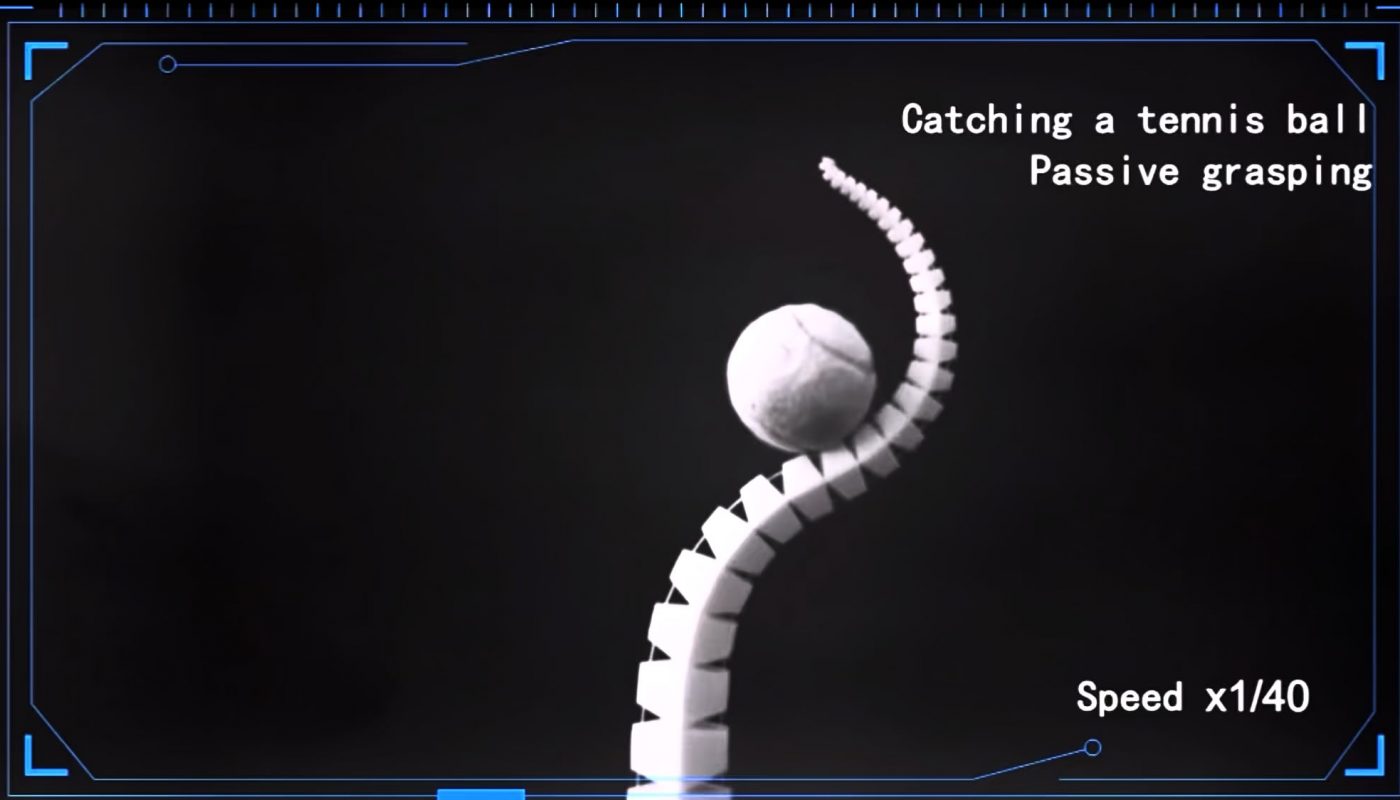
Grasping, Whipping, Throwing, and Catching: The Future of Robotics Inspired by Elephant Trunks & Octopus Arms
The quest to build robots capable of performing delicate, complex, and dynamic tasks has led engineers to nature’s most versatile manipulators: elephant trunks and octopus arms. These biological marvels combine unmatched flexibility, precision, and strength—qualities now being replicated in groundbreaking robotic systems designed for advanced tasks like grasping irregular objects, high-speed whipping, controlled throwing, and real-time catching.
The Biological Blueprint: Why Nature’s Arms?
Elephant trunks and octopus arms are masterpieces of evolutionary engineering:
- Elephant trunks can lift 300+ kg yet pluck a single blade of grass, thanks to 40,000+ muscles working in concert.
- Octopus arms lack a rigid skeleton but excel at bending, twisting, and “thinking” independently via distributed neurons.
Roboticists leverage these principles to create continuum robots—flexible, soft, and hyper-articulated arms that outperform rigid industrial robots in unpredictable environments.
Key Capabilities of Bio-Inspired Robotic Arms
1. Grasping with Unmatched Adaptability
Traditional grippers struggle with fragile or irregularly shaped objects (e.g., fruit, glassware). Trunk- and tentacle-inspired robots overcome this via:
- Omni-directional bending: Conform to objects’ shapes without external sensors.
- Distributed force control: Adjust grip pressure in real-time to avoid damage.
- Haptic feedback: Embedded sensors mimic an octopus’s suction cups for texture detection.
Applications: Automated agriculture (harvesting produce), medical devices (handling tissues), and disaster rescue (extracting debris).
2. Whipping: Speed Meets Precision
Elephants use trunk “whips” for communication and defense, accelerating at 200+ m/s². Roboticists replicate this via:
- Segmented pneumatic actuators: Generate explosive, controlled motion.
- Tendon-driven mechanics: Like octopus muscles, they store/release energy like a slingshot.
These high-speed maneuvers enable robots to:
- Swipe objects in hazardous zones (e.g., radioactive waste cleanup).
- Activate switches or valves in emergency scenarios.
3. Throwing and Catching with Dynamic Control
Mimicking an elephant’s ability to hurl logs—or an octopus launching itself with arm jets—robots now achieve mid-air object manipulation through:
- Trajectory optimization: Machine learning models predict throw/catch paths.
- Soft-body aerodynamics: Tentacle-like shapes adjust mid-flight to stabilize thrown items.
Use Cases:
- Warehouse automation: Catching and tossing packages between bots.
- Space robotics: Handling samples in microgravity where grip is impossible.
The Tech Behind the Biomechanics
These robots rely on cutting-edge innovations:
- Soft Actuators: Pneumatic or hydraulic “muscles” that bend like biological tissue.
- Sensory Skin: Optical or capacitive sensors for real-time pressure/temperature feedback.
- AI-Powered Control: Reinforcement learning algorithms optimize movements based on environmental feedback.
Challenges and Future Directions
While promising, bio-inspired arms face hurdles:
- Power efficiency: High energy demands for fluidic systems.
- Scalability: Miniaturizing components for surgical robotics.
- Autonomy: Improving AI’s decision-making in chaotic settings.
Future advancements may include self-healing materials (like octopus skin) and swarm coordination (multiple arms working as a unit).
Conclusion: The Next Generation of Robotics Is Here
From factories to outer space, elephant- and octopus-inspired robotic arms are redefining automation. By mastering the delicate balance of strength, flexibility, and intelligence, they unlock possibilities once deemed impossible—transforming industries and pushing the boundaries of human-machine collaboration.
Keywords for SEO: bio-inspired robotics, continuum robots, soft robotic arms, elephant trunk robot, octopus tentacle gripper, adaptive grasping, dynamic throwing, robotic catching, pneumatic actuators, AI-powered automation.
Image/CTA Suggestion: Pair article with a video showing a robot arm effortlessly catching a fragile object mid-fall, or an industrial bot using a trunk-like arm to sort irregular shapes.