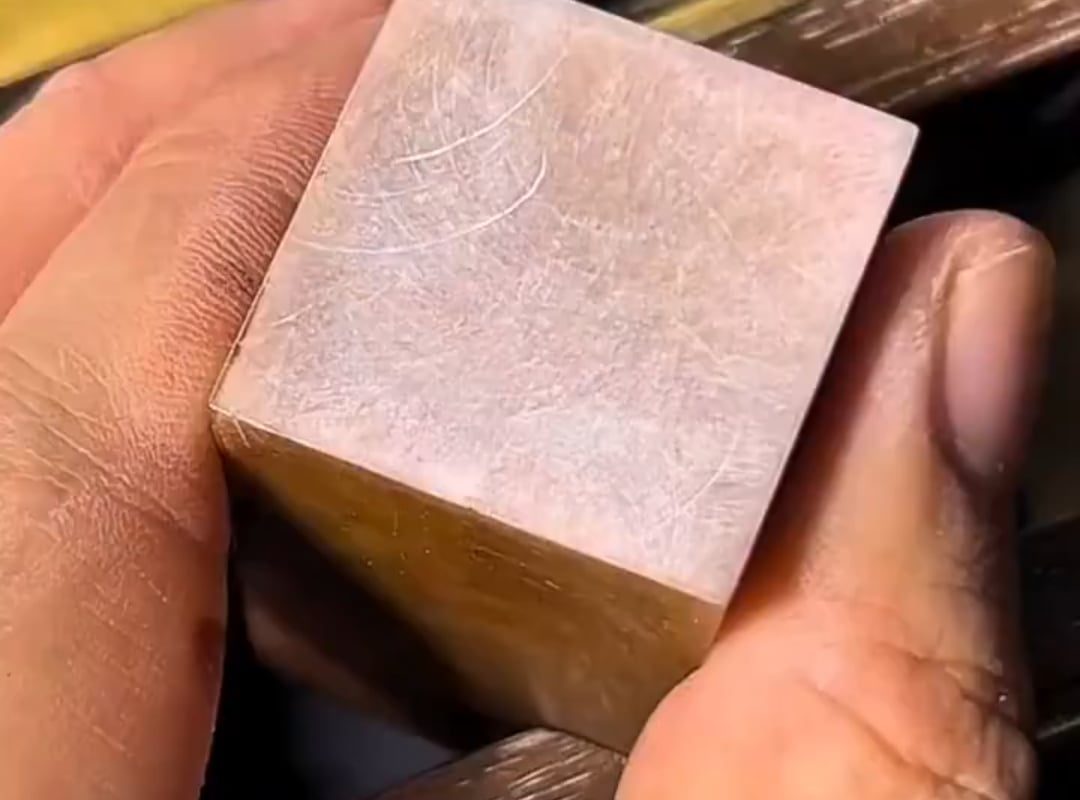
Hand-engraving fine cross-hatching on a wooden block!
Mastering the Craft: Hand-Engraving Fine Cross-Hatching on Wooden Blocks
Woodblock engraving is an ancient art form, revered for its tactile beauty and connection to traditional printmaking. Among its most intricate techniques is fine cross-hatching – a delicate dance of intersecting lines that creates depth, texture, and shadow. Hand-engraving cross-hatching requires patience, precision, and an intimate understanding of wood grain and tool control. In this guide, we delve into the process, tools, and expert tips for mastering this timeless skill.
What is Cross-Hatching in Wood Engraving?
Cross-hatching involves engraving two or more sets of parallel lines that intersect at angles, creating a mesh-like pattern. When carved meticulously, this technique adds:
- Shading & Dimension: Mimics gradients from light to dark.
- Texture: Simulates surfaces like fabric, foliage, or weathered stone.
- Artistic Contrast: Enhances focal points in illustrations or typography.
This method is especially prized in ex-libris bookplates, fine-art prints, and ornamental designs for its ability to replicate the softness of pencil sketches in rigid wood.
Tools for Precision Cross-Hatching
Achieving fine cross-hatching starts with the right tools:
-
Gravers/Engraving Tools:
- Lozenge-shaped gravers: Ideal for clean, hair-thin lines.
- V-point tools: For controlled micro-lines and stippling.
- Sharpening stones & strops: Razor-sharp edges are non-negotiable!
-
Wood Selection:
- End-Grain Hardwoods: Boxwood, lemonwood, or maple offer tight, consistent grain.
- Smooth Surface Prep: Sand to at least 400-grit; seal with diluted shellac for crisp cuts.
-
Magnification & Lighting:
- Use a jeweler’s loupe (4x–10x) for detail work.
- Angle-poise lamps prevent glare and shadows.
Step-by-Step: Engraving Fine Cross-Hatching
1. Prepare Your Design
- Sketch Lightly: Transfer your design with graphite paper. Avoid pressing hard to prevent denting the wood.
- Plan Line Angles: Map intersecting lines at 30–60° angles. Consistency is key to visual harmony.
2. Master the Push Stroke
- Hold the Graver Like a Pen: Tilt it slightly forward (15–20°) with your dominant hand.
- Shallow Cuts First: Begin with faint guide lines, deepening them gradually. Let the tool glide—don’t force it.
- Steady Rhythm: Short, controlled strokes prevent slips. Rotate the block, not your wrist, for angled lines.
3. Intersect Lines Thoughtfully
- Mind the Spacing: Closer lines = darker tones. Keep spacing <1mm for fine hatching.
- Avoid Overlapping Corners: Lines should meet cleanly without overlapping splinters.
4. Clean Up Fragile Grooves
- Brush Away Debris: Use a soft brush (no compressed air – it can fracture tiny ridges).
- Burnish Lightly: Polish cuts with agate or bone for smoother ink release.
Pro Tips for Flawless Results
- Practice on Scrap Wood: Test line depth and angles before committing to the final piece.
- Work Against the Grain: Engrave perpendicular to the grain direction to avoid chipping.
- Consistency > Speed: Slow, even pressure prevents “chatters” (uneven lines).
- Embrace Imperfections: Minor wobbles add charm – this is handcrafted art!
Avoiding Common Pitfalls
- Tearing Wood Grain: Dull tools or incorrect angles cause splintering. Sharpen gravers often.
- Inconsistent Darkness: Vary line density instead of cutting deeper – uneven depth affects printing.
- Eye Strain: Take breaks every 20 minutes to maintain focus.
Finishing & Printing Your Engraved Block
After engraving:
- Clean Edges: Remove burrs with fine sandpaper (600+ grit).
- Ink Test: Roll water-soluble ink onto the block and print on scrap paper. Adjust cuts as needed.
- Seal for Longevity: Dab linseed oil into the grain (sparingly!) to protect from moisture.
Hand-engraved cross-hatching shines when printed traditionally – the subtle interplay of light and shadow is unmatched!
Why Hand-Engraving Still Matters
In an era of laser-cut precision, hand-engraved cross-hatching celebrates craftsmanship. Each line carries the artist’s touch, making every print a one-of-a-kind heirloom. Whether you’re a printmaker, woodworker, or hobbyist, mastering this technique connects you to centuries of artisans who shaped visual storytelling with gouge and graver.
Final Thought
Fine cross-hatching isn’t just a technique – it’s meditation in motion. As your tool whispers across the wood, remember: perfection lies in the patience of the process. Embrace the rhythm, respect the grain, and let every cut tell a story.
FAQ Section
Q: Can I use softwoods for cross-hatching?
A: Not recommended – they splinter easily. Stick to dense end-grain hardwoods.
Q: How do I fix a misplaced line?
A: Fill minor errors with wood filler, let dry, and re-engrave. Embrace deeper mistakes as part of the design!
Q: What angle is best for cross-hatching?
A: 45° is classic, but 30° or 60° can add dynamic movement.
Q: Can I achieve color gradients with cross-hatching?
A: Yes! By layering ink colors or using multi-block printing techniques.
Optimize your artistry – start engraving today! 🔍✨