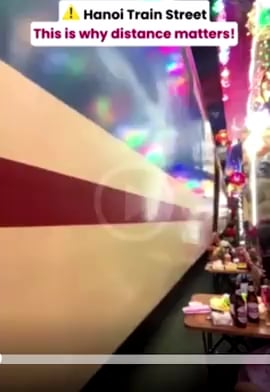
Hanoi’s popular train street
Hanoi’s Train Street: A Thrilling Journey Through History and Culture
Hanoi’s Train Street has captivated travelers and photographers worldwide with its unique blend of danger, charm, and ordinary urban life. Nestled in the heart of Vietnam’s bustling capital, this viral attraction offers an unforgettable glimpse into Hanoi’s resilient spirit and the astonishing proximity between daily life and roaring locomotives. In this guide, we’ll dive into the history, safety tips, and best ways to experience this iconic spot responsibly.
What is Hanoi’s Train Street?
Train Street (known locally as “Phố Tàu Hỏa”) is a narrow residential street in Hanoi’s Old Quarter where a functioning railroad track runs just inches away from homes, cafes, and shops. Built during French colonial rule in the early 20th century, the railway was designed to connect Hanoi to northern provinces. As the city expanded, families settled alongside the tracks, creating a one-of-a-kind neighborhood where children play, vendors sell goods, and locomotives thunder past up to twice a day.
Until recently, visitors gathered here to witness—and photograph—the surreal sight of a train squeezing through homes with mere centimeters of clearance. While the street faced temporary closures due to safety concerns, parts of it have reopened, offering a safer yet still thrilling experience.
Why is Train Street So Popular?
- The Adrenaline Factor: Few places on earth let you stand within arm’s reach of a speeding train. It’s a heart-pounding spectacle with deep cultural roots.
- Photographer’s Paradise: The cramped alley framed by crumbling colonial houses, hanging laundry, and vibrant cafés creates a dream setting for striking images.
- Authentic Hanoi Life: Beyond the train, it’s a living community where locals cook, chat, and go about their day—a stark contrast to manicured tourist attractions.
Visiting Train Street: What You Need to Know
Train Schedule
Trains pass through at irregular times, but most come between 3:00 PM and 7:00 PM daily. Confirm exact timings via local café owners or online forums, as delays are common.
Safety First!
- Stand Clear: Move into doorways or designated safe zones when the train approaches. Guards or locals often signal warnings.
- No Trespassing: Never walk or sit on active tracks. The trains are fast, loud, and cannot stop quickly.
- Respect Residents: Keep noise low, avoid blocking pathways, and patronize local cafés (more on that below).
How to Access Train Street
As of 2024, Hanoi’s government restricts unofficial visits to ensure safety. To enter, visit a licensed café along the tracks. Most require a drink purchase (around 30,000–50,000 VND / $1.20–$2 USD) to sit in their viewing areas. Popular spots include:
- Railway Café: Known for its rustic charm and strong Vietnamese coffee.
- Hanoi House: Offers balcony seating for unobstructed photos.
- Ga Đông Dương: Displays vintage railway memorabilia.
Beyond the Train: Unique Experiences
- Sip Egg Coffee: Train Street’s cafés serve Hanoi’s famous cà phê trứng (egg coffee)—a creamy, sweet delight.
- Explore the Neighborhood: Wander the labyrinthine alleys to discover hidden temples, street food stalls, and generations-old homes.
- Sunrise or Sunset Visits: Avoid crowds by coming early morning or late afternoon for softer light and cooler temps.
The Controversy: Why Was Train Street Closed?
In 2019, authorities temporarily banned tourists due to overcrowding and reckless behavior (e.g., selfies on tracks). After pushback from locals who relied on tourism income, a compromise allowed cafés to reopen under strict safety rules. Today, sustainability is key: support businesses that prioritize safety and community needs.
How to Get There
- Location: The most famous section runs between Lê Duẩn Street and Phùng Hưng Street in Hoàn Kiếm District.
- Transport: Grab a taxi or ride-hail motorbike (like Grab) to “Train Street Hanoi.” From Hoàn Kiếm Lake, it’s a 15-minute walk.
- Nearby Attractions: Combine your visit with stops at the Old Quarter, Dong Xuan Market, or the Hanoi Opera House.
Responsible Tourism Tips
- Buy Local: Purchase drinks or snacks from family-run cafés instead of lingering without spending.
- No Flash Photography: Respect residents’ privacy; ask permission before photographing people.
- Educate Fellow Travelers: Discourage dangerous behavior like ignoring safety barriers.
Final Thoughts
Hanoi’s Train Street is a microcosm of the city itself—chaotic, resilient, and brimming with stories. While its heyday of unfiltered access has passed, its spirit endures. By visiting mindfully, you’ll not only witness an engineering marvel but also support the families who’ve turned this precarious corner into a global icon.
Pro Tip: Pair your visit with a street food tour to sample bánh mì, phở, and other Hanoi classics nearby!
Meta Keywords: Hanoi Train Street, Vietnam railway street, Hanoi travel guide, Train Street Hanoi safety, Old Quarter attractions, best time to visit Train Street, Hanoi cultural spots.
Meta Description: Discover Hanoi’s iconic Train Street: history, safety tips, café access, and photography secrets. Explore this viral hotspot responsibly in 2024!
Ready to plan your Hanoi adventure? Bookmark this guide, and embrace the unforgettable energy of Train Street! 🚂🇻🇳