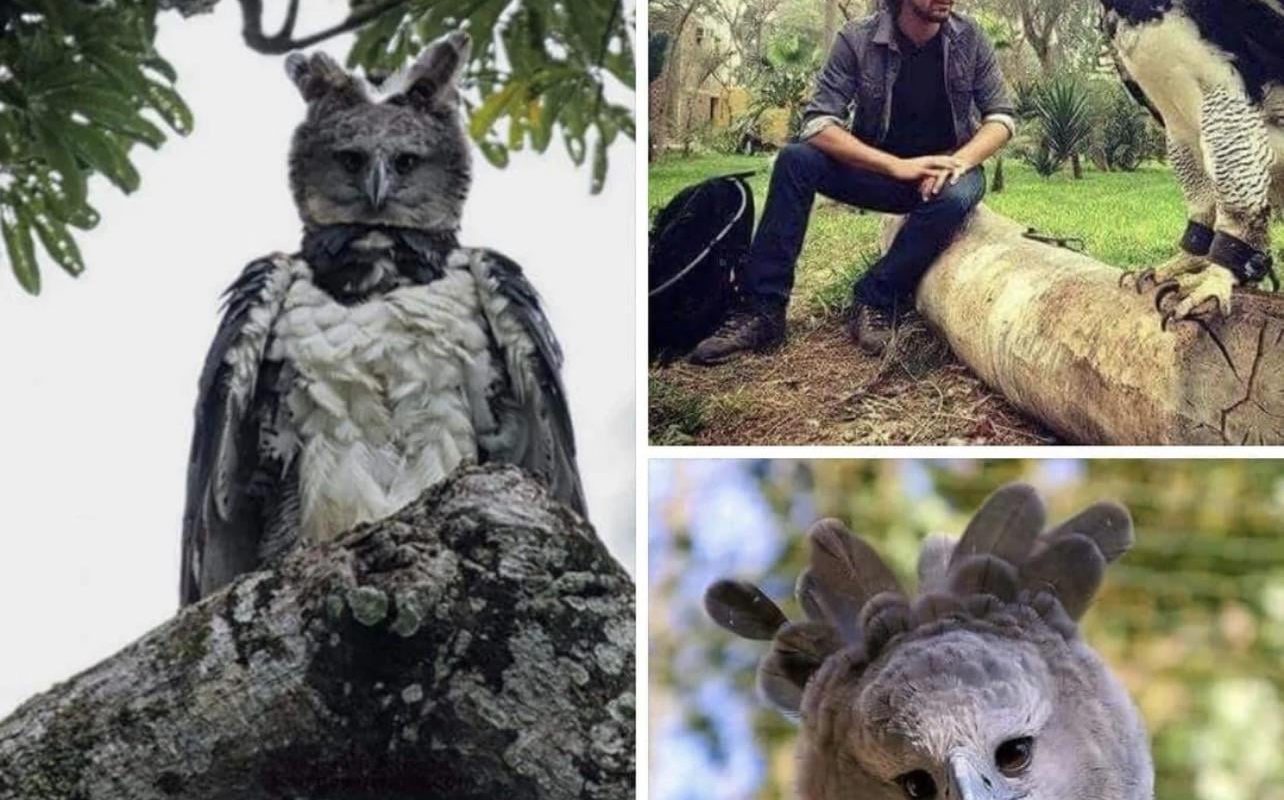
Harpy Eagle 🦅
Title: The Harpy Eagle: King of the Rainforest Canopy
🌿 Discover the Majesty, Behavior, and Conservation of One of Earth’s Most Powerful Raptors
Introduction
The Harpy Eagle (Harpia harpyja) is one of the most awe-inspiring birds of prey on Earth. With its formidable size, striking appearance, and status as an apex predator, this raptor reigns over the rainforests of Central and South America. In this article, we dive into the biology, habitat, and conservation challenges of this majestic eagle—and why protecting it is crucial for biodiversity.
1. Meet the Harpy Eagle: Physical Characteristics
The Harpy Eagle is often called the “flying wolf” due to its incredible strength and dominance in the rainforest. Key features include:
- Size: Females (larger than males) weigh up to 20 lbs (9 kg) and boast a 6.5-foot (2-meter) wingspan.
- Distinctive Look: Gray-black plumage, a crown of feather crests, and piercing eyes.
- Powerful Talons: Its claws (up to 5 inches long) can exert 500+ psi of pressure—stronger than a grizzly bear’s grip!
- Adaptations: Short wings and a long tail enable agile flight through dense forests.
2. Habitat: The Rainforest’s Apex Predator
Harpy Eagles thrive in pristine tropical and subtropical rainforests, including:
- Countries: Brazil, Panama, Guyana, Venezuela, and parts of Mexico.
- Nesting: They build massive nests high in kapok or Brazil nut trees, reused for decades.
- Territory: A single pair needs ~30 square miles of forest to hunt effectively.
3. Diet and Hunting Behavior
As apex predators, Harpy Eagles hunt medium-sized arboreal mammals:
- Primary Prey: Sloths, monkeys (howler, capuchin), iguanas, and tree-dwelling rodents.
- Ambush Tactics: They strike silently from above, using surprise and speed (up to 50 mph in dives).
- Strength: Can lift prey weighing up to 70% of their body mass!
4. Reproduction and Family Life
- Monogamous Pairs: Bond for life, breeding every 2–3 years.
- Eggs & Chicks: Females lay 1–2 eggs; only one chick typically survives. Parents care for the young for up to 2 years.
- Slow Maturation: Juveniles take 4–5 years to develop adult plumage and breeding capabilities.
5. Conservation Status: An Endangered Icon
Despite their power, Harpy Eagles face existential threats:
- Deforestation: Logging and agricultural expansion destroy nesting and hunting grounds.
- Hunting: Persecuted by humans due to misconceptions about livestock predation.
- IUCN Status: Near Threatened (population estimates: ~50,000 left in the wild).
Conservation Efforts:
- Protected Areas: Reserves like Brazil’s Amazon Rainforest and Panama’s Darién Gap offer refuge.
- Breeding Programs: Zoos and NGOs work to reintroduce eagles into restored habitats.
- Education: Local communities are taught the eagle’s ecological role as a keystone species.
6. Cultural Significance
- Mythology: Named after the harpies of Greek myth—fierce winged spirits. Indigenous tribes revere it as a symbol of strength and a guardian of the forest.
- National Pride: Panama’s national bird, featured on the country’s coat of arms.
7. How to Help Harpy Eagles
- Support Rainforest Conservation: Donate to organizations like Rainforest Trust or World Wildlife Fund (WWF).
- Eco-Tourism: Choose responsible tours that fund local protection efforts.
- Spread Awareness: Share facts about the Harpy Eagle’s role in balancing ecosystems.
Conclusion
The Harpy Eagle is not just a biological wonder—it’s a living barometer of rainforest health. By protecting this avian titan, we safeguard countless other species and the lungs of our planet. Let’s ensure future generations can witness the Harpy Eagle’s majestic flight through intact jungles.
🦅 Fun Fact: A Harpy Eagle’s grip is so strong it can crush a monkey’s skull instantly!
SEO Keywords: Harpy Eagle, largest eagle, rainforest raptor, endangered birds, apex predator, tropical rainforest conservation, Panama national bird, powerful talons, keystone species.
Image Alt Text for SEO: “Harpy Eagle perched on a tree branch in the rainforest, showcasing its gray-black plumage and powerful talons.”
Ready to soar into action for wildlife? Share this article to champion the Harpy Eagle’s survival! 🌳✨