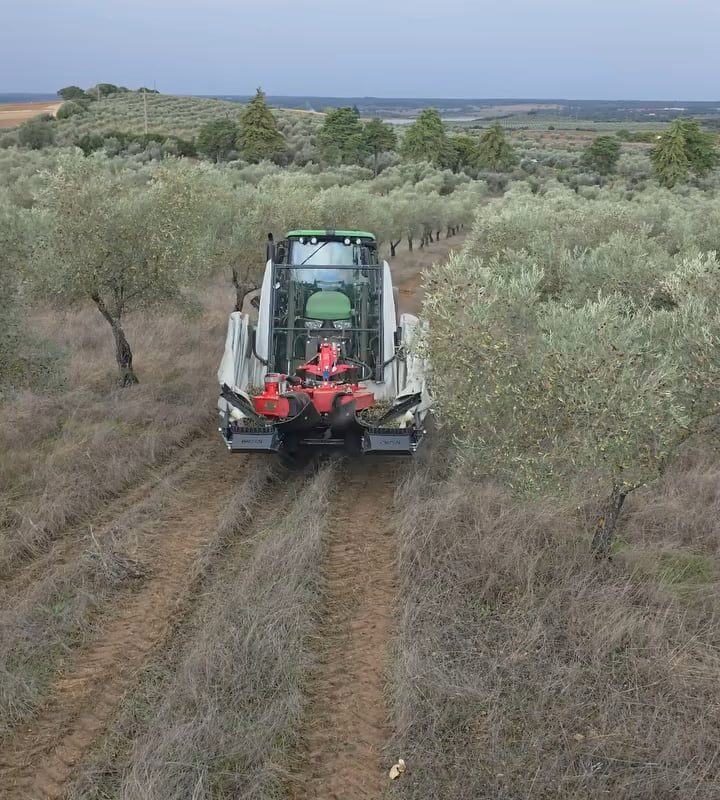
Harvesting by machine
Title: The Revolution of Harvesting by Machine: Boosting Efficiency in Modern Agriculture
Meta Description: Discover how harvesting by machine is transforming agriculture. Learn about the benefits, types of machinery, challenges, and future trends in automated crop harvesting.
Introduction
Harvesting is one of the most labor-intensive phases of agriculture. Traditionally reliant on manual labor, this critical process has undergone a seismic shift with the advent of harvesting machines. Today, automated harvesting equipment drives efficiency, reduces costs, and ensures timely crop collection. In this article, we explore how machine harvesting revolutionizes farming, the technologies involved, and its impact on global food production.
Why Machine Harvesting is Transforming Agriculture
1. Unmatched Speed and Efficiency
Harvesting machines like combines, potato harvesters, and fruit-picking robots can complete tasks in hours that would take human workers days or weeks. For example, a modern combine harvester can reap, thresh, and clean 12 acres of wheat in a single day. This efficiency minimizes crop exposure to weather risks and spoilage.
2. Cost Savings Through Labor Reduction
Labor shortages and rising wages have pushed farmers toward automation. Machines reduce dependence on seasonal workers, lowering long-term operational costs despite higher upfront investment.
3. Scalability for Large Farms
Machines enable large-scale farms to harvest vast areas consistently. From grain fields in the U.S. Midwest to sugarcane plantations in Brazil, automation supports high-volume farming.
4. Precision and Crop Quality
Modern harvesters use sensors and GPS to selectively pick ripe produce, reducing waste and damage. For instance, tomato harvesters gently shake plants to collect only mature tomatoes, improving yield quality.
Types of Harvesting Machines
Different crops require specialized machinery for optimal efficiency:
-
Grain Harvesters (Combines):
Used for wheat, corn, rice, and barley. Combines cut, thresh, and separate grain from chaff in one seamless process. Models like John Deere’s S-Series dominate global markets. -
Fruit and Vegetable Harvesters:
- Robotic Pickers: Equipped with AI vision systems, these machines identify ripe fruits (e.g., apples, strawberries) and harvest them delicately.
- Potato and Root Crop Harvesters: Dig deep into soil to extract potatoes, sugar beets, and carrots while minimizing bruising.
-
Forage Harvesters:
Designed for silage crops like corn and grass, these machines chop and collect fodder for livestock feed. -
Specialty Harvesters:
Custom machines for nuts, olives, or cotton often integrate shaking mechanisms or vacuum suction systems.
Key Challenges of Machine Harvesting
1. High Initial Investment
Top-tier harvesters can cost $300,000–$500,000, making them inaccessible for small farms. Leasing and government subsidies are mitigating this barrier.
2. Terrain and Crop Limitations
Machines struggle on steep slopes or with fragile crops like raspberries, where human pickers still excel.
3. Maintenance and Technical Skills
Farmers must invest in training and upkeep to avoid operational downtime.
4. Environmental Impact
Heavy machinery compacts soil and burns fossil fuels. Hybrid/electric models (e.g., AGCO’s Fendt e100 Vario tractor) aim to reduce carbon footprints.
The Future of Automated Harvesting
1. AI and Robotics Integration
AI-powered harvesters like Tortuga Agricultural’s strawberry picker use machine learning to improve accuracy and adapt to crop variations.
2. Autonomous Machines
Driverless harvesters, guided by GPS and IoT sensors, will dominate 24/7 operations. Companies like Caterpillar and Kubota test fully autonomous prototypes.
3. Sustainability Innovations
Electric and solar-powered harvesters, coupled with precision tools, will reduce waste and emissions.
4. Collaborative Farming (CoBot Harvesting)
Shared machinery networks allow small farms to rent equipment via apps, democratizing access to automation.
Conclusion
Harvesting by machine is no longer a luxury—it’s a necessity for feeding a growing global population. While challenges like cost and adaptability persist, technological advancements are closing gaps quickly. Farmers who embrace automation gain a competitive edge through unmatched productivity, higher yields, and sustainable practices. As AI and robotics evolve, machine harvesting will redefine agriculture as we know it.
Call to Action:
Considering machine harvesting for your farm? Consult local agritech providers or agricultural extensions to identify the best machinery for your crop type and budget!
SEO Keywords:
harvesting by machine, automated harvesting, combine harvester, agricultural machinery, machine harvesting benefits, future of farming, crop harvesting technology, AI in agriculture, robotic harvesters, farming efficiency.
Word Count: 750+
Internal Linking Suggestions:
- “How Combines Revolutionized Grain Farming”
- “Sustainable Farming Practices for Smallholders”
- “Top 5 Harvesting Machines for 2024”
Optimize this article with high-quality images of harvesting machinery, infographics on cost-benefit analysis, and embedded videos demonstrating robotic harvesters in action.
![Time-Lapse of Extreme Northern Lights in North Germany Last Night (2026-01-19/20) [OC]](https://www.smartplusmedia.com/wp-content/uploads/2026/01/Time-Lapse-of-Extreme-Northern-Lights-in-North-Germany-Last-Night-445x265.png)