Harvesting Olives
The Art and Science of Harvesting Olives: A Comprehensive Guide
For millennia, olives have been revered as a symbol of peace, wisdom, and abundance. Beyond their rich cultural significance, olives are a cornerstone of Mediterranean cuisine and a global industry valued for their oil and table fruit. The journey from tree to table begins with one critical step: harvesting olives. Whether you’re a small-scale hobbyist or a commercial grower, understanding the best practices for olive harvesting ensures optimal flavor, oil quality, and yield.
In this guide, we’ll explore the when, why, and how of harvesting olives, along with tips for maximizing your harvest’s potential.
Why Proper Olive Harvesting Matters
Harvesting olives at the right time and in the right way directly impacts:
- Oil quality: Ripe olives yield more oil with balanced acidity and robust flavor.
- Table olive taste: Texture and bitterness depend on harvest timing and processing.
- Tree health: Gentle harvesting preserves next year’s buds and reduces stress on trees.
When to Harvest Olives: Timing Is Everything
Olives transition from green to purple-black as they ripen, but the “perfect” harvest window depends on your goals:
-
Green Olives (Early Harvest)
- Color: Bright green, firm fruit.
- Flavor profile: Bitter, pungent notes (ideal for bold olive oils or brined table olives).
- Oil yield: Lower quantity but higher antioxidant content.
-
Blush to Purple (Mid-Harvest)
- Color: Mix of green and purple.
- Flavor profile: Balanced bitterness and fruitiness (popular for versatile oils).
-
Black Olives (Fully Ripe)
- Color: Deep purple or black, softer fruit.
- Flavor profile: Milder, buttery taste (common for table olives).
- Oil yield: Maximum quantity, though oil may be less complex.
Regional Timing:
In the Northern Hemisphere (e.g., Italy, Spain, California), olives are typically harvested between October and January. Southern Hemisphere regions (e.g., Australia, Chile) harvest from April to July.
Pro Tip: Test ripeness by squeezing a few olives—ripe fruit will release a milky liquid.
How to Harvest Olives: Methods & Tools
1. Hand-Picking (Selective Harvesting)
- Best for: Small orchards, table olives, or premium oil production.
- Tools: Gloves, rakes, or handheld pneumatic combs.
- Process: Pluck olives gently to avoid bruising. Labor-intensive but preserves fruit integrity.
2. Beating or Raking (Semi-Mechanical)
- Best for: Medium-sized operations.
- Tools: Long wooden sticks, hand rakes, or electric vibrators hooked to branches.
- Process: Shake or comb branches to drop olives onto nets/tarps spread beneath trees.
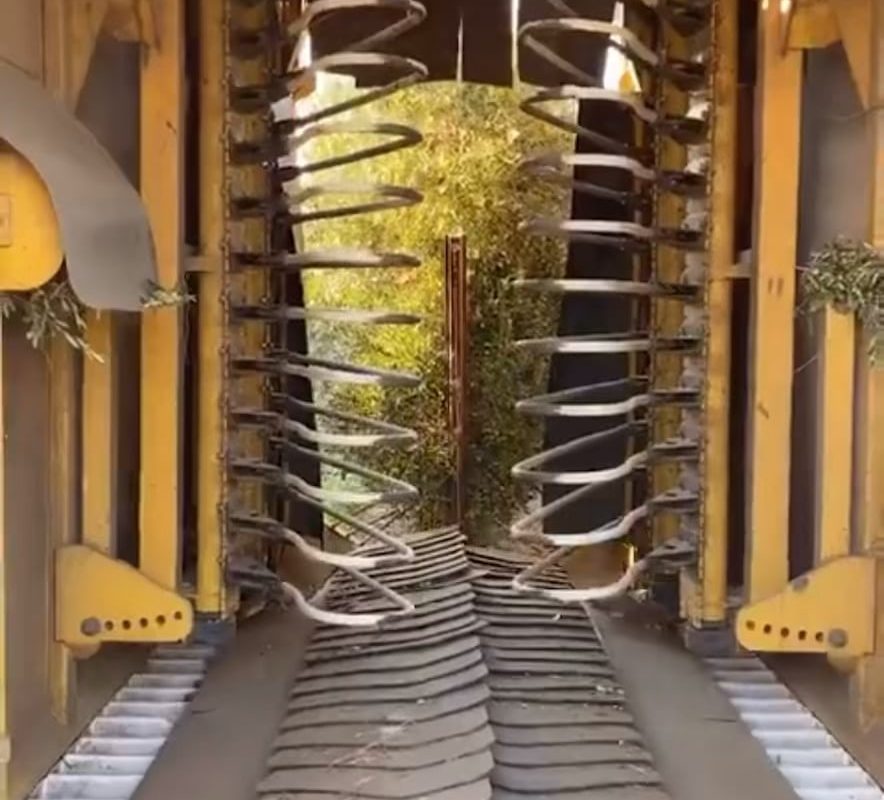
3. Mechanical Harvesting (Large-Scale)
- Best for: Commercial orchards with dwarf or trellised trees.
- Tools: Tractor-mounted shakers that grip trunks or limbs.
- Efficiency: Fast but may cause branch damage if improperly calibrated.
Post-Harvest Processing: From Fruit to Final Product
After harvesting, olives must be processed quickly to prevent spoilage:
-
Sorting & Cleaning
- Remove leaves, twigs, and damaged fruit.
- Rinse with water to eliminate dirt/debris.
-
Curing (Table Olives)
- Brining: Soak in saltwater for months to reduce bitterness.
- Lye curing: Faster method using food-grade lye (requires caution).
-
Pressing (Olive Oil)
- Crush olives into paste, then centrifuge to extract oil.
- Cold-pressed: Oil extracted below 27°C (80°F) retains maximum nutrients.
-
Storage
- Fresh olives: Store in a cool, dark place for up to 3 days before processing.
- Oil: Keep in dark glass bottles away from heat/light.
3 Common Olive Harvesting Mistakes to Avoid
- Waiting Too Long: Overripe olives oxidize, leading to rancid oil or mushy fruit.
- Using Dirty Tools: Contaminants can spoil entire batches.
- Ignoring Tree Health: Aggressive harvesting weakens trees over time.
Conclusion: The Reward of Patience and Precision
Harvesting olives is both a science and an art—requiring observation, timing, and care. By aligning your methods with your goals (oil vs. table olives), you’ll unlock the full potential of this ancient, versatile fruit. Whether you’re pressing golden oil for your kitchen or curing briny olives for a charcuterie board, a mindful harvest ensures your efforts yield delicious results.
Did You Know? It takes 5–10 kg of olives to produce just 1 liter of olive oil! Every fruit counts—so harvest wisely.
—
Optimize Your Orchard: Explore our guides on [pruning olive trees] or [organic pest control] to maximize next year’s yield!
Keywords: Harvesting olives, olive harvesting methods, when to pick olives, olive oil production, curing table olives, olive tree care.
Meta Description: Learn how to harvest olives like a pro! This guide covers timing, techniques, and tips for maximizing oil quality and table-ready flavor.