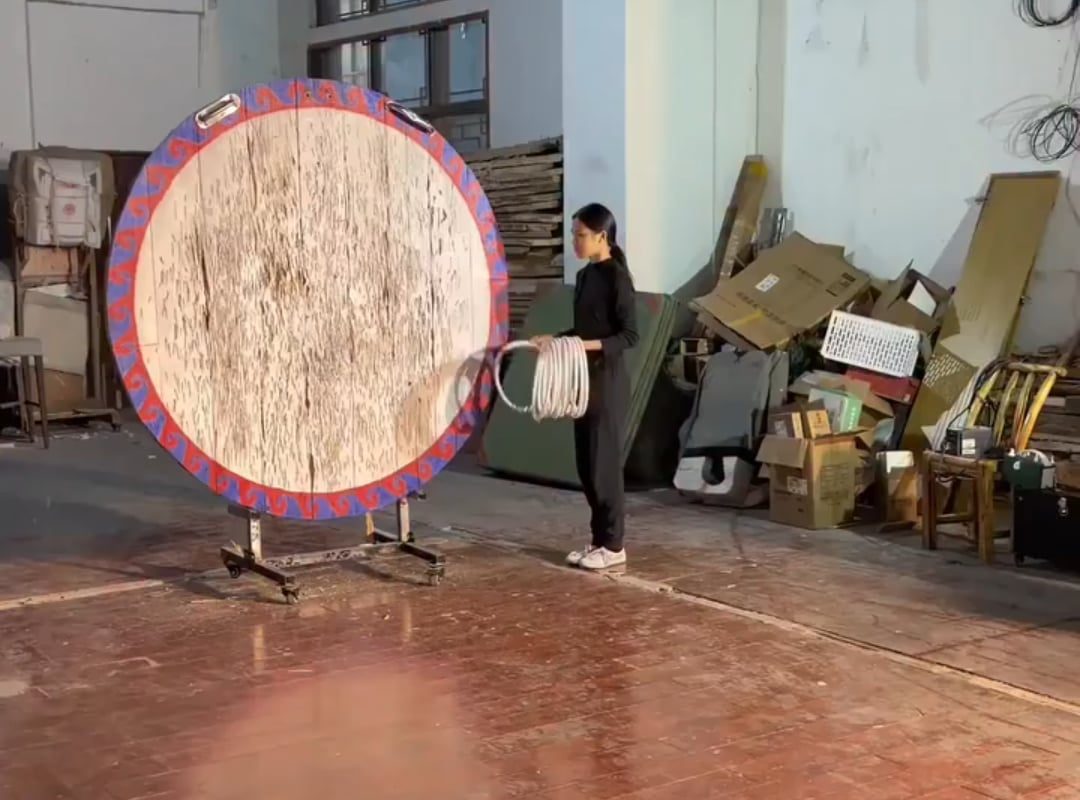
His knife throwing skills are next-level!
Next-Level Knife Throwing: Mastering the Art of Blade Precision
Knife throwing isn’t just a hobby—it’s a mesmerizing blend of skill, focus, and artistry. When someone says, “His knife throwing skills are next-level!”, they’re describing more than accuracy; they’re talking about mastery. Whether you’re a hobbyist or an aspiring performer, understanding what defines “next-level” skills can transform your technique and turn heads.
What Makes Knife Throwing Skills “Next-Level”?
True expertise in knife throwing transcends hitting a target. It’s about precision, consistency, and flawless execution under pressure. Here’s what separates beginners from masters:
-
Unmatched Precision
- Hitting a bullseye repeatedly at varying distances (e.g., 10–30 feet).
- Throwing knives of different weights/styles with the same accuracy.
-
No-Spin vs. Spin Techniques
- No-spin throws: Mastery of the controlled, rotation-free throw—ideal for speed and close-range targets.
- Dynamic spins: Adjusting rotations mid-air for targets at 15+ feet (e.g., ½, 1, or 1.5 rotations).
-
Speed & Flow
Performers like Anthony Michaels or Adam Celadin demonstrate rapid sequences of throws while moving, turning the act into a kinetic spectacle. -
Control Over Variables
Next-level throwers compensate for wind, lighting, and uneven surfaces effortlessly. -
The Psychology of Focus
Blade throwing demands intense mental clarity—blocking distractions and trusting muscle memory.
How to Elevate Your Knife Throwing Skills
Ready to go from amateur to elite? Here’s how:
💡 Master the Fundamentals First
- Grip: Experiment with hammer, pinch, or saber grips to find what suits your style.
- Stance: A balanced, consistent posture (e.g., sideways or squared) stabilizes throws.
- Release: Smooth, repeatable wrist motion is critical—no jerking!
🎯 Progressive Drills for Consistency
- Start with large targets at short distances (5–7 feet), then gradually increase range.
- Use numbered bullseyes to track patterns in accuracy.
- Practice with identical knives to eliminate variables.
Advanced Techniques to Learn
- Moving Targets: Throw at swinging boards or rolling objects.
- Multiple Knives: Juggle and throw 2–3 blades in succession.
- Trick Shots: Bounce throws, under-the-leg tosses, or throws behind the back (safely!).
Tools of the Trade
- Throwing Knives: Opt for balanced, non-edged blades (e.g., Cold Steel Sure Flight or SOG Throwing Knives).
- Targets: Layered foam boards or softwood (like cedar) absorb impact and prolong knife life.
Common Mistakes Holding You Back
Avoid these pitfalls to fast-track your progress:
- Over-rotating: Too many spins = missed targets. Adjust release angle based on distance.
- Death Gripping: Holding the knife too tightly disrupts release. Stay relaxed.
- Inconsistent Routine: Skill-building requires daily practice—even 15 minutes counts!
Where to Showcase Next-Level Skills
Once you’ve honed your craft, opportunities abound:
- Circus Arts/Street Performance: Add flair with dramatic throws and audience engagement.
- Competitions: Events like the IKTHOF International Knife Throwing League rank global talent.
- Film/Stunt Work: Precision throwers are in demand for action scenes.
The Thrill of Mastery
Knife throwing is a pursuit where discipline meets creativity. When your skills hit “next-level,” you’re not just throwing metal—you’re commanding attention, defying odds, and turning a deadly tool into art.
Ready to take aim? Grab your knives, set up a target, and let every throw bring you closer to legendary status. 🔥
Keywords for SEO: Knife throwing skills, advanced knife throwing, precision throwing techniques, how to throw knives like a pro, no-spin knife throwing, competitive knife throwing, best knives for throwing.