Horizontal drilling to install underground pipeline with minimal disruption
SEO Article: Horizontal Directional Drilling – Installing Underground Pipelines with Minimal Disruption
H1: Horizontal Directional Drilling (HDD): The Trenchless Solution for Underground Pipeline Installation
In urban and environmentally sensitive areas, traditional open-cut excavation for pipeline installation causes chaos—disrupting traffic, damaging landscapes, and inflating costs. Enter horizontal directional drilling (HDD), a trenchless technology revolutionizing underground utilities installation with pinpoint precision and minimal impact. This guide explores how HDD enables efficient, eco-friendly pipeline construction beneath roads, rivers, and communities without the mess.
What is Horizontal Directional Drilling (HDD)?
Horizontal directional drilling is a trenchless method that installs pipelines underground by steering a drill rig along a predefined path. Unlike disruptive open-cut excavation, HDD avoids digging large trenches and preserves surface structures, ecosystems, and public infrastructure.
Key Applications of HDD:
- Oil & gas pipelines
- Water and sewer networks
- Fiber-optic cables and telecom conduits
- Electrical and utility lines
- Environmental remediation systems
How HDrilling Works: Minimizing Disruption Step by Step
1. Pre-Construction Planning
- Site Survey: Engineers map underground obstacles (utilities, bedrock) using ground-penetrating radar (GPR) and GIS data.
- Path Design: A drill path is plotted below sensitive areas (roads, wetlands) to “bore around” disruptions.
2. Pilot Hole Drilling
- A small, steerable drill head launches from the surface, guided by real-time tracking systems to maintain accuracy.
- Drilling fluid (a bentonite mix) lubricates the hole, stabilizes soil, and carries cuttings to the surface.
3. Hole Reaming
- The pilot hole is widened incrementally to accommodate the pipeline diameter (e.g., 12 inches to 48 inches).
4. Pipe Pullback
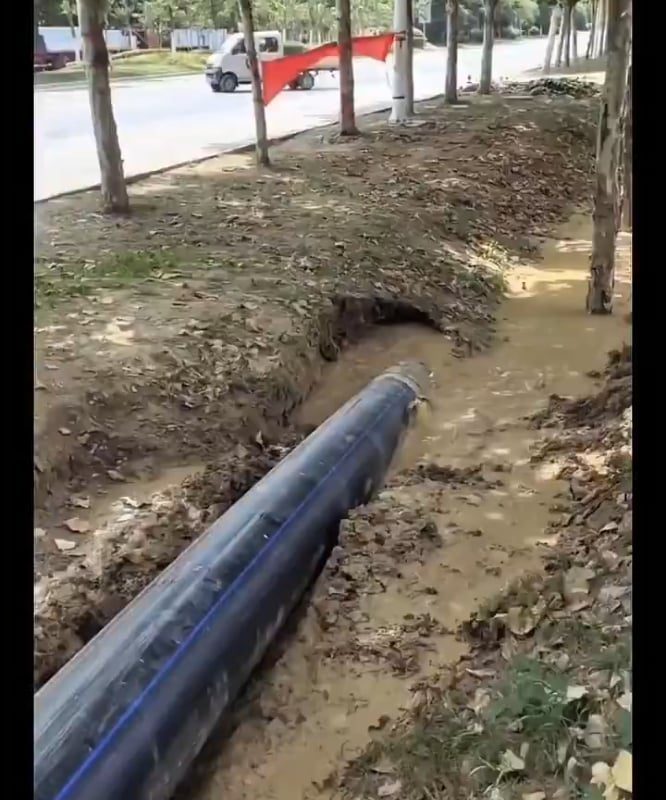
- The pipeline is attached to the reamer and pulled through the pre-drilled hole—swiftly and with no surface disturbance.
5 Advantages of HDD for Underground Pipeline Projects
-
Minimal Surface Disruption
- No open trenches mean zero road closures, reduced noise, and preserved landscaping. Ideal for urban areas and historic sites.
-
Cost-Effective & Faster Execution
- Bypasses costly surface restoration and traffic control. Projects finish up to 50% faster than traditional methods.
-
Environmental Protection
- Protects rivers, wetlands, and wildlife habitats by tunneling beneath them, not through them.
-
All-Weather Installation
- HDD operates in rain, snow, or challenging terrains where excavation is impractical.
-
Future-Proof Infrastructure
- Deeper installations reduce risk of damage from future construction or natural erosion.
Where HDD Shines: Real-World Use Cases
- Urban Utility Upgrades: Installing gas lines under downtown streets without halting traffic.
- River Crossings: Running water pipelines beneath salmon-spawning rivers in the Pacific Northwest.
- Borehole Renewables: Connecting offshore wind farms via subsea electrical conduits.
Environmental &Community Benefits of Trenchless Drilling
- Soil Integrity Preserved: No topsoil removal prevents erosion and sedimentation.
- Reduced Carbon Footprint: Less heavy equipment usage cuts emissions by 30% compared to open-cut methods.
- Community Satisfaction: Avoids noise, dust, and property devaluation linked to traditional digging.
Challenges and Considerations
While HDD excels in most scenarios, its success depends on:
- Geotechnical Surveys: Rocky or unstable soils require specialized drill bits.
- Depth Precision: Greater depths (up to 200 feet) demand advanced steering tools.
- Cost Variables: Mobilization and drilling fluid disposal can affect budgets.
Conclusion: Embrace Trenchless Innovation with HDD
Horizontal directional drilling merges engineering precision with environmental stewardship, offering a smarter way to build underground pipelines. For municipalities, energy companies, and contractors alike, HDD delivers future-ready infrastructure with less hassle, lower costs, and lasting community goodwill.
FAQ Section
Q: How deep can HDD install pipelines?
A: Typically 10–200 feet deep, depending on soil conditions and project scope.
Q: Does HDD work in rocky terrain?
A: Yes, with hardened drill bits and adjusted drilling fluid pressure.
Q: What pipeline materials work with HDD?
A: HDPE, PVC, steel, and ductile iron pipes are all compatible.
Target Keywords:
- Horizontal directional drilling
- Trenchless pipeline installation
- Minimal disruption underground utilities
- HDD drilling benefits
- Underground pipeline construction
Optimize your next project with HDD—where innovation meets efficiency, underground. 🚧➡️🌍