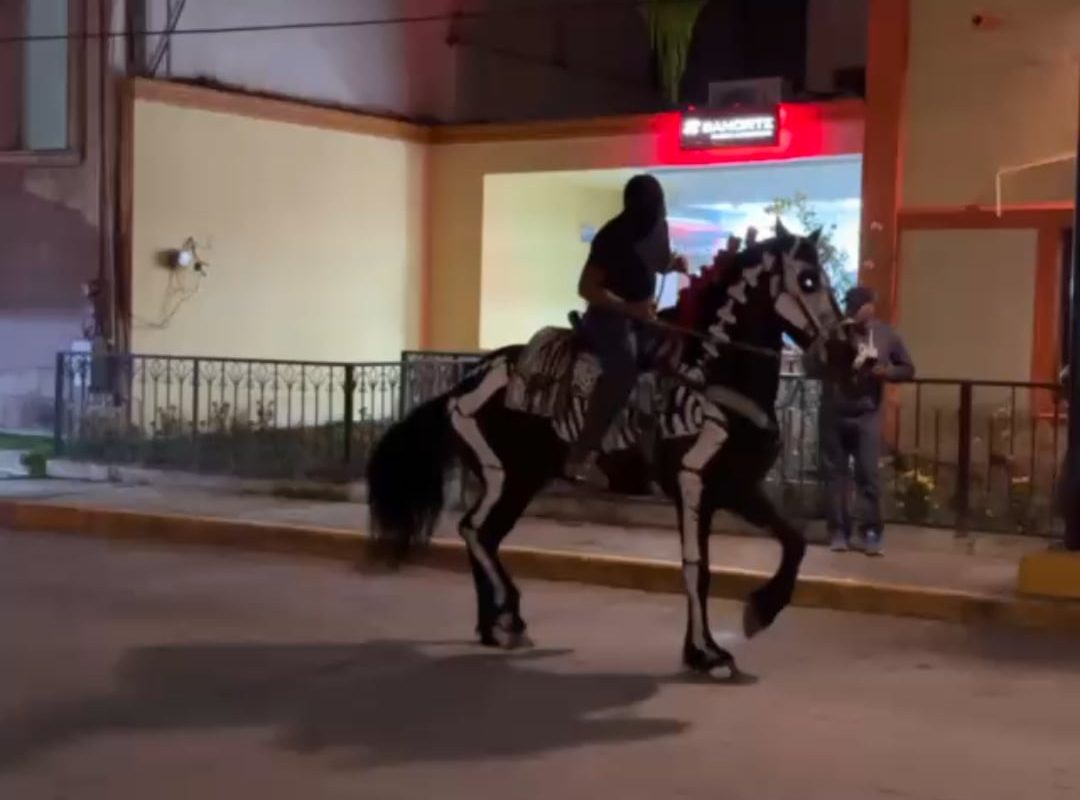
Horse skeleton “costume” for Día de muertos in Mexico
Title: The Skeletal Steed: Unveiling the Horse Skeleton “Costume” of Día de Muertos in Mexico
Meta Description: Discover the cultural significance, symbolism, and artistry behind Mexico’s iconic horse skeleton costumes used in Día de Muertos celebrations. Explore their origins and how they honor life and death.
Introduction: A Gallop Between Worlds
Día de Muertos (Day of the Dead) is one of Mexico’s most vibrant traditions, where families honor departed loved ones with altars, marigolds, sugar skulls, and elaborate skeletal imagery. Among the most intriguing symbols is the horse skeleton “costume”—a haunting yet playful representation of death’s timeless ride. This article explores the history, meaning, and artistry of these equestrian calaveras (skulls), revealing their role in Mexico’s celebration of life’s cyclical beauty.
Why Horses? Symbolism in Death and Folklore
Horses hold deep cultural resonance in Mexico, blending Indigenous and Spanish influences. In pre-Hispanic beliefs, animals like dogs guided souls to the afterlife. After colonization, horses—introduced by the Spanish—became symbols of nobility, freedom, and spiritual journeys. During Día de Muertos, skeletal horses embody dual themes:
- A Bridge to the Afterlife: They represent steeds carrying spirits back to the world of the living.
- Cultural Hybridity: Their imagery merges Mesoamerican reverence for death with European traditions.
La Catrina’s Steed: The Artistry Behind the Skeleton Horse
The modern horse skeleton costume traces its roots to José Guadalupe Posada, the early 20th-century artist behind La Calavera Catrina—an elegant skeletal woman satirizing elitism. Often depicted alongside a skeletal horse, Posada’s illustrations popularized the idea of death as an egalitarian force. Today, these horse skeletons appear in two main forms:
-
Wearable Costumes:
- Dancers and celebrants don horse skull masks or full-body skeletal suits, often paired with Catrina-inspired makeup.
- Materials like papier-mâché, wire, and fabric create lightweight, intricate designs.
-
Parade Puppets & Decorations:
- Giant alebrijes (fantastical paper creatures) and horse skeleton floats tower over festivals, like Mexico City’s grand Día de Muertos parade.
Creating Your Own Horse Skeleton Costume
Interested in embodying this tradition? Here’s how to pay homage respectfully:
DIY Guide:
- Mask Making: Use papier-mâché to mold a horse skull, accentuating hollow eyes and teeth. Paint with metallic hues or floral motifs.
- Full-Body Design: Attach skeletal ribs and limb bones to black clothing using felt or wire. Add LED lights for a haunting glow.
- Cultural Details: Pair with a Charro hat or Mexican textiles to honor heritage.
Tip: Avoid cultural appropriation by researching symbolism and supporting Mexican artisans.
Where to Buy:
- Seek authentic pieces from Mexican markets (e.g., Oaxaca’s Mercado de Artesanías).
- Online retailers like Etsy or MexicanCrafts offer handmade options.
Beyond the Costume: Horses in Día de Muertos Altars
Skeletal horses aren’t just for parades—they also appear on ofrendas (altars):
- Spirit Guides: Miniature horse figurines welcome souls with offerings of hay or pulque (fermented agave drink).
- Narrative Symbols: They recall stories of departed loved ones who cherished horses.
Shops in Mexico City’s La Merced Market sell horse skeleton toys and decorations for altars.
Respectful Celebration: Honoring Tradition
While Día de Muertos has global appeal, remember its sacred roots:
- Avoid “Mexican Halloween” Stereotypes: Skulls symbolize joyful remembrance, not horror.
- Support Local Artisans: Purchase costumes from Mexican creators to sustain cultural heritage.
Conclusion: Death’s Dance on Hooves
The horse skeleton costume is more than a striking visual—it’s a tribute to Mexico’s artistic genius and philosophical embrace of mortality. Whether as a wearable piece, parade giant, or altar figurine, it gallops through Día de Muertos as a reminder: death is not an end, but a reunion waiting to unfold.
Target Keywords: Día de Muertos horse skeleton costume, Mexican skeleton horse, Day of the Dead equestrian, Catrina caballo, Posada horse calavera
Image Suggestions:
- Close-up of a hand-painted horse skull mask.
- Parade float with a giant skeletal horse in Mexico City.
- DIY costume steps for wearable designs.
By blending history, symbolism, and practical tips, this article invites readers to appreciate Día de Muertos as a profound, living tradition—where even skeletal horses carry the pulse of life. 🐴💀🌺