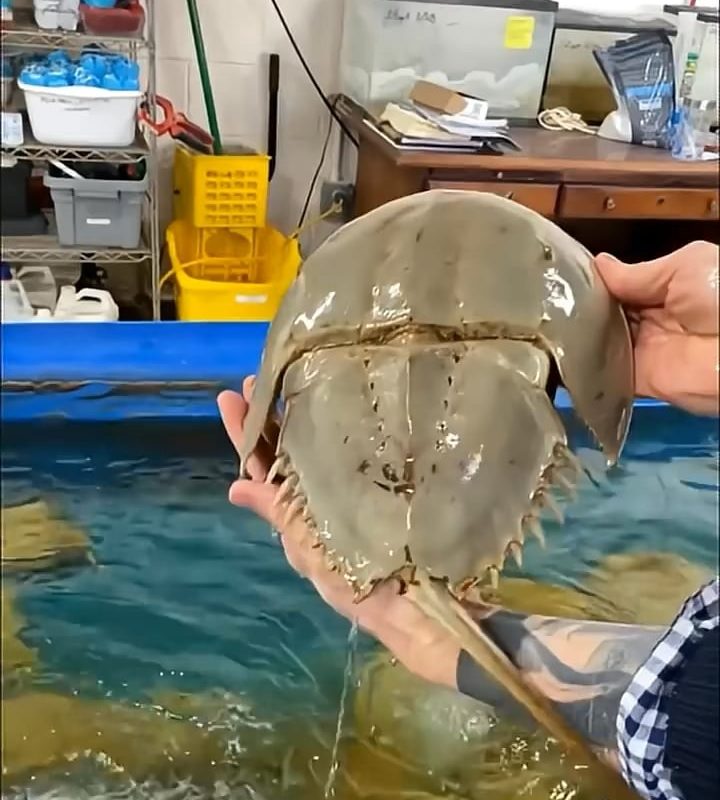
Horseshoe crabs are often called living fossils because they have remained almost unchanged for over 450 million years, appearing long before dinosaurs and surviving their extinction
Horseshoe Crabs: The 450-Million-Year Journey of Earth’s Ultimate Living Fossils
Meta Description: Explore the ancient lineage of horseshoe crabs, true living fossils unchanged for 450 million years. Learn how they outlived the dinosaurs and why they’re vital to ecosystems—and modern medicine.
Introduction: A Prehistoric Survivor in Our Modern World
Horseshoe crabs are often dubbed “living fossils“—a title reserved for species that have endured Earth’s most cataclysmic events while remaining virtually unchanged for hundreds of millions of years. These marine arthropods predate dinosaurs by over 200 million years, surviving mass extinctions, shifting continents, and dramatic climate shifts. Today, they persist as a testament to evolutionary resilience, offering scientists a window into the distant past and playing a critical role in both ecosystems and human health.
Why Are Horseshoe Crabs Called “Living Fossils”?
The term “living fossil” refers to organisms that have retained their prehistoric body structure and behaviors over geological time scales. Horseshoe crabs (Limulidae) fit this definition perfectly:
- Timeless Anatomy: Modern horseshoe crabs closely resemble fossils from the Ordovician period (~450 million years ago). Their iconic helmet-like carapace, spiked tail (telson), and ten legs mirror those of ancient ancestors.
- Evolutionary Stasis: While other species diversified or went extinct, horseshoe crabs’ simple, efficient design—optimized for scavenging in shallow coastal waters—remained largely unaltered.
This biological consistency makes them a goldmine for researchers studying evolutionary biology, paleontology, and even immunology.
Ancient Origins: Pre-Dating Dinosaurs & Outlasting Their Demise
Horseshoe crabs emerged during the Paleozoic Era, long before the first dinosaurs walked the Earth (~230 million years ago). They thrived in waters teeming with now-extinct creatures like trilobites and sea scorpions. Remarkably, they survived events that wiped out 96% of marine life (Permian-Triassic extinction) and later, the asteroid impact that ended the reign of dinosaurs 66 million years ago.
Survival Secrets of a Living Fossil
How did these creatures endure when so many others vanished? Key adaptations include:
- Hardy Physiology: Their copper-based blue blood (more on this later) detects pathogens instantly, providing robust immunity.
- Versatile Diet: As opportunistic feeders, they consume worms, algae, and detritus, allowing them to thrive in diverse conditions.
- Breeding Resilience: Mass beach spawning events (up to 4,000 eggs per female) ensure genetic continuity despite predation and environmental fluctuations.
Horseshoe Crabs Today: Guardians of Ecosystems & Medicine
Far from being mere relics, horseshoe crabs play irreplaceable roles in modern ecosystems and human health:
Ecological Role
- Shoreline Engineers: Their eggs fuel migratory birds (e.g., red knots) during long-distance journeys.
- Bottom-Dwelling Cleaners: By burrowing into sediment, they aerate seabeds and recycle nutrients.
Biomedical Lifesavers
Their unique, bacteria-sensitive blue blood contains Limulus Amebocyte Lysate (LAL), used to test intravenous drugs, vaccines, and medical devices for endotoxins. This compound, derived solely from wild horseshoe crabs, ensures the sterility of every injectable medication—from COVID vaccines to insulin.
Conservation at a Crossroads
Despite their resilience, horseshoe crab populations now face unprecedented threats:
- Habitat Loss: Coastal development disrupts spawning beaches.
- Overharvesting: Millions are collected annually for bait and biomedical use.
- Climate Change: Rising sea levels and temperatures alter breeding habitats.
Conservation initiatives—like synthetic LAL alternatives, protected breeding zones, and blood harvesting with high survival rates—aim to safeguard these ancient mariners.
Conclusion: Protecting a Legacy
Horseshoe crabs are more than curiosities of natural history—they are living bridges to Earth’s primordial past and crucial allies in modern science. Their survival for 450 million years underscores their adaptability, but human intervention now holds the key to their future. By protecting these living fossils, we preserve ecological balance, medical advancements, and a profound connection to life’s enduring story.
Call to Action: Support horseshoe crab conservation through organizations like the Ecological Research & Development Group or by advocating for sustainable shore management in coastal regions. Together, we can ensure these ancient survivors thrive for millennia to come.
Image Alt-Text Suggestion: A horseshoe crab crawling on a sandy beach under twilight, its helmet-shaped shell and spiked tail visible.
Target Keywords:
- “horseshoe crab living fossil”
- “horseshoe crab evolution”
- “prehistoric marine animals”
- “horseshoe crab blood medical use”
- “conservation of living fossils”
By integrating science, history, and urgency, this article positions horseshoe crabs as both wonders of evolution and modern-day heroes—a narrative primed to engage readers and rank highly in SEO.