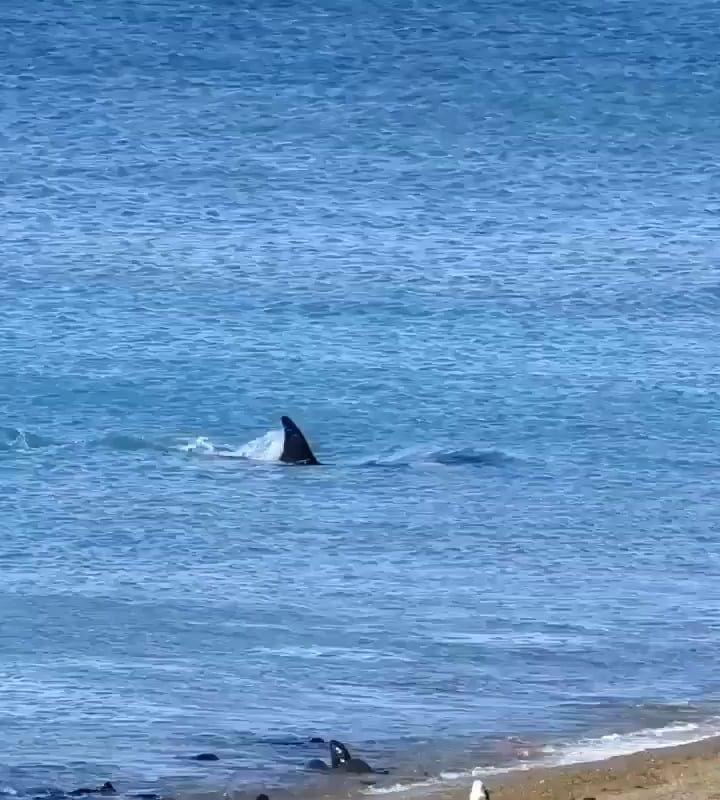
How an orca catches their food.
Masters of the Hunt: The Astonishing Techniques Orcas Use to Catch Their Food
Orcas, or killer whales, are apex predators of the ocean, renowned for their intelligence, strategic teamwork, and diverse hunting techniques. These marine mammals don’t just rely on strength—they employ cunning tactics passed down through generations, tailored to specific prey and environments. Let’s dive into the fascinating world of orca predation and uncover how these cetaceans dominate the food chain.
The Ultimate Team Players: Cooperative Hunting
Orcas live in matriarchal pods—tight-knit family groups that hunt together. Their success hinges on communication and collaboration. Pods use distinct vocalizations to coordinate attacks, surround prey, and execute precise maneuvers. This teamwork allows them to take down animals much larger than themselves, including whales, sharks, and seals.
Echolocation: Nature’s Sonar System
Before the hunt begins, orcas rely on echolocation to detect prey. By emitting clicks and interpreting returning echoes, they map their surroundings in pitch-black waters. This biological sonar detects fish hiding under sand, seals on ice floes, or squid in the depths. Once prey is located, the pod springs into action.
Signature Hunting Strategies by Prey Type
Orcas adapt their tactics based on their target. Different populations even develop cultural hunting techniques unique to their pod or region. Here’s how they tackle common prey:
1. Seals & Sea Lions: The Wave Wash Technique
In Antarctic waters, orcas target seals resting on ice floes. Working together, they swim in unison to create massive waves that wash the seal into the water. If the first wave fails, they repeat the process until the prey is vulnerable.
2. Herring & Fish: Carousel Feeding
Norwegian orcas herd schools of herring into tight balls near the surface using bubbles and tail slaps. They then stun the fish with powerful tail strikes (lobtailing) and consume them one by one. This mesmerizing “carousel” method showcases their precision.
3. Sea Lions: Intentional Beaching
In Argentina, orcas risk stranding themselves to snatch sea lions near shore. They time waves to surge onto beaches, grabbing pups before wriggling back into deeper water. Remarkably, adults teach this dangerous technique to juveniles.
4. Sharks: Liver Extraction
Off South Africa, orcas flip great white sharks upside down, inducing tonic immobility (a trance-like state). They then surgically extract the nutrient-rich liver, leaving the carcass. This behavior demonstrates their anatomical knowledge of prey.
5. Whales: The Exhaustion Game
When hunting massive baleen whales, pods target calves or weaker adults. They relentlessly pursue the whale, taking turns to block its escape, bite its fins, and force it underwater until it drowns from exhaustion.
Adaptability: The Key to Survival
Orcas are found in every ocean, from the Arctic to the tropics, thanks to their versatile hunting skills. Some populations specialize:
- Transient orcas (mammal-eaters) use stealth and silence to ambush seals.
- Resident orcas (fish-eaters) rely on vocal coordination to trap salmon.
- Offshore orcas hunt sharks and deep-sea fish in open waters.
Their ability to innovate—like using fish as bait for birds—proves their problem-solving intelligence. Studies even show pods sharing tactics across generations, with elders teaching calves intricate maneuvers.
Conclusion: Apex Predators of the Ocean
Orcas are unmatched hunters, combining brute force with sophisticated strategy. Their success lies in social bonds, communication, and an ancient mastery of the marine environment. By studying their techniques, we gain insight not only into their world but also into the delicate balance of ocean ecosystems they help regulate.
Whether launching seals off ice with waves or outsmarting sharks, orcas remind us that in nature’s realm, collaboration and adaptability reign supreme.