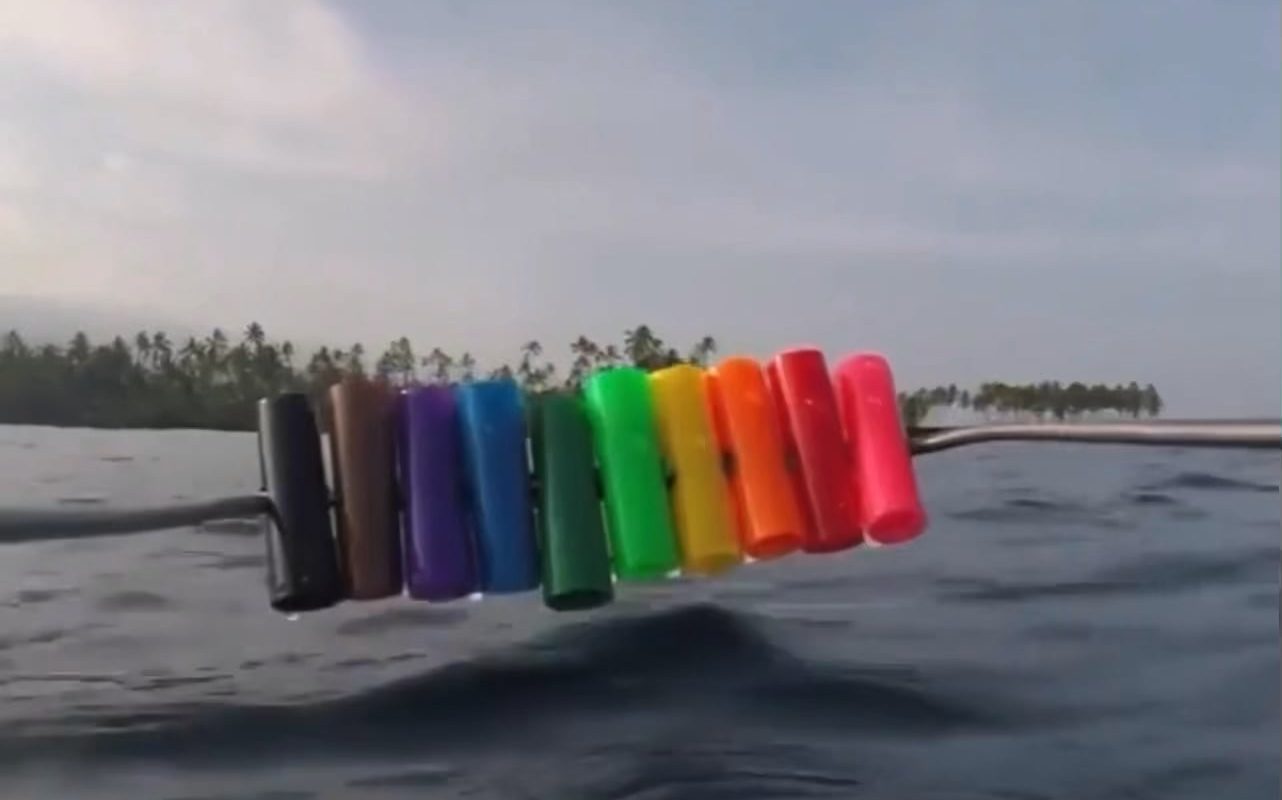
How different colors change as you go deeper underwater
Title: Why Colors Disappear Underwater: The Science of Light and Depth
Have you ever wondered why underwater photos look dull without flash, or why diving deeper feels like entering a monochrome world? The vibrant reds, oranges, and yellows of tropical fish vanish as you descend, leaving only cool blues and greens. This phenomenon isn’t just an illusion—it’s physics in action. Here’s how water transforms the colors you see as you dive deeper, and why understanding this matters to divers, photographers, and marine scientists.
The Science of Light Absorption in Water
Sunlight contains all colors of the visible spectrum (ROYGBIV). When light hits water, the water molecules act like a filter, selectively absorbing wavelengths at different depths. Shorter wavelengths (blues and greens) penetrate furthest, while longer wavelengths (reds, oranges, and yellows) are absorbed quickly.
Key Facts:
- Water is 800x denser than air, scattering light far more effectively.
- Depth controls color visibility: Beyond shallow depths, water literally “sips” away colors from the spectrum.
A Color-by-Depth Breakdown: What Happens as You Descend?
Here’s how each color fades as you go deeper:
| Color | Depth of Disappearance | Why It Happens |
|---|---|---|
| [🔴 Red] | 5 meters (16 ft) | First to vanish—red wavelengths absorb fastest, turning red objects gray/black. |
| [🟠 Orange] | 10 meters (33 ft) | Fades shortly after red, leaving corals and fish muted. |
| [🟡 Yellow] | 20 meters (66 ft) | Dissipates next; yellow submarines or safety gear lose their pop. |
| [🟢 Green] | 30 meters (98 ft) | Dominates mid-depths but dims beyond 30m. |
| [🔵 Blue] | 60+ meters (200+ ft) | Last color visible; pure blue dominates the deep ocean. |
The Twilight Zone & Beyond
Below 200 meters (656 ft), darkness reigns. No natural sunlight penetrates here, leaving only bioluminescent creatures to light up the abyss in eerie blues, greens, and reds (which they produce chemically, not through sunlight).
Why Does This Matter?
- For Underwater Photographers/Videographers: Strobes or red filters are essential to restore true colors. Without artificial light, images lose warmth.
- Marine Life Adaptations: Many deep-sea creatures are red or black because those colors absorb blue light, making them invisible to predators in dim environments.
- Safety for Divers: Colors like red or orange on gauges or gear become indistinguishable at depth—learn to read instruments by markings, not hue.
Can Humans See Colors Deep Underwater?
Our eyes adjust poorly to low-light aquatic environments. Even with good visibility:
- Cones (color receptors) weaken in dim conditions, making rods (monochrome vision) dominant.
- Artificial light (dive torches) temporarily restores color, revealing hidden shades of reefs or wrecks.
FAQs: Quick Answers
Q: Why is the ocean blue from space?
A: Water absorbs red/orange/yellow light from the sun, reflecting/scattering blue wavelengths—giving Earth its “blue marble” appearance.
Q: Do fish see color underwater?
A: Yes! Many fish have specialized vision to detect blues/greens, while deep-sea species see bioluminescent reds invisible to us.
Q: Do freshwater and saltwater affect colors differently?
A: Yes—sediment in freshwater absorbs more light, reducing visibility faster than clearer saltwater.
Tips for Seeing True Colors Underwater
- Shallow Dives (<10m): Best for vibrant hues—snorkelers see the most color variety.
- Use a Dive Light: Even in daylight, it combats loss of reds.
- Edit Photos: Add warmth post-dive via photo software to mimic surface tones.
Conclusion: A World of Hidden Hues
Underwater, color isn’t just fading—it’s revealing how light interacts with our planet’s most mysterious realm. Whether you’re a diver, artist, or science lover, understanding this process deepens appreciation for the ocean’s beauty and the stealthy adaptations of its inhabitants.
Next time you dive, remember: beneath the blue lies a spectrum waiting to be uncovered—if you know how to look.
Target Keywords: underwater color absorption, ocean light penetration, diving depth and vision, why the ocean is blue, underwater photography tips.
Boost your underwater adventures with science! Share this guide with fellow divers and ocean enthusiasts. 🐠🌊